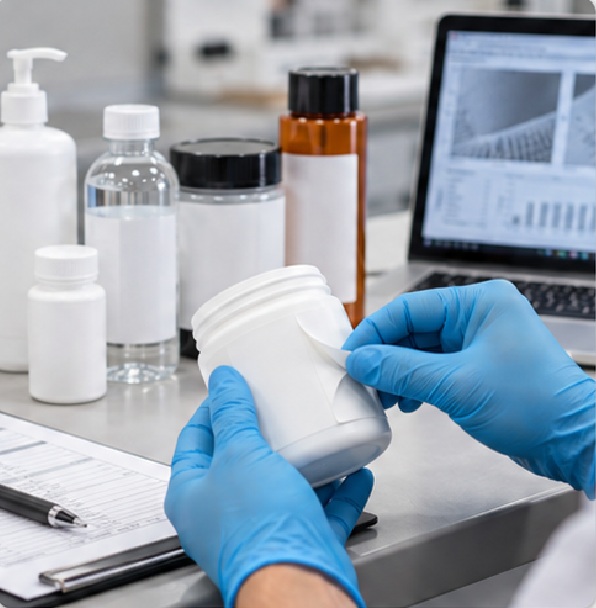
Solve edge lifting and label release by matching the surface, adhesive, facestock, geometry, application temperature and real-use conditions before production.
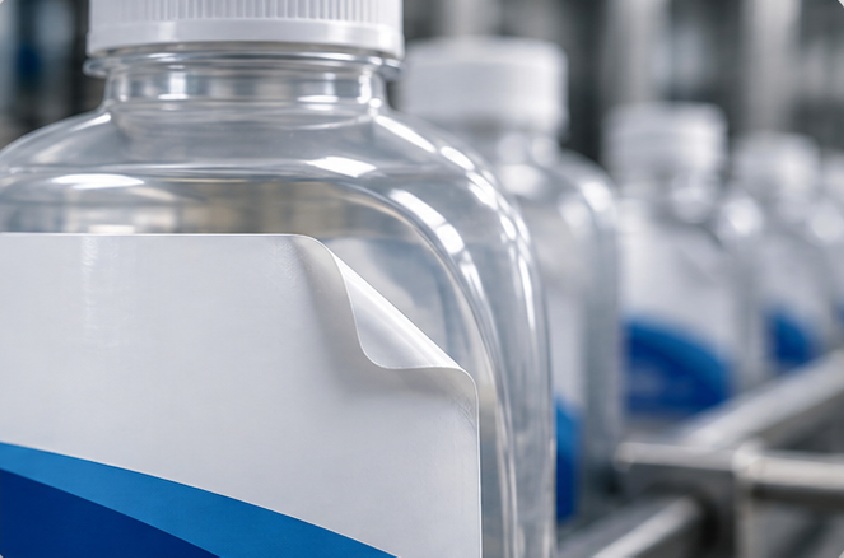
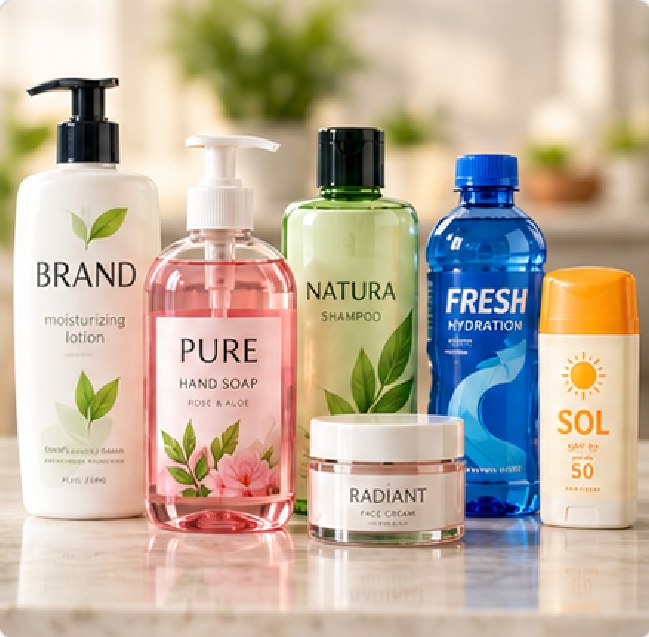

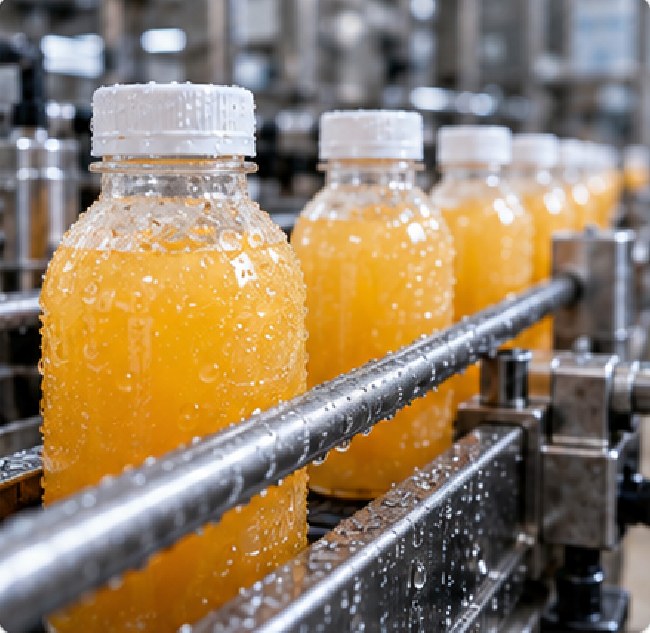
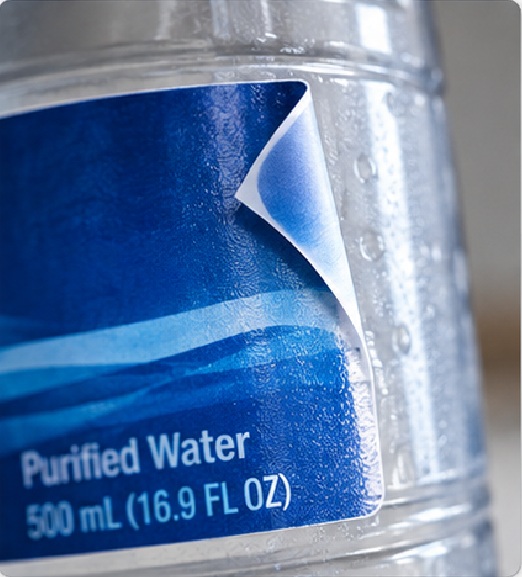
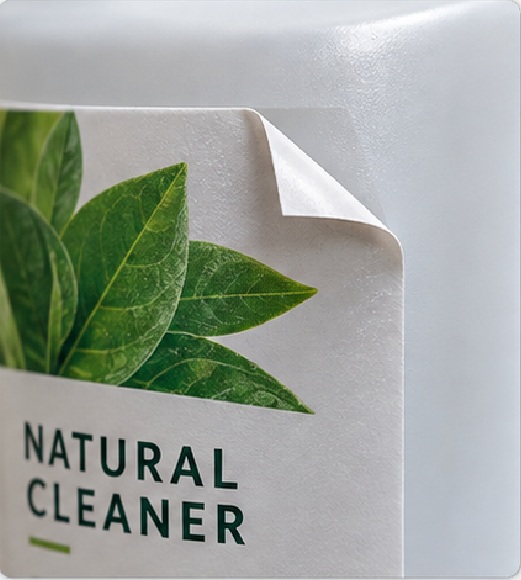
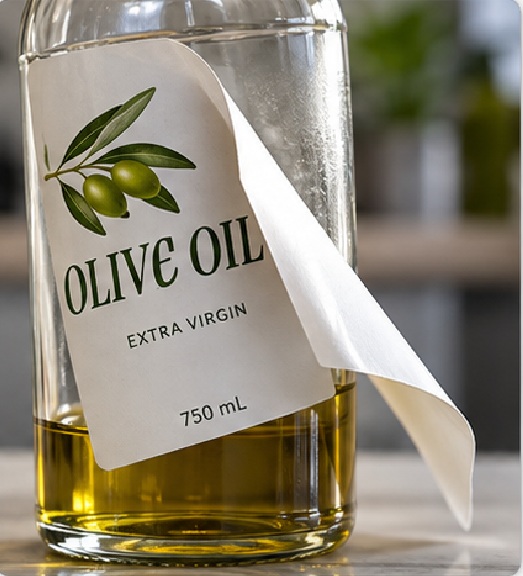
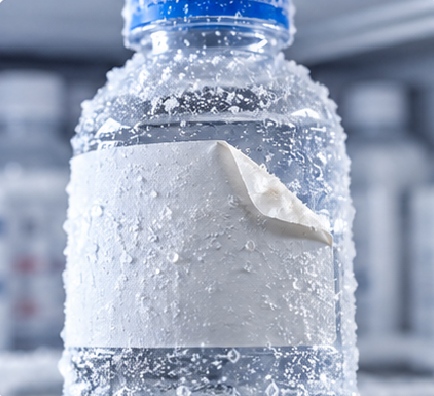
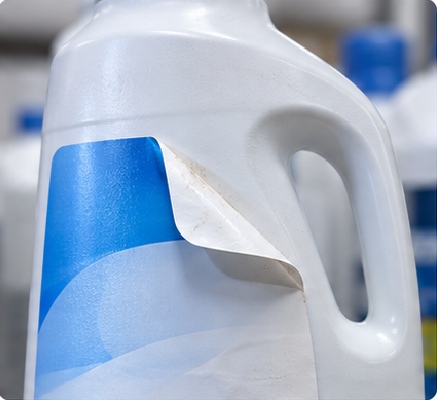
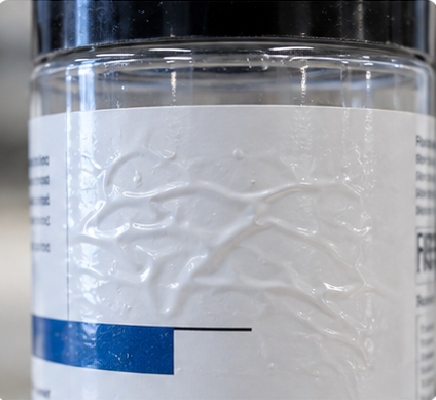
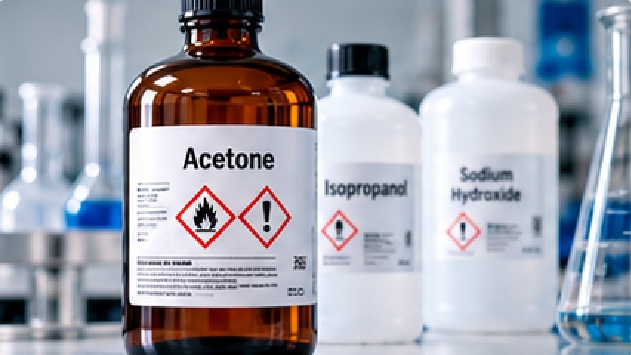
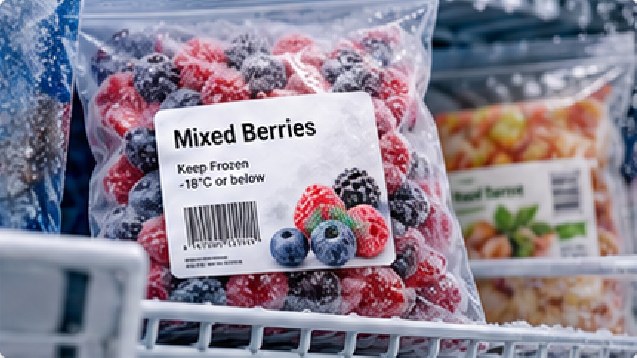
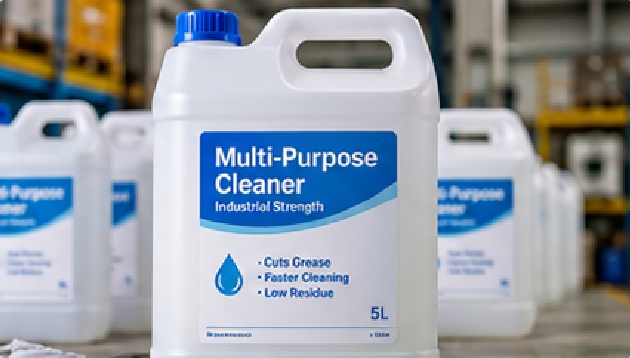
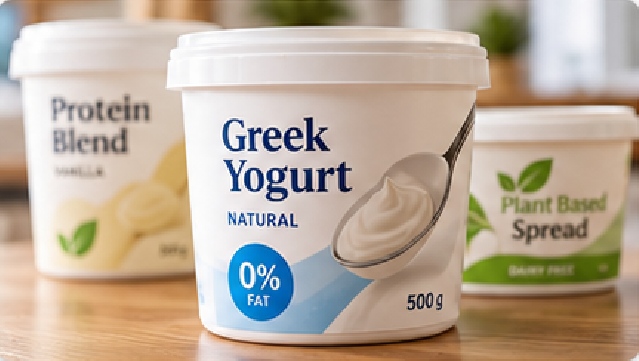

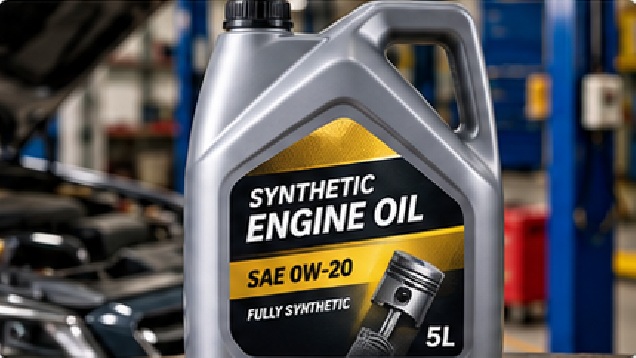
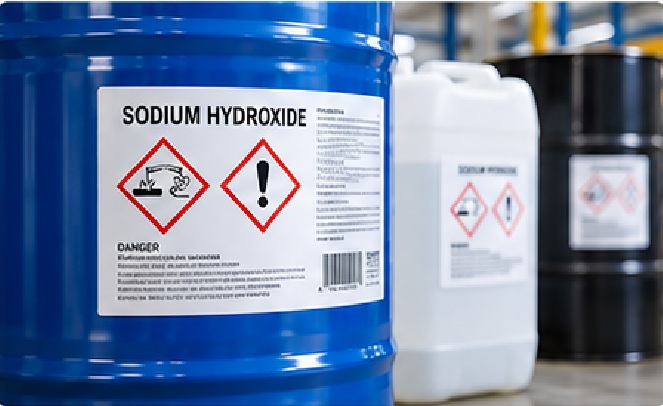
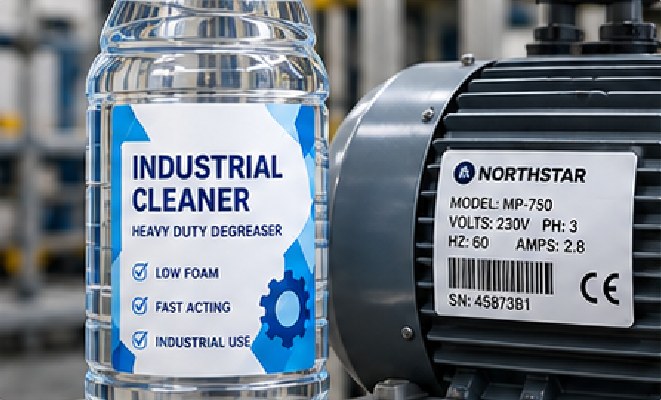
Use the failure pattern as a starting point, not a final diagnosis. Philiton compares symptoms with the surface, label construction, environment and application before approving a correction.
| Visible Failure | Possible Variables | First Check | Possible Change | Verification |
|---|---|---|---|---|
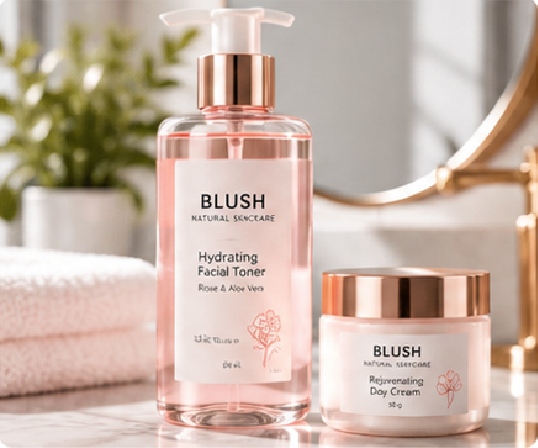
| Edge lifting on curved bottle | Small radius, stiff facestock, insufficient tack, label too wide | Container radius, label dimensions, facestock flexibility | More conformable film, geometry adjustment, higher-hold adhesive | Apply to actual bottle and monitor edge hold |
| Label releases from PP/HDPE | Low surface energy, texture, contamination, wrong adhesive | Exact resin/surface, cleanliness, molding texture | LSE-oriented high-tack adhesive, flexible film | Actual-surface adhesion trial |
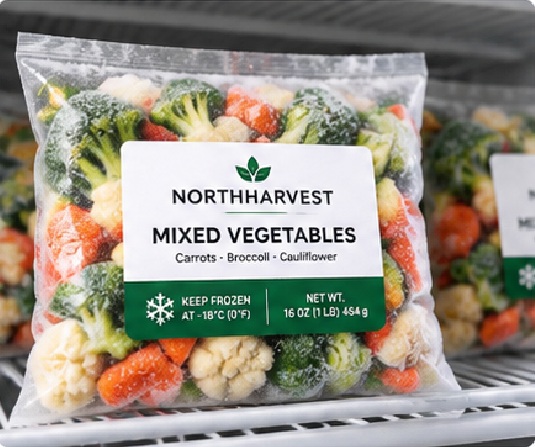
| Peeling after refrigeration | Low application temperature, condensation, wrong cold adhesive | Labeling temperature, storage temperature, moisture | Low-temperature construction, dry application process | Cold application and storage trial |
| Peeling after oil exposure | Oil migration, unsuitable adhesive, weak print protection | Fluid type, contact route, HDPE/metal surface | Resistant film, matched adhesive, laminate/varnish | Oil exposure, rub and edge-lift test |
| Corners lift first | Sharp geometry, local stress, poor pressure | Corner shape, application pressure, surface contour | Rounded corners, size adjustment, tack review | Reapply with revised die line |
| Complete label releases early | Contamination, low initial tack, cold application | Surface cleanliness, pressure, time after application | Cleaning control, higher initial tack, application change | Bond development check over time |
| Bubbles or wrinkles | Trapped air, curvature, liner release, wet surface | Package shape, liner, pressure, application speed | Construction or application adjustment | Line trial or manual comparison |
| Failures only on production line | Wrong roll direction, gap, core, tension, applicator setup | Applicator specification and roll data | Correct roll specification and setup | Machine trial before mass release |
Application temperature describes the surface and environment when the label is first applied. Service temperature describes the temperatures reached after the adhesive has bonded. Confusing the two can create failures in chilled filling, freezer packaging and cold warehouses. An adhesive may perform at a low service temperature after proper bonding but fail when applied below its minimum application range. Pressure and dwell time also matter. Pressure-sensitive adhesive needs sufficient contact to flow into the microscopic surface profile. Hand application, automatic wipe-down systems and wrap stations can produce different contact pressure. Immediate freezing, washing or chemical exposure can interrupt bond development before the construction reaches its intended hold. Philiton therefore asks when the label is applied, how quickly the pack enters the next process, the expected storage range, whether condensation is present and whether labels are hand or machine applied. For automated lines, roll direction, core, roll diameter, gap, pitch, liner width and sensor requirements are added to the engineering review. A sample or line trial confirms more than material data alone.
Facestock affects conformability, moisture resistance, print protection and spring-back. Philiton selects the material family together with adhesive, surface and application conditions.
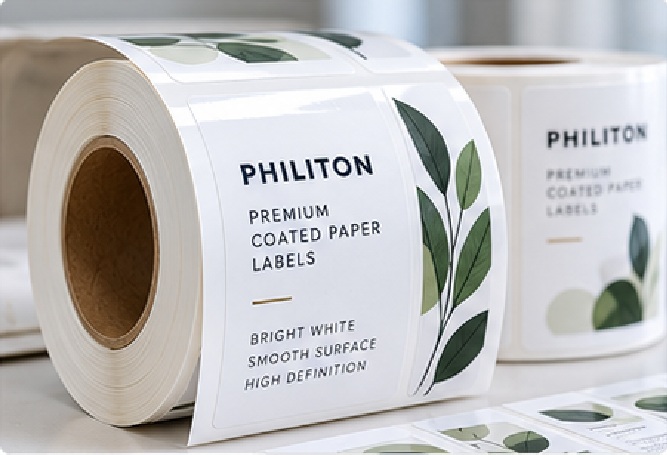
Coated paper is common for dry indoor packaging and cost-sensitive applications where moisture and abrasion are limited. It can print cleanly and support many decorative finishes, but paper is less forgiving around water, oil and repeated flexing unless protected. On curved containers, paper stiffness and label width require review. Philiton can pair coated paper with suitable permanent adhesive and protective varnish or laminate when the environment justifies it.
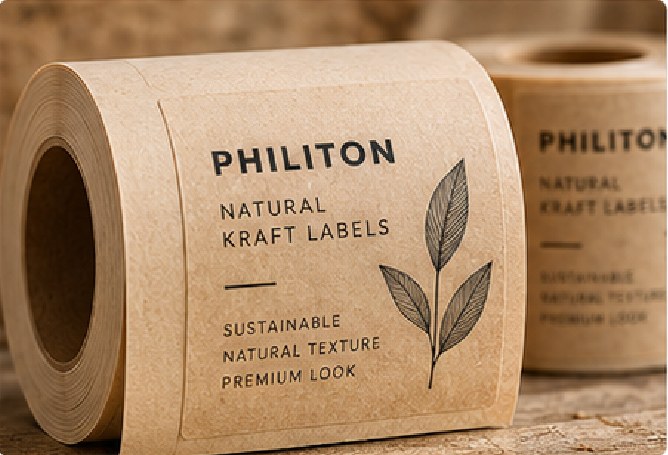
Uncoated, kraft and textured papers create a natural tactile appearance but absorb ink differently and can be more sensitive to moisture. Rough paper texture also changes print and finishing behavior. Philiton recommends real-stock sampling when fine text, foil, embossing or strict color appearance matters. Refrigerated, wet or oily applications need separate material and adhesive review rather than assuming a kraft appearance will also provide the required durability.
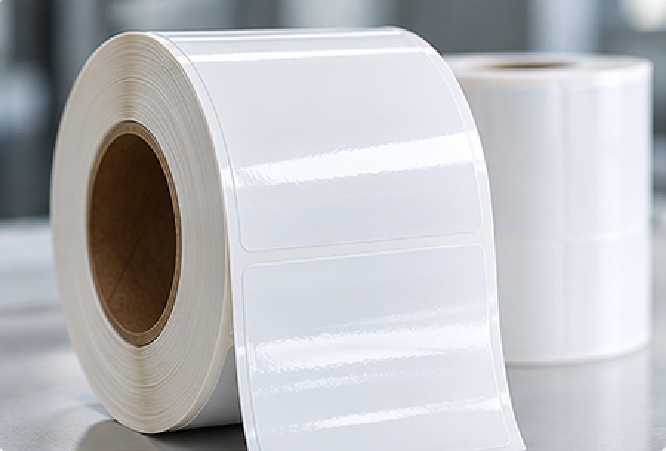
White BOPP is widely used for packaging where moisture resistance, clean graphics and a film surface are preferred. It can pair with permanent, LSE-oriented or other project-specific adhesives depending on the container. Flexible BOPP can also reduce spring-back on curved packages compared with stiffer materials. Philiton reviews bottle resin, radius, exposure, finishing and application process before approving the exact BOPP construction.
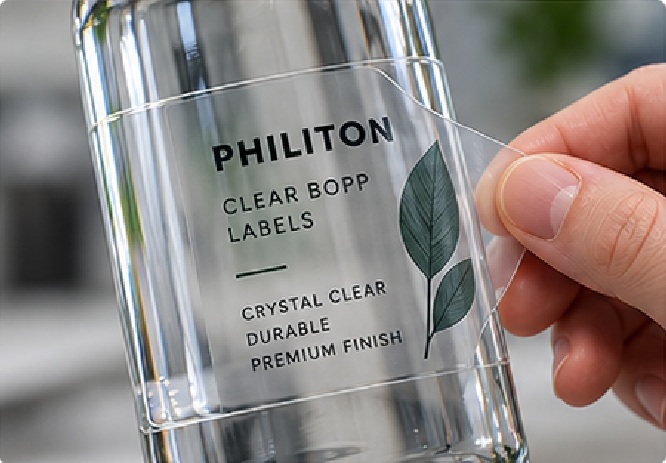
Clear BOPP supports transparent bottle graphics and no-label-look designs while providing better moisture tolerance than paper. The construction must control adhesive clarity, white ink, printing registration, dust and trapped air. Philiton can prepare clear film samples on the intended bottle and compare transparency, edge hold and print appearance. High-gloss packaging often reveals application defects more visibly, so clean packing and consistent application matter.
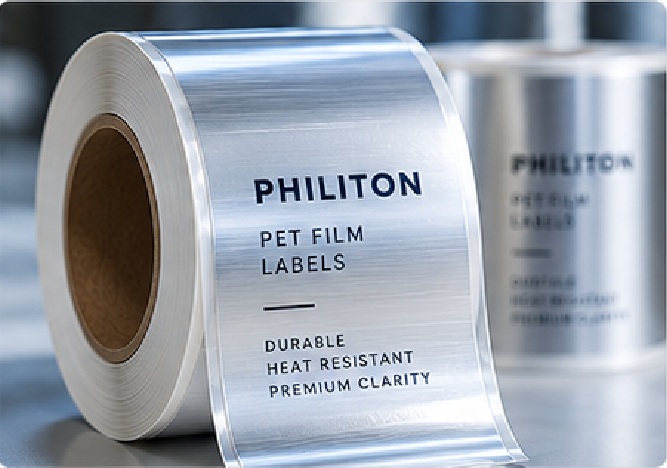
PET offers high dimensional stability and is useful for durable identification, clear labels, equipment labels, chemical applications and variable data. It is generally stiffer than very flexible PE, so small-diameter containers still need geometry review. Philiton can combine PET with permanent or high-performance adhesive and protective finishing. Final temperature, chemical and outdoor claims remain tied to the selected material code and project verification.
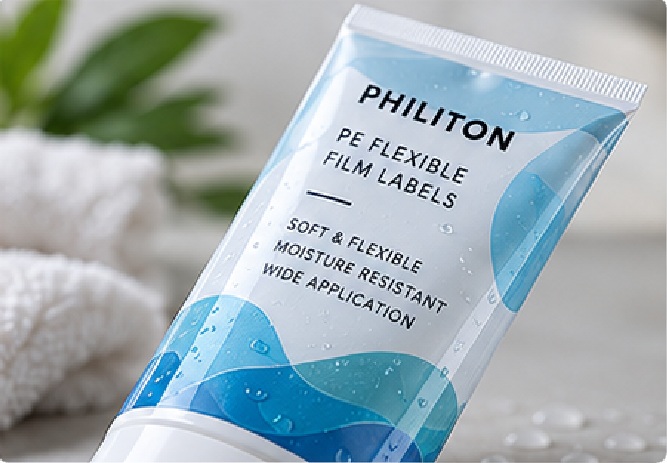
PE film is useful where the package squeezes, flexes or needs a more conformable label construction. It can move with LDPE or other flexible containers better than a rigid facestock. Philiton can evaluate flexible PE with LSE high-tack permanent adhesive for suitable plastic surfaces. Printing, die cutting, dispensing and liner behavior must also be considered because a very flexible facestock changes converting and automatic labeling performance.
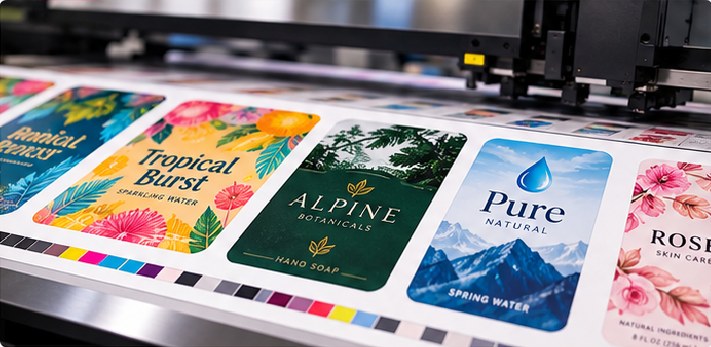
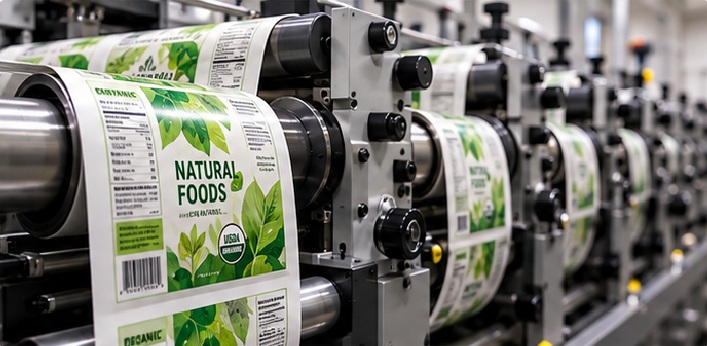
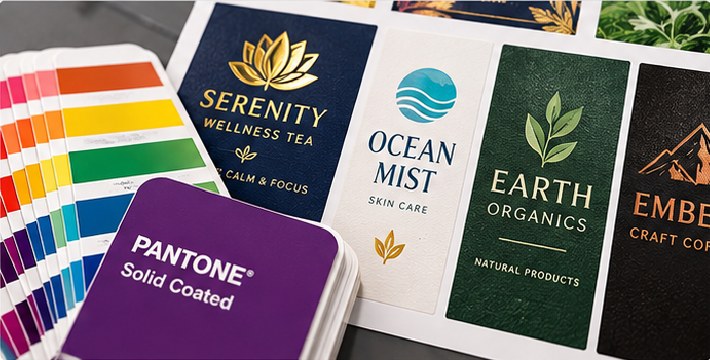
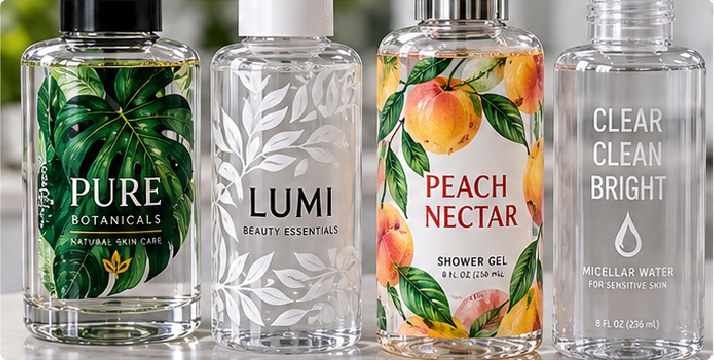
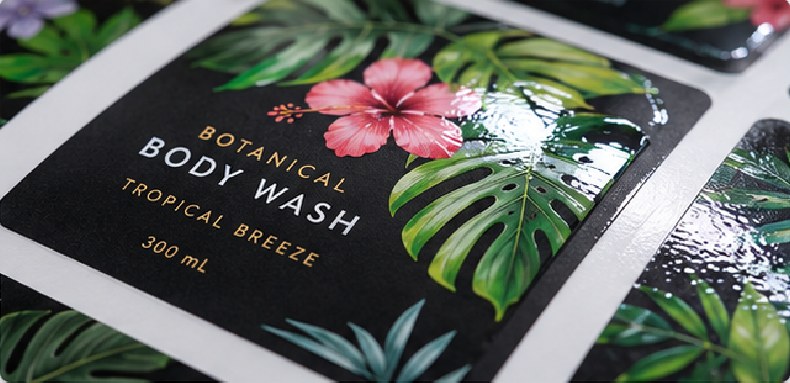
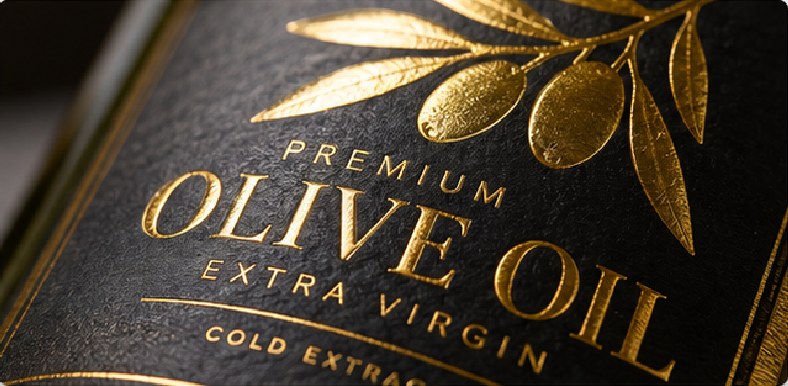
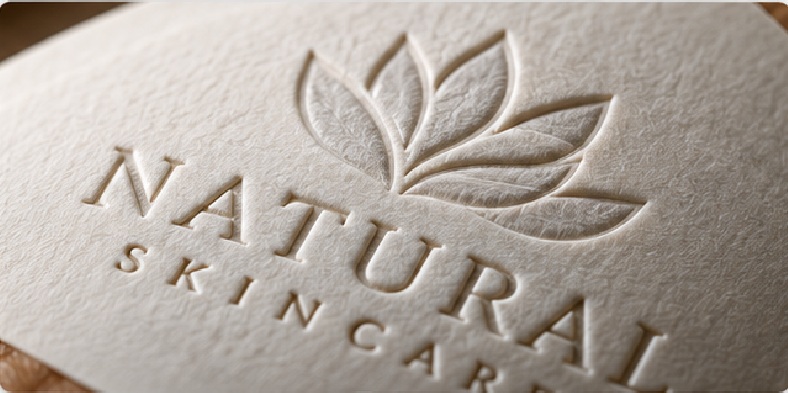
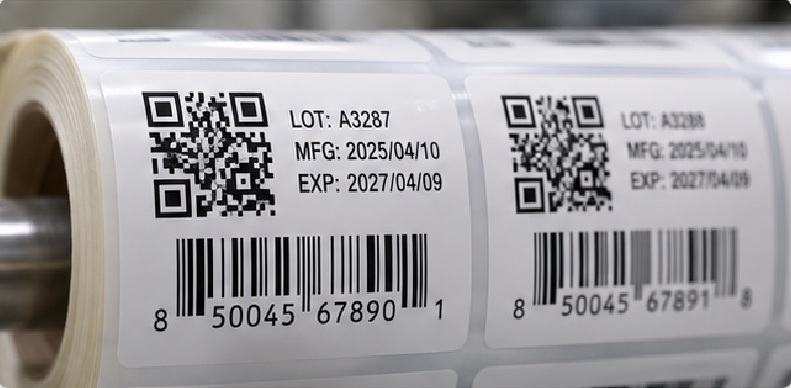
Philiton turns a peeling problem into a controlled specification through artwork review, material trials, physical samples and approval gates before production is released.
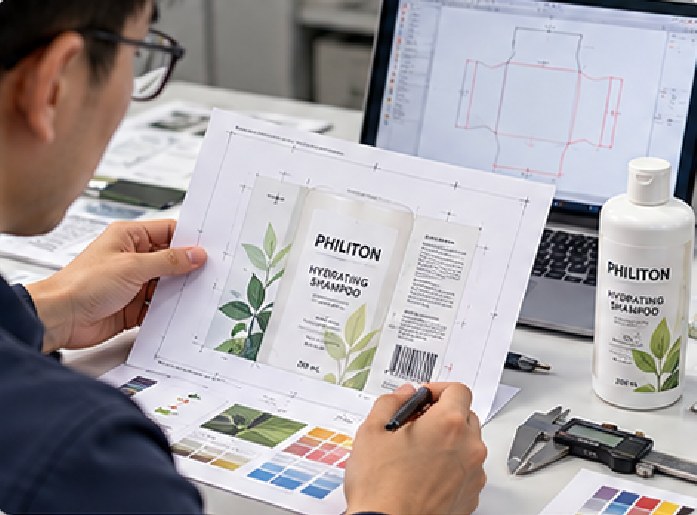
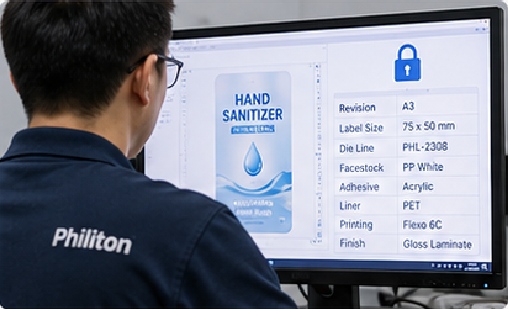
Development begins with the product, container and failure conditions, not artwork alone. Philiton reviews label dimensions, shape, bleed, safe area, white ink, barcode or QR placement, finishing zones and die line against the package geometry. For roll applications, unwind direction, inside or outside wound format, core, maximum roll diameter, gap, pitch, liner width, labels per roll and sensor marks are added when relevant.
If an existing label is peeling, photos of the failure, an unused roll, the container and any known material specification can shorten the investigation. The same graphic can behave differently when transferred from a flat carton to a small PP bottle or from a room-temperature pack to a freezer application. DFM therefore includes surface and environment inputs rather than checking only printability.
Minor artwork and layout revisions commonly remain separate from changes that require new physical tooling. A size change, die-line change, new foil plate, embossing plate, flexographic plate or special structure can add development cost and time. Philiton confirms the effect before the revised sample is produced.
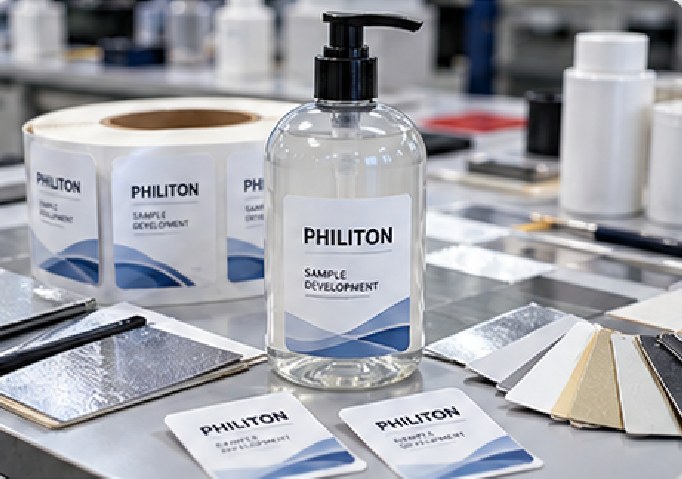
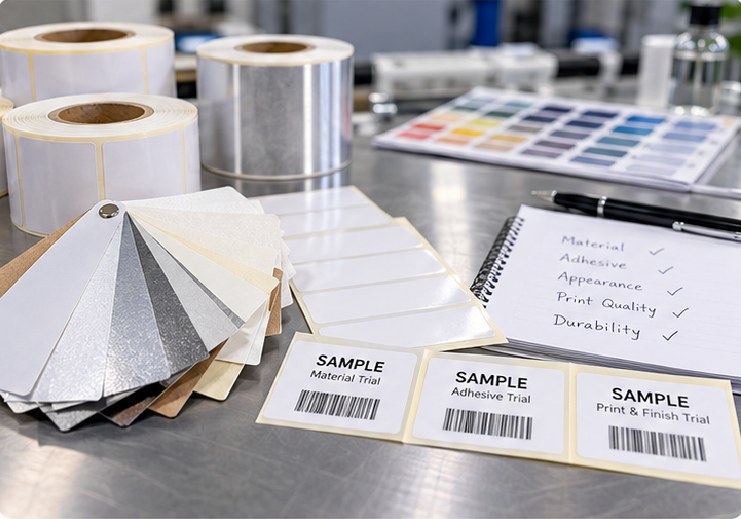
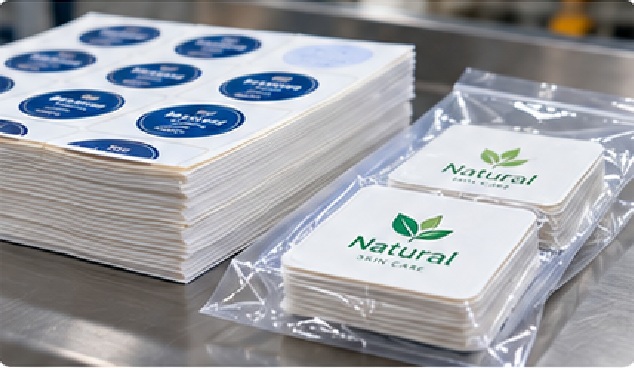
Philiton can begin with material swatches, blank adhesive trials, digitally printed samples or production-style samples depending on the risk. Standard digital printed samples are commonly supplied in small quantities, while application, line or durability testing may require more pieces. For many projects, around 10-50 pieces per design is enough for visual approval; 50-200 pieces may be more useful when several reviewers, application tests or environmental checks are involved.
Adhesive screening should use the actual container or a representative surface whenever possible. The trial can compare one or more constructions under the same preparation and application conditions. For cold, oil, chemical or flexible-package projects, the intended exposure is added to the trial plan. A stronger adhesive is not automatically selected if geometry, contamination, facestock stiffness or application pressure is the main cause.
Sample fees depend on material, size, print method, tooling and special finishing. Blank or swatch options can be low cost; dedicated tooling, foil, embossing, security structures or RFID can increase development cost. The quotation confirms the actual route.
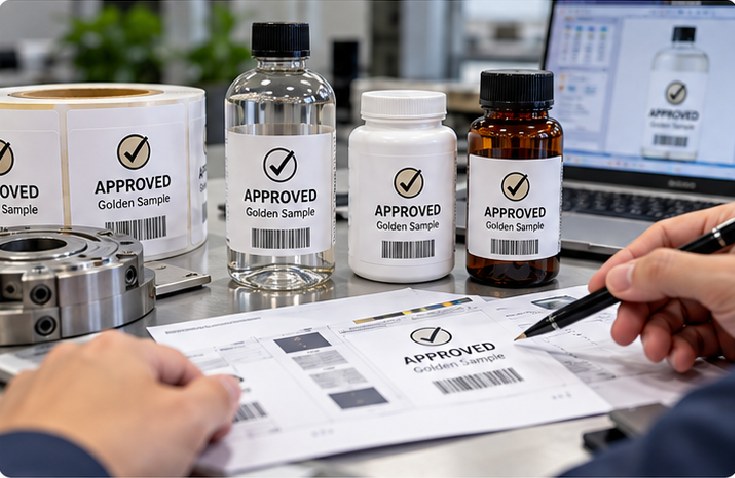
Mass production should not begin from a loose description such as “use waterproof film” or “make the glue stronger.” Philiton converts the approved route into a production specification covering material, adhesive, liner, artwork revision, die line, print method, finish, roll data, packing and quality points. Physical sample approval can be recorded together with PDF artwork, email or written confirmation according to the project workflow.
Complex finishing may require dedicated dies, flexographic plates, foil plates, embossing tools or other production tooling. Any change that affects those items is reviewed before production so cost and timing remain visible. For repeat, brand-color or technically sensitive programs, a Golden Sample can be retained as a physical reference for later batches.
Approved construction does not mean “never change again.” A new bottle resin, formula, storage route, applicator or destination-market requirement can justify revalidation. Repeat orders are reviewed against the previous specification rather than released blindly.
Start Sample Development
| Stage | Typical Timing | Typical Use | Important Condition |
|---|---|---|---|
| Material swatch / blank trial | Project-based | Surface feel or initial adhesion screening | Stock availability and required material family |
| Digital printed sample | About 1-3 business days | Fast visual and short-run proofing | Artwork and stock material confirmed |
| Standard finished sample | About 3-5 business days | Printed, die-cut label approval | Standard material and normal finishing |
| Complex finish sample | About 5-7 business days | Foil, emboss, special die cut, screen or special stock | Tooling and material availability |
| RFID / security / special structure sample | About 5-10 business days | Functional or security verification | Inlay, material, encoding or tooling requirements |
| Standard production | About 5-10 business days | Many standard confirmed label projects | Approved specification and required materials ready |
| Compatible rush production | About 2-5 business days | Urgent projects with available materials and mature process | Capacity and specification reviewed case by case |
| Unchanged repeat production | About 3-7 business days | Reorders with stable artwork, material and tooling | Materials available and no specification change |
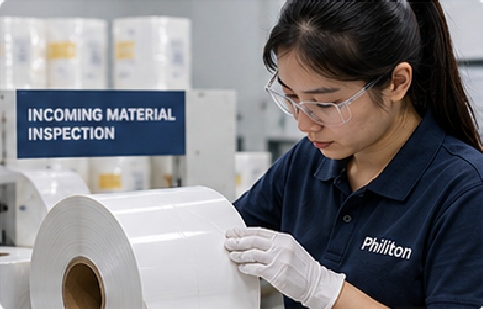
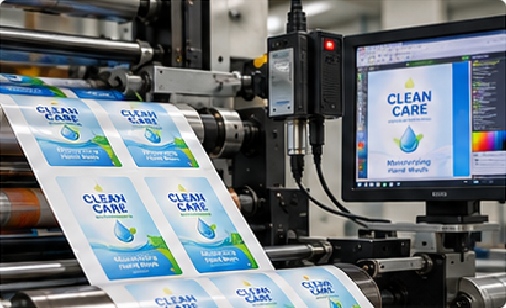
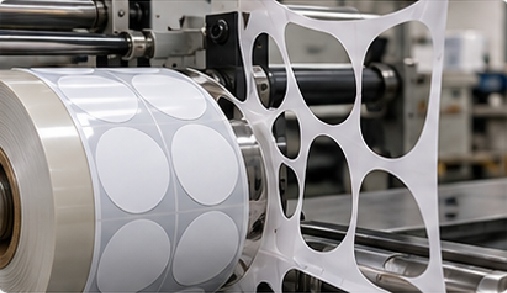
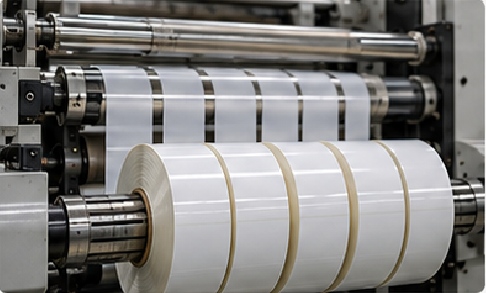
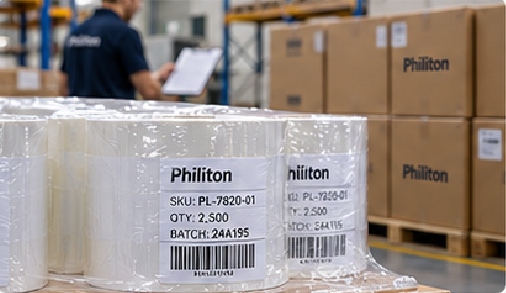
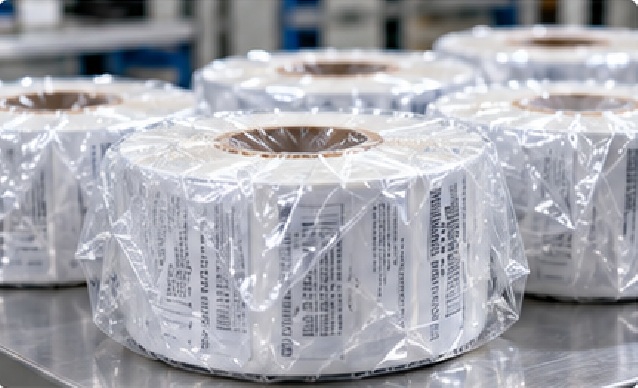
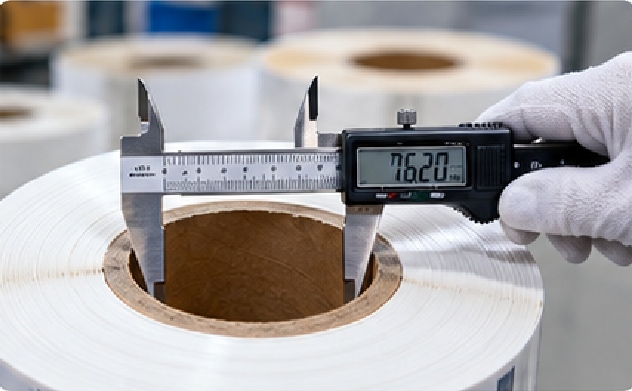
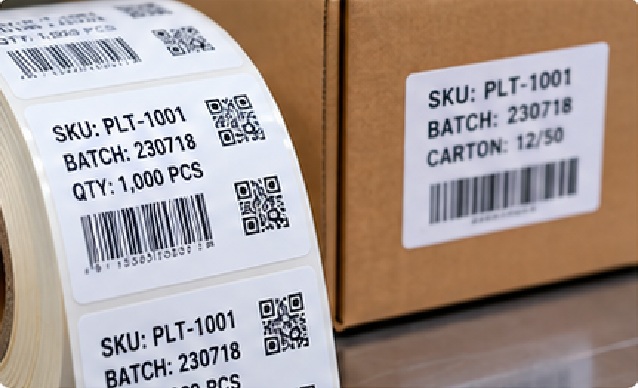
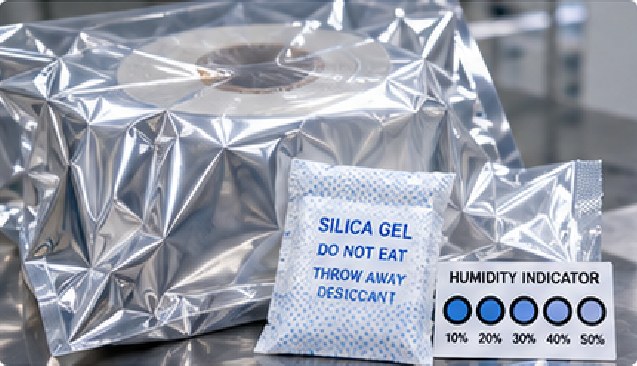
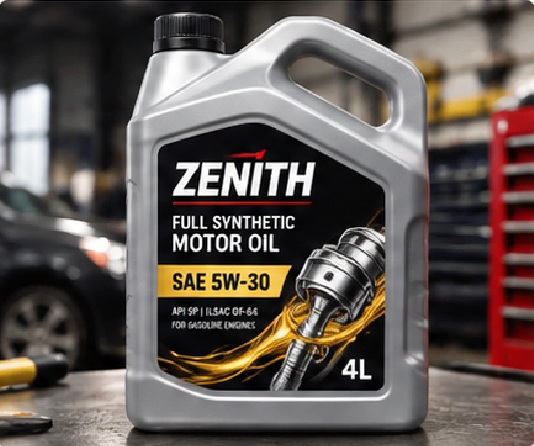
A useful adhesion review starts with evidence from the real package. Send the failed label, photos or current specification together with the conditions surrounding the failure. Philiton can compare the surface, geometry, material, adhesive, application method and environment before proposing a sample route. When a revised construction is needed, the same information can continue into artwork review, quotation, sampling, approval, production and QC without rebuilding the project from the beginning.
Please include:
Our team will answer your inquiries within 12 hours.
Your information will be kept strictly confidential.
We will contact you within 24 Hours, please pay attention to the email with the suffix“@philiton.com”.
For all inquiries, please feel free to reach out at:
We will contact you within 24 Hours, please pay attention to the email with the suffix“@philiton.com”.
For all inquiries, please feel free to reach out at:
We will contact you within 24 Hours, please pay attention to the email with the suffix“@philiton.com”.