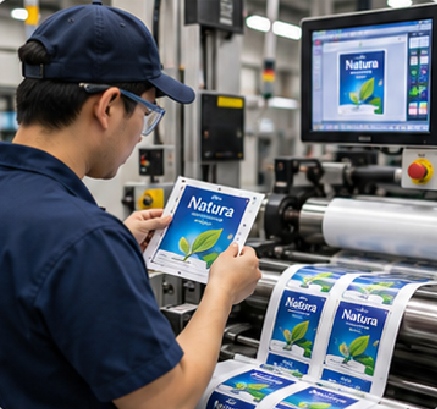
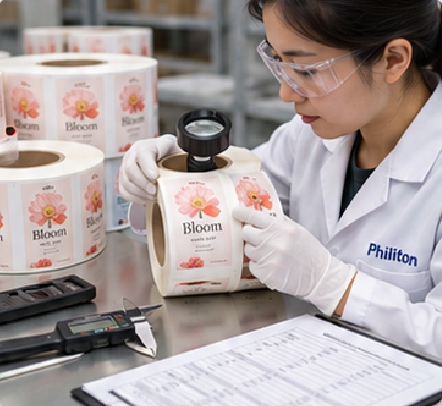
Custom label quality controlled from incoming material and approved artwork through production, testing, final inspection and shipment.
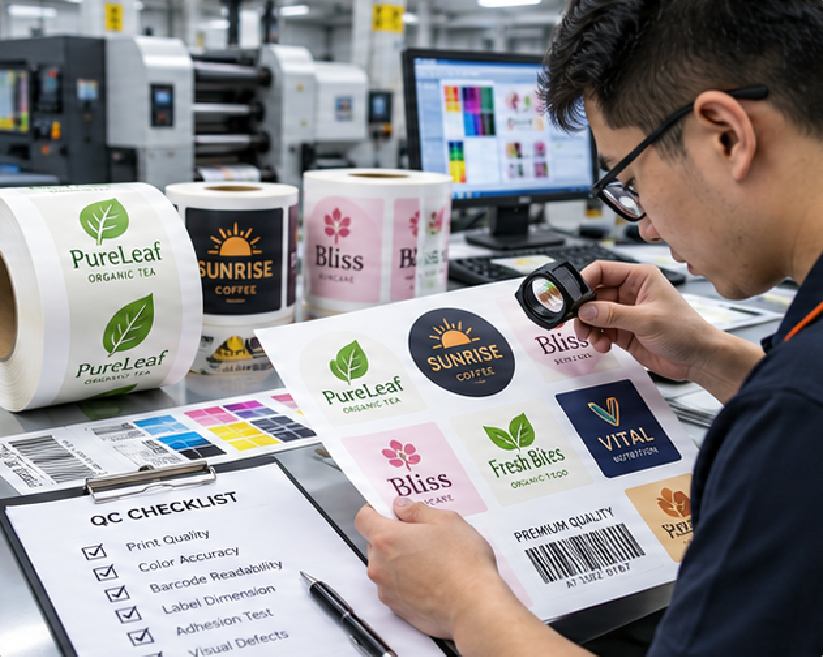
| Area | Quality Assurance Focus | Quality Control Focus |
|---|---|---|
| Artwork & revision | Defines approval flow, controlled files and revision responsibility | Confirms production uses the approved artwork and current revision |
| Materials | Defines approved material and supplier requirements | Checks received material identity, specification, batch and visible condition |
| Printing & converting | Defines process route and acceptance requirements | Checks first article, in-process print, finishing, die cut and roll condition |
| Final release | Defines release criteria and required records | Checks finished labels against approved specification before packing or shipment |

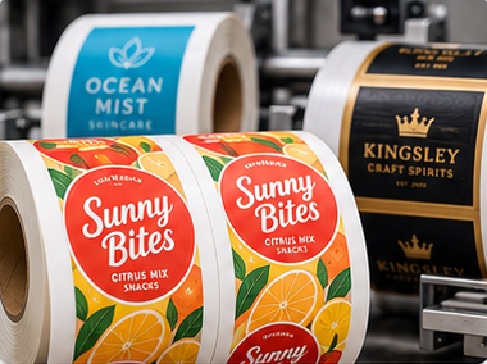



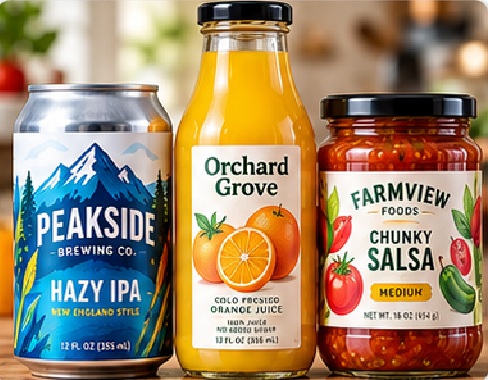
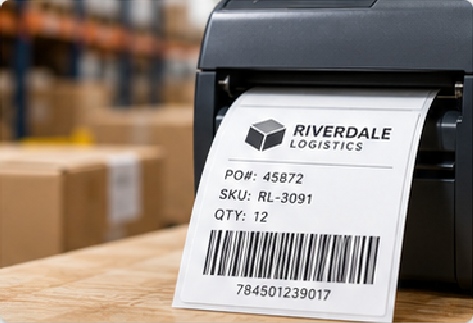

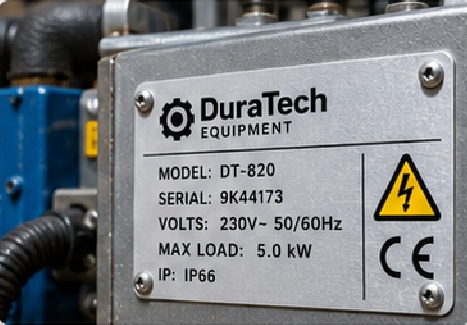
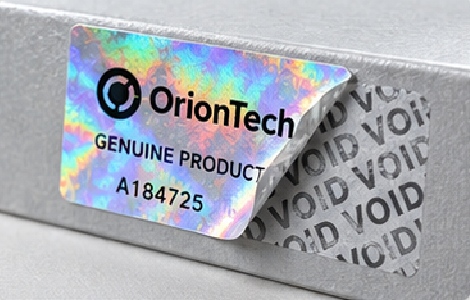

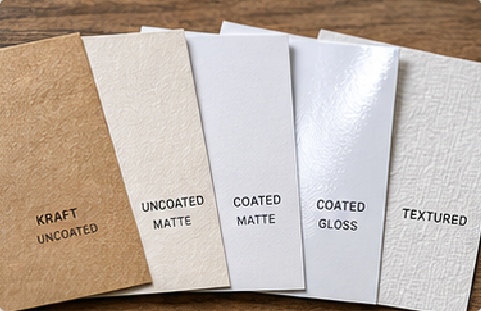
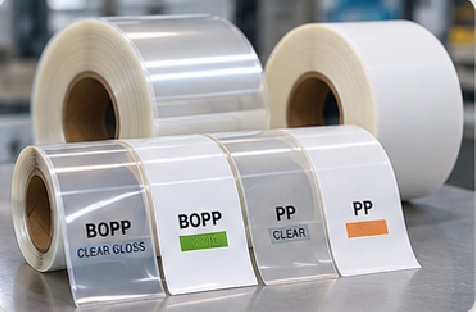
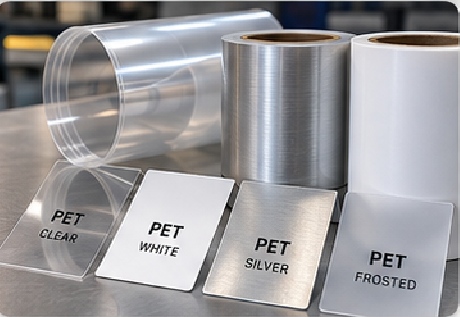
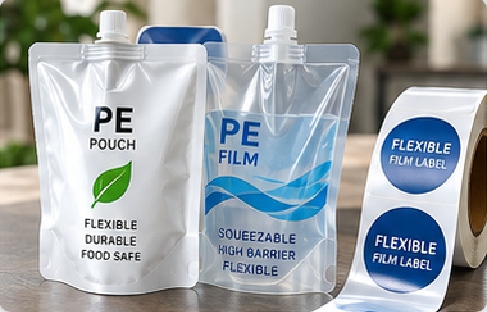
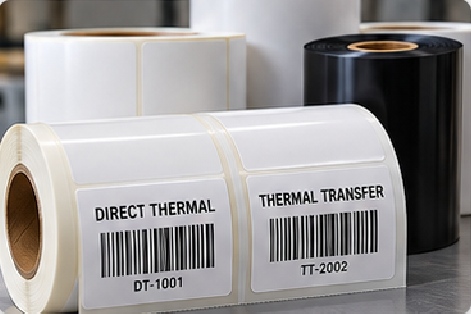
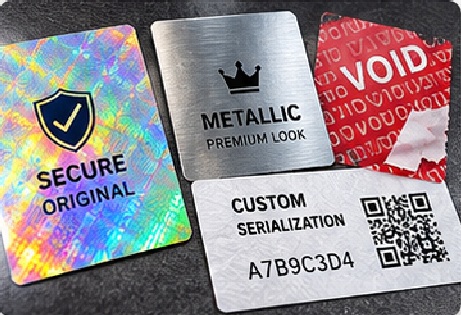
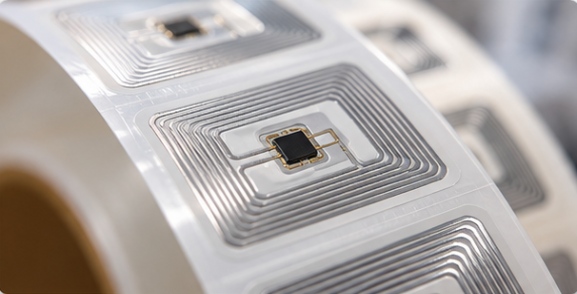
Philiton organizes inspection around four manufacturing gates, supported by 13 quality personnel, approximately 300 ㎡ of dedicated QC space and about 150 ㎡ of laboratory space for project verification.
Long production runs can reproduce one small setup error thousands of times. Philiton checks critical output during manufacturing, not only after the rolls are finished.
Final inspection compares completed labels with the approved requirement after printing, finishing and converting have all affected the finished construction.
Finished-label release starts with the approved artwork, specification, sample status and order requirements. Philiton can check appearance, text, color, dimensions, die-cut position, surface finishing, roll configuration, variable information, quantity and packing details according to the risks of the project. The final standard is the delivered label, not an isolated printed image.
| Quality Object | Typical Checks | Why It Matters |
|---|---|---|
| Artwork & text | Revision, content, fonts, small text, white ink, variable fields | Prevents obsolete or incorrect information from reaching production |
| Color & appearance | Brand color reference, visual consistency, contamination, print defects | Protects shelf consistency and recognizable brand presentation |
| Dimensions & die cut | Width, height, shape, cut position, liner condition, gap/pitch | Supports fit, dispensing and automatic application |
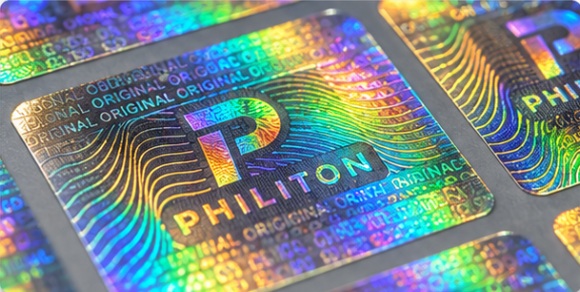
| Finishing | Lamination, varnish, foil, embossing, holographic or security effect | Confirms added processes did not introduce surface or registration defects |
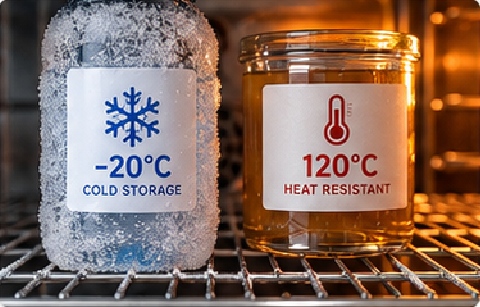
| Adhesive performance | Project sample, peel or adhesion-related checks where required | Reduces edge lift, drop-off or unsuitable bond behavior |
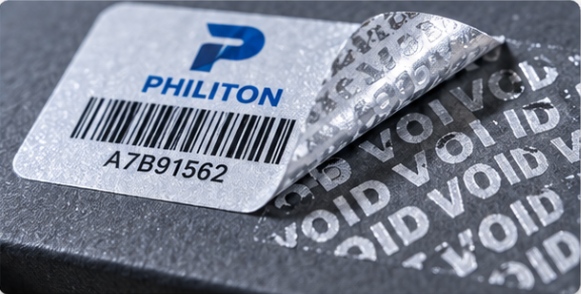
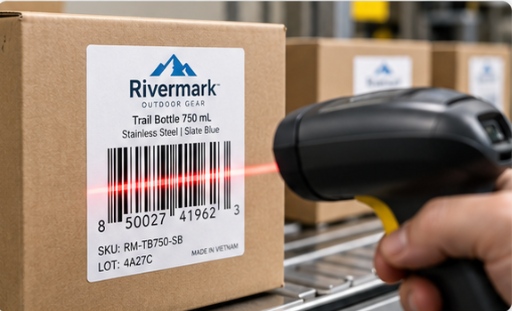
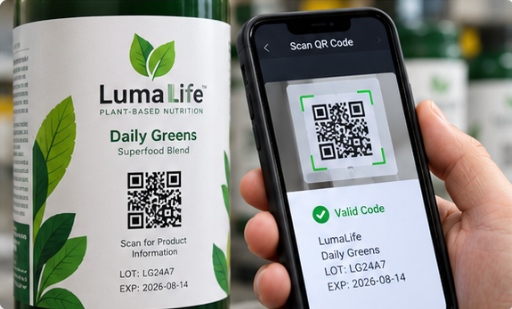
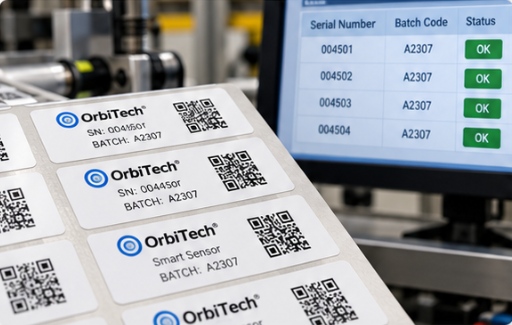
| Barcode / QR / data | Readability, contrast, sequence rules, duplicate or missing data checks | Protects retail, warehouse and traceability workflows |
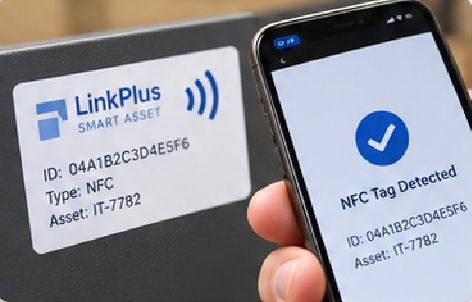
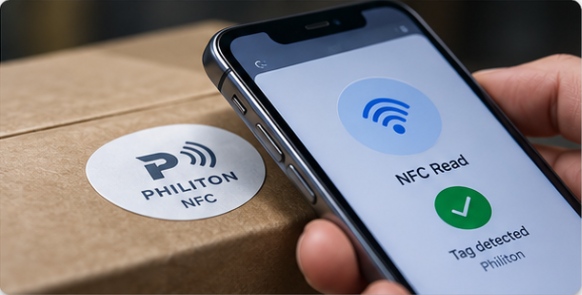
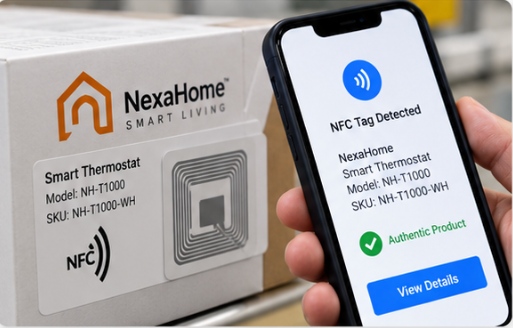
| RFID / NFC | Encoding, read status, visible-data matching where specified | Confirms electronic and printed identities remain aligned |
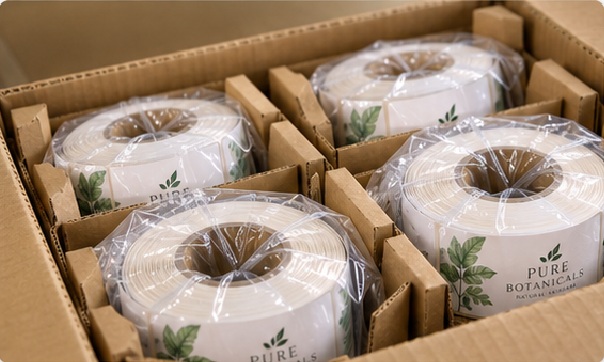
| Roll configuration | Winding direction, core, OD, web width, labels per roll, roll condition | Protects applicator compatibility and line efficiency |
| Packing | SKU, quantity, carton marking, moisture/crush protection and shipment identification | Prevents good labels from being delivered under the wrong receiving condition |





| Roll Parameter | What Is Controlled | Production Risk If Wrong |
| Winding direction | Artwork orientation and leading edge as the roll unwinds | Label enters applicator in the wrong orientation |
| Inside / outside wound | Labels face inward or outward according to machine requirement | Incorrect dispensing path or setup |
| Core diameter | Core size specified for the applicator or handling system | Roll does not fit the mandrel or unwinder |
| Maximum roll diameter | Finished OD within machine and packing limits | Roll cannot load or interferes with guarding |
| Gap and pitch | Repeat spacing between die-cut labels | Sensor detection and indexing become unstable |
| Liner width | Web width and edge margin around the label | Tracking, peeling and guiding problems |
| Labels per roll | Quantity per finished roll and roll-to-roll consistency | Frequent changeovers or inventory mismatch |
| Black marks / perforation | Position and format when equipment requires them | Sensor or handling function fails |
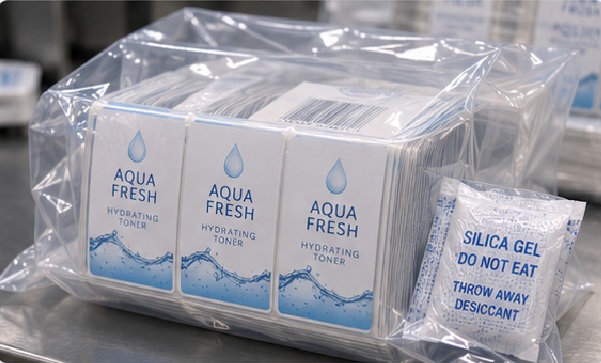
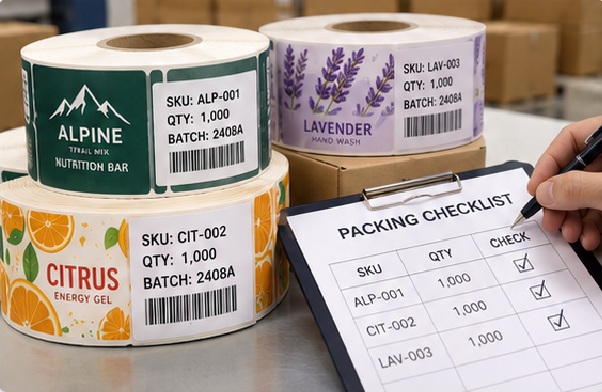
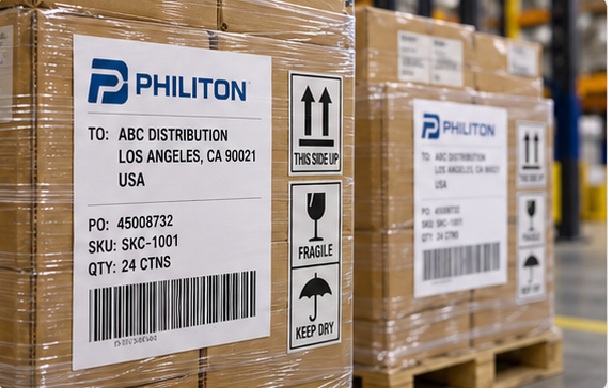
Repeat production is not released automatically simply because the SKU existed before. Philiton reviews the prior project information and checks whether artwork, material, adhesive, tooling, quantity, application, destination or required documentation has changed. When conditions remain the same and materials are available, retained references can improve consistency and reduce unnecessary redevelopment. When a significant condition changes, the process returns to engineering or sample verification instead of assuming the old construction is still suitable.

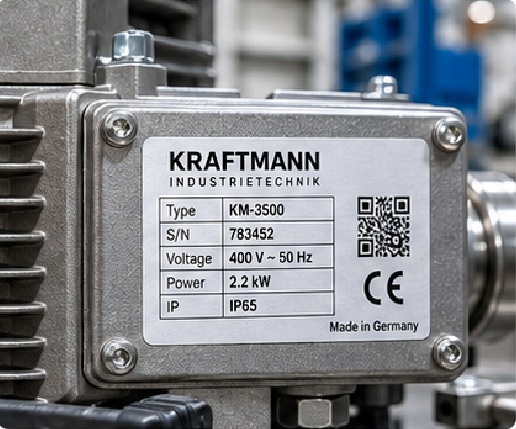
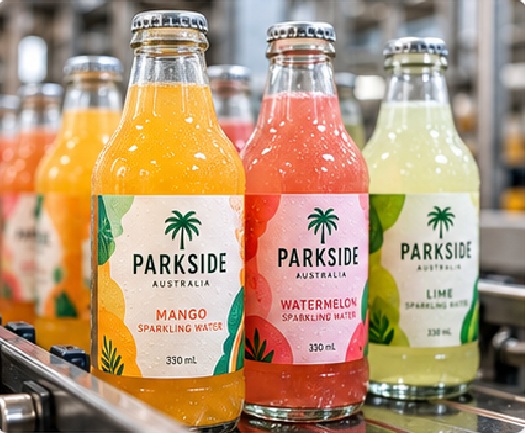
Inspection depends on the quality characteristic and project risk. Suitable roll projects may use 100% visual screening for defined visible defects, while dimensions, color, adhesion, environmental performance or RFID function may use measurement, sampling or functional verification. Philiton defines the inspection route from the approved specification rather than claiming that every characteristic on every order is automatically checked 100%.
Philiton links production to approved artwork, proof or sample status and project identification. Meaningful artwork changes should create a new controlled revision before release. Multi-SKU programs benefit from consistent project naming and approval records. Repeat orders are reviewed against previous files instead of being released automatically from memory or an old email attachment.
Philiton can work with Pantone references and physical color standards where appropriate. Final appearance is influenced by substrate, transparency, white ink, varnish, lamination and viewing conditions, so color-critical programs are best approved on the intended construction. The agreed reference then becomes part of the production and repeat-order comparison process.
Yes. Adhesive recommendations are based on the actual surface, surface energy, curvature, application temperature, service temperature, moisture, oil, chemicals and required lifetime. Samples on the real container or substrate provide the strongest basis for evaluation. Peel or other adhesion-related checks can be added when required by the project.
Philiton can review code size, contrast, quiet zones, placement and print quality, then verify readability according to the agreed requirement. Variable-data programs can also define uniqueness, sequence, missing-code and reprint controls. A single successful phone scan is not treated as a complete verification method for retail or industrial programs with defined barcode-quality requirements.
Philiton can support incoming inlay checks, encoding, serialization, read verification and visible-data matching when required. The selected frequency, chip or inlay, memory rules, finished construction and application environment must be defined first. Final performance can also depend on metal, liquid, reader location and installation position, so application testing remains important.
Common roll specifications include winding direction, inside or outside wound, core diameter, maximum roll diameter, gap, pitch, liner width, labels per roll, black marks, perforations and other applicator requirements. Philiton confirms the relevant parameters from the labeler or project specification before mass production and can include them in final or outgoing checks.
Project-specific documents can include approved artwork or specifications, material information, inspection records, test results or supplier documents where available and appropriate. Regulatory or certification evidence must match the actual material, scope and validity period. Philiton does not treat one material report or unverified certificate as proof that every label automatically meets every market requirement.
The review compares the approved artwork, specification, sample status and available QC records with photographs, batch information and application conditions. The team investigates whether the cause relates to printing, converting, material, adhesive, application, packing or transport. Affected material is separated from accepted product while the corrective route is evaluated according to the issue and agreement.
Yes. Large-company procurement and quality teams can send a supplier qualification checklist, inspection plan, quality agreement or document request for review. Philiton can organize the response by factory, material control, artwork control, production, inspection, testing, traceability, packing, complaints and project-specific documentation, while clearly identifying items that require external certificates or additional verification.
The fastest way to build a reliable custom label program is to define the quality requirement before materials, artwork and production routes are locked. Send Philiton the information your team already uses – even when it is incomplete. We can review the application, identify the quality characteristics that need control, separate visual inspection from functional testing, and confirm which records or external documents are needed for the project. If your organization already has a supplier manual, inspection plan or audit form, attach it at the RFQ stage so engineering, production and quality teams can work from the same standard. For a new program, basic inputs are enough to begin the review. Philiton can also compare an existing label, container or roll specification with the proposed construction so important changes are visible before approval. Where a requirement depends on a defined acceptance limit, testing method, certificate or third-party report, include it early so the quotation and sample route reflect the real quality work. Sampling and production timing are confirmed after the material, process, tooling and test requirements are clear.
Our team will answer your inquiries within 12 hours.
Your information will be kept strictly confidential.
We will contact you within 24 Hours, please pay attention to the email with the suffix“@philiton.com”.
For all inquiries, please feel free to reach out at:
We will contact you within 24 Hours, please pay attention to the email with the suffix“@philiton.com”.
For all inquiries, please feel free to reach out at:
We will contact you within 24 Hours, please pay attention to the email with the suffix“@philiton.com”.