Your Trusted Labels & Stickers Manufacturer from China!

Printing Technologies for Custom Labels Stickers

Match each label program to the right print route instead of forcing every SKU into one process.

Philiton combines digital, flexographic, letterpress, screen/UV, thermal, variable-data and specialty finishing routes across Shenzhen and Dongguan.
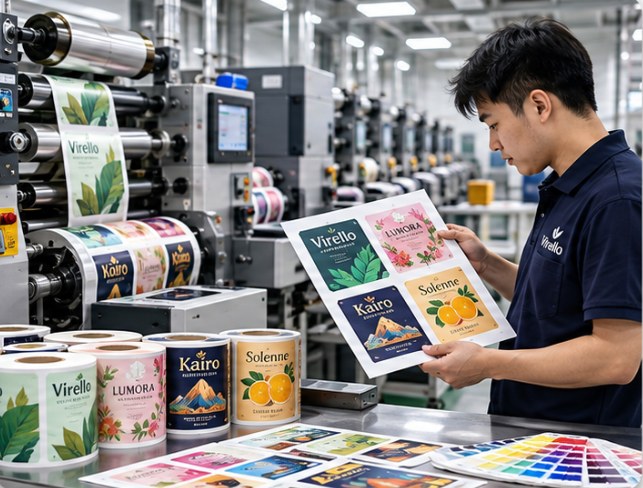
  • 12,000+ ㎡ integrated manufacturing footprint
  • 200+ employees, including 91 technical, production and quality professionals
  • Many standard programs start around 500 pcs per design or SKU
  • Digital samples typically take 1-3 working days; standard finished samples 3-5 working days
Printing Technologies for Custom Labels Stickers

Printing Support Built Around Different Operating Priorities

Philiton organizes printing decisions around how a label will be purchased, applied, repeated and controlled, not around a single press or a generic list of capabilities.

Established Consumer Brands

Established brands usually manage multiple SKUs, approved color standards, packaging revisions, launch calendars and repeat production. Philiton can separate short-run or frequently changing designs from stable high-volume programs, then assign the suitable production route. Artwork revision, material consistency, Pantone or spot-color targets, white ink, finishing, approved samples and repeat-order controls are handled as connected specifications rather than isolated requests.

Manufacturers And Contract Packers

Manufacturing teams often care about more than print appearance. Roll direction, core, maximum roll diameter, gap, pitch, liner width, sensor marks and application speed can determine whether labels run smoothly on a line. Philiton reviews the label together with the applicator requirements, material, adhesive, finished size and packing format so the printed roll arrives as a production input, not merely as a visually correct label.

Packaging And Print Partners

Packaging companies, agencies, distributors and print partners often need a manufacturing resource that can work behind an existing client relationship. Philiton can review artwork, materials, printing routes, finishing, samples, roll specifications and QC while keeping project files and channel requirements organized. Neutral or agreed packing, multi-SKU identification and direct shipment arrangements can be discussed according to the project and receiving requirements.

Growth And Multi-SKU Brands

Fast-growing brands frequently start with several designs at modest quantities and later discover that one production method no longer fits every SKU. Philiton can use digital printing for version flexibility, then reevaluate flexographic or other routes as stable SKUs grow. Shared dimensions, materials and finishes can also be reviewed together, reducing unnecessary setup while keeping each artwork, quantity and QC identity under separate control.

Label And Sticker Formats Produced Through Different Print Routes

Printing technology only makes sense when connected to the finished label format, application method and operating environment. Philiton supports a broad product mix across branding, packaging, identification and traceability.
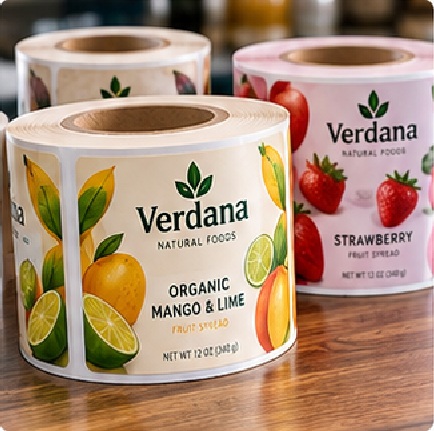
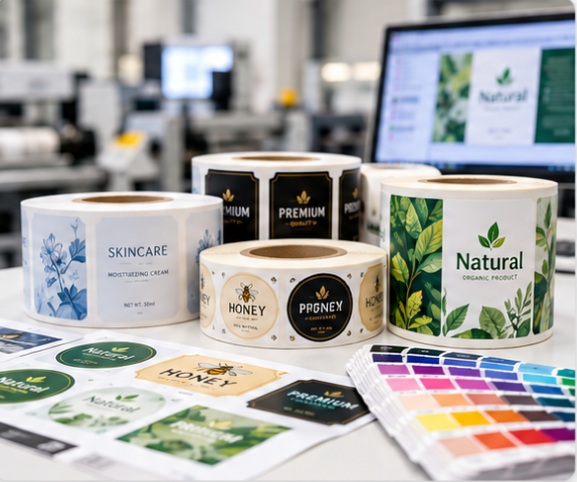
Custom Roll Labels

Custom Roll Labels

Roll labels suit hand, semi-automatic and automatic application. Philiton can control finished label size, winding direction, inside or outside wound construction, core requirements, liner width, gap, pitch, labels per roll and maximum roll diameter. Digital, flexographic, letterpress, thermal and variable-data routes can be considered depending on artwork, quantity, material, applicator requirements and repeat frequency.
Sheet labels work well for manual application, promotional packs, office use, sampling and programs where roll-machine specifications are unnecessary.

Sheet Labels

Sheet labels work well for manual application, promotional packs, office use, sampling and programs where roll-machine specifications are unnecessary. Digital and selected conventional routes can be evaluated according to quantity, sheet layout, material, die cutting and finishing. Sheet design should still account for peelability, trim, kiss-cut depth, label orientation and packing so operators can remove labels without damaging corners or adhesive edges.
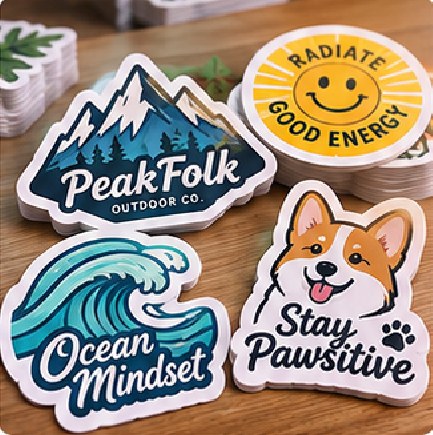
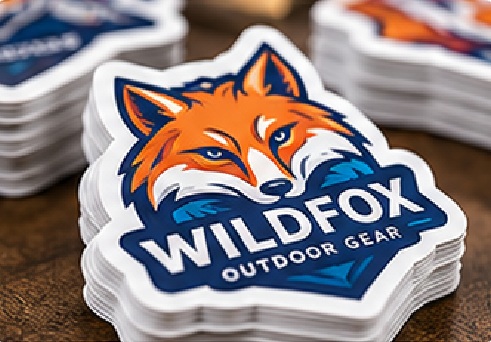
Individual or kiss-cut stickers can use paper, film, vinyl-type and specialty stocks with standard or custom contours. Philiton reviews artwork geometry, cutting route, minimum bridges, sharp corners, waste stripping and backing format before production. Short-run artwork changes often favor digital workflows, while repeat or larger programs may justify different printing and converting economics.

Die-Cut Stickers

Individual or kiss-cut stickers can use paper, film, vinyl-type and specialty stocks with standard or custom contours. Philiton reviews artwork geometry, cutting route, minimum bridges, sharp corners, waste stripping and backing format before production. Short-run artwork changes often favor digital workflows, while repeat or larger programs may justify different printing and converting economics. Protective laminate or varnish can be added when handling requires it.

Clear labels are used when packaging graphics should appear integrated with glass, PET or other containers. Printing is more complex than using a white substrate because white ink, transparency, reverse printing, adhesive clarity and container color can all affect the result. Philiton evaluates the image build, white layer, material, adhesive and finishing together so artwork is approved on the intended transparent construction rather than on a computer screen alone.
Clear Film Labels

Clear labels are used when packaging graphics should appear integrated with glass, PET or other containers. Printing is more complex than using a white substrate because white ink, transparency, reverse printing, adhesive clarity and container color can all affect the result. Philiton evaluates the image build, white layer, material, adhesive and finishing together so artwork is approved on the intended transparent construction rather than on a computer screen alone.

Coated, uncoated, kraft, textured and other paper stocks can create very different visual and tactile results. Ink absorption, surface texture, foil release, embossing response and moisture exposure influence the printing route. Philiton can use paper constructions for dry packaging, premium branding and cost-sensitive applications, while recommending testing or a film alternative when water, oil, abrasion or long outdoor exposure becomes a primary requirement.
Paper Product Labels

Coated, uncoated, kraft, textured and other paper stocks can create very different visual and tactile results. Ink absorption, surface texture, foil release, embossing response and moisture exposure influence the printing route. Philiton can use paper constructions for dry packaging, premium branding and cost-sensitive applications, while recommending testing or a film alternative when water, oil, abrasion or long outdoor exposure becomes a primary requirement.

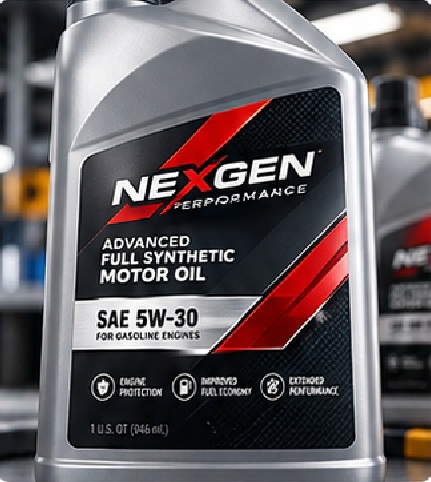
BOPP/PP, PET, PE, synthetic and related film stocks are commonly selected for moisture, oil, abrasion, clear-label or flexible-container requirements.

Film Product Labels

BOPP/PP, PET, PE, synthetic and related film stocks are commonly selected for moisture, oil, abrasion, clear-label or flexible-container requirements. Print adhesion and surface treatment must be considered with the ink and curing system. Philiton reviews material, adhesive, printing, lamination or varnish and the final product environment as one construction, because a durable face film alone does not guarantee durable printed graphics or reliable adhesion.
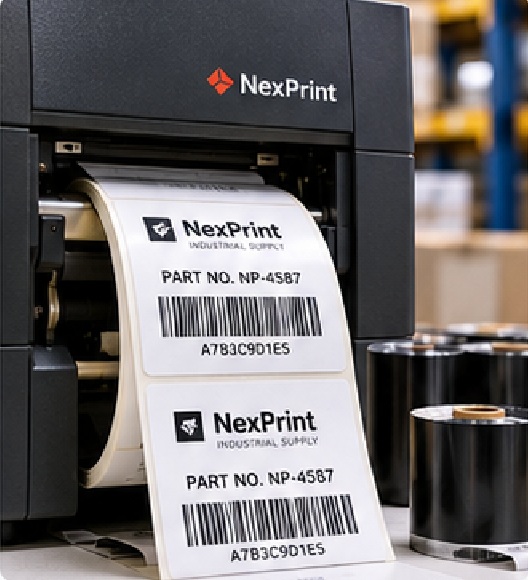
Thermal transfer labels are designed around a system: label material, ribbon and printer. Philiton can supply blank or preprinted labels with areas reserved for on-site variable information.

Thermal Transfer Labels

Thermal transfer labels are designed around a system: label material, ribbon and printer. Philiton can supply blank or preprinted labels with areas reserved for on-site variable information. Size, gap or black mark, roll direction, core, maximum roll diameter and printable topcoat must suit the printer. Wax, wax-resin or resin ribbon direction is evaluated according to substrate and durability requirements instead of being treated as a universal quality ranking.
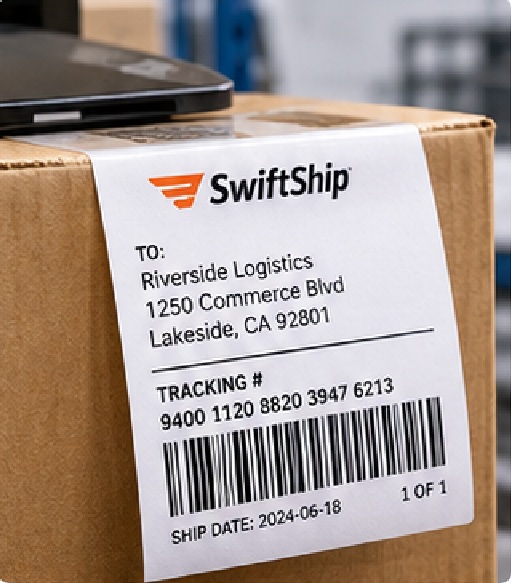
Direct thermal labels create images without a ribbon and are often used for shorter-life logistics, shipping, retail or warehouse information.

Direct Thermal Labels

Direct thermal labels create images without a ribbon and are often used for shorter-life logistics, shipping, retail or warehouse information. Heat, light, abrasion and chemical exposure can affect image stability, so service life and environment matter. Philiton can review direct-thermal stock, adhesive, roll configuration, barcode dimensions and packing together, especially when labels must run reliably through printers and remain readable through the required operational period.
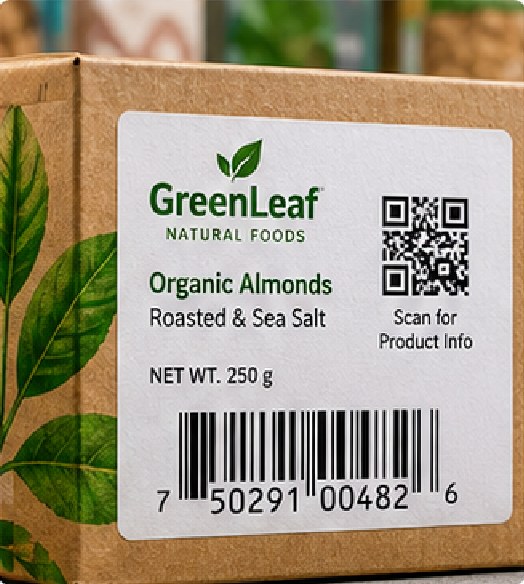
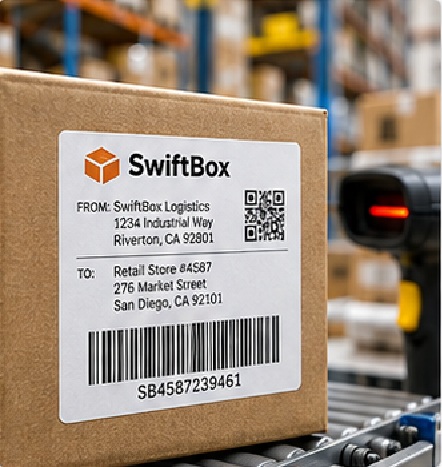
Barcode and QR projects require more than visually sharp printing. Code size, quiet zone, contrast, substrate reflectivity, curvature, print gain, lamination and handling can affect scanning.

Barcode And QR Labels

Barcode and QR projects require more than visually sharp printing. Code size, quiet zone, contrast, substrate reflectivity, curvature, print gain, lamination and handling can affect scanning. Philiton can produce static or variable codes, then apply visual or scan verification according to the agreed plan. Metallic or reflective effects near codes should be reviewed before production, particularly for retail, logistics and industrial identification applications.
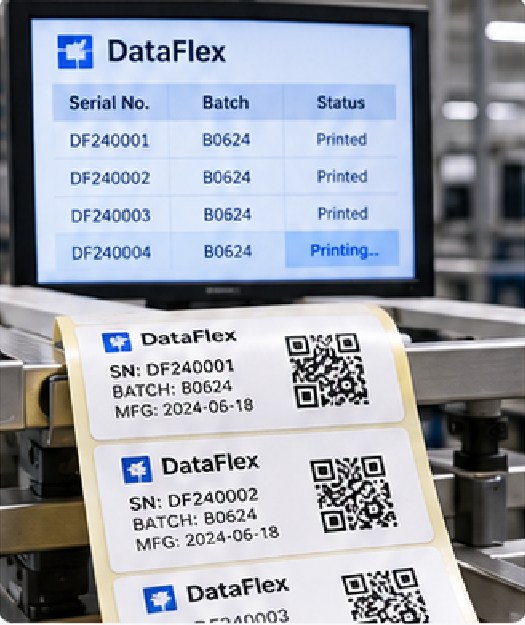
Variable-data production can include serial numbers, unique QR codes, batch or lot numbers, coupons, Data Matrix codes and changing text. Philiton treats data preparation, artwork merge, print output, verification, scrap, reprints and final reconciliation as connected steps.

Variable Data Labels

Variable-data production can include serial numbers, unique QR codes, batch or lot numbers, coupons, Data Matrix codes and changing text. Philiton treats data preparation, artwork merge, print output, verification, scrap, reprints and final reconciliation as connected steps. Unique data needs a defined source and rule set so duplicate, missing, wrong-SKU or sequence-break risks are controlled rather than discovered after the labels have been packed.
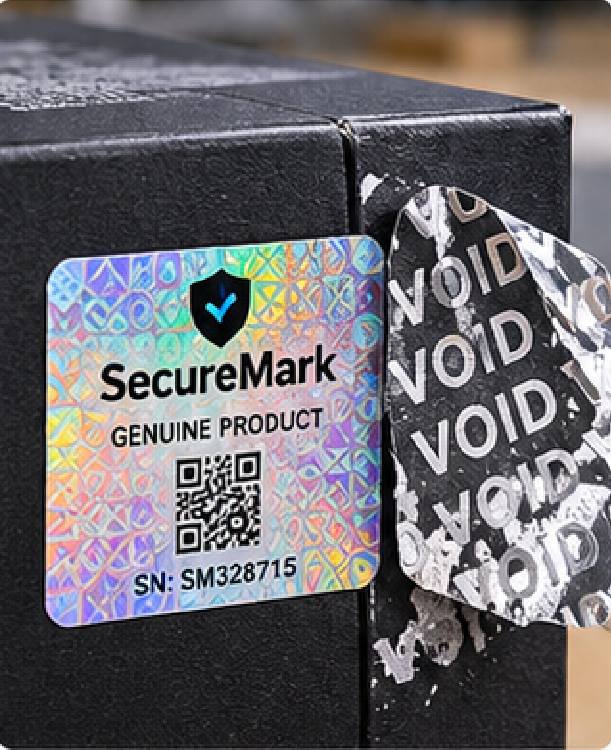
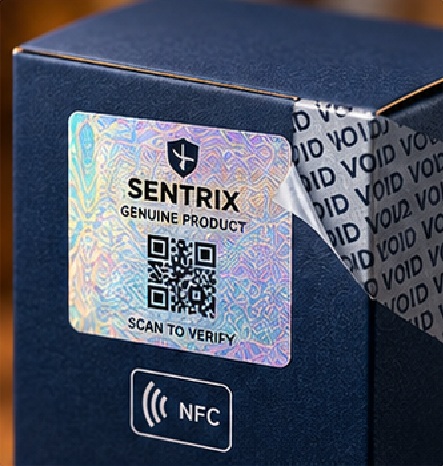
Tamper-evident, VOID, destructible, holographic, scratch-off and other security constructions combine material behavior, printing, converting and sometimes variable information. Philiton reviews the required evidence mechanism and the actual application surface before locking the structure.

Security Labels

Tamper-evident, VOID, destructible, holographic, scratch-off and other security constructions combine material behavior, printing, converting and sometimes variable information. Philiton reviews the required evidence mechanism and the actual application surface before locking the structure. Special hologram origination, security materials or tooling can create different MOQ and lead-time conditions, so a sample or pilot route is normally more useful than selecting a security label from appearance alone.
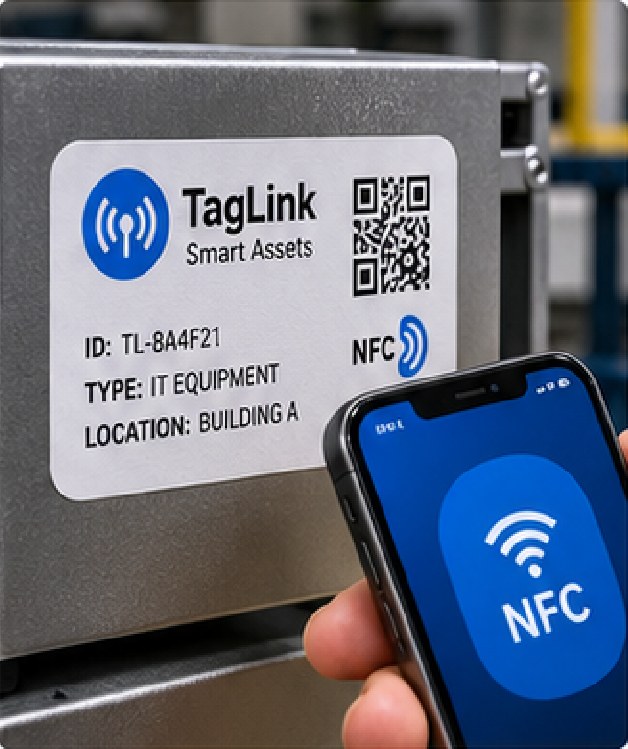
RFID/NFC programs may combine printed graphics, barcodes, QR codes, variable data, inlay converting, chip encoding and read/write verification.

RFID And NFC Labels

RFID/NFC programs may combine printed graphics, barcodes, QR codes, variable data, inlay converting, chip encoding and read/write verification. Frequency, chip or inlay, finished size, application surface, surrounding metal or liquid, target read behavior and data rules must be defined by project. Philiton can integrate printing and smart-label converting, while final RF performance is validated against the chosen inlay, installation position and operating environment.
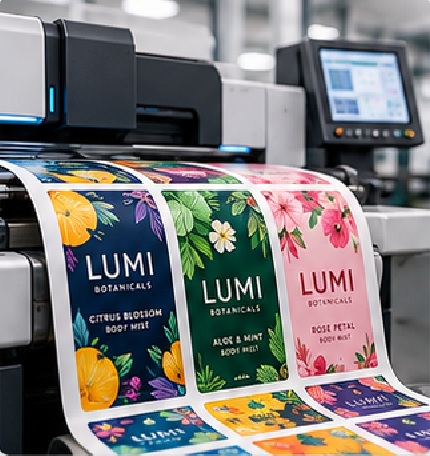
Nine Printing Routes Used Across Philiton Label Programs

The right route depends on quantity, SKU count, artwork, color, material, variable content, finishing, delivery format and repeat frequency. No single printing method is automatically superior.
Digital printing removes the need for traditional plates and supports rapid artwork changes, multiple SKUs and variable content.

Digital Printing

Digital printing removes the need for traditional plates and supports rapid artwork changes, multiple SKUs and variable content. Philiton often evaluates digital production for launches, seasonal designs, regional versions and orders where each SKU carries moderate volume. CMYK, white layers and specialty requirements still depend on the specific material and press configuration, so color and adhesion are approved on the final construction.
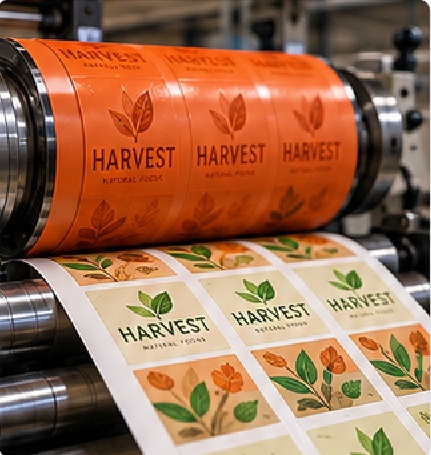
Flexographic printing uses plates and continuous roll production, making it strong for stable, repeatable and larger-volume label programs. Setup, plate cost, material width, colors, finishing and run length influence economics.

Flexographic Printing

Flexographic printing uses plates and continuous roll production, making it strong for stable, repeatable and larger-volume label programs. Setup, plate cost, material width, colors, finishing and run length influence economics. Philiton evaluates flexo when repeat quantity can spread preparation costs across more labels, especially for roll labels requiring controlled color, consistent winding and efficient production over longer runs.
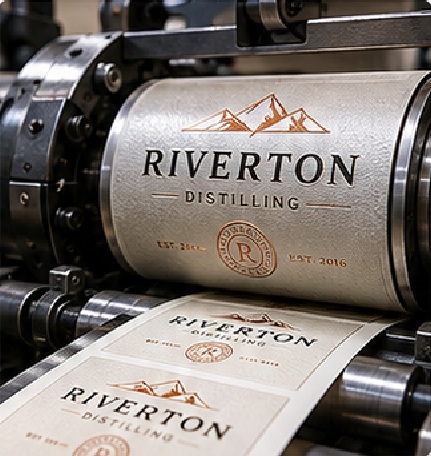
Rotary letterpress remains useful for selected label structures where controlled ink transfer, fine text or established production specifications make the route appropriate.

Letterpress Printing

Rotary letterpress remains useful for selected label structures where controlled ink transfer, fine text or established production specifications make the route appropriate. Philiton treats letterpress as a project-dependent option rather than a quality ranking. Material behavior, color requirements, run length, tooling and downstream finishing are reviewed alongside digital and flexographic alternatives before the production route is confirmed.
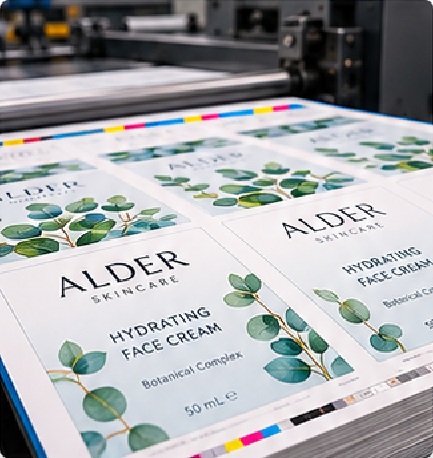
Offset can be suitable for high-detail graphics, fine gradients and selected sheet or specialty print formats.

Offset Printing

Offset can be suitable for high-detail graphics, fine gradients and selected sheet or specialty print formats. Philiton does not describe offset as automatically higher quality than digital or flexo; artwork, material, production format and volume determine whether it adds value. Projects requiring roll delivery or automatic application should also be evaluated against roll-based printing routes before artwork and finishing are locked.
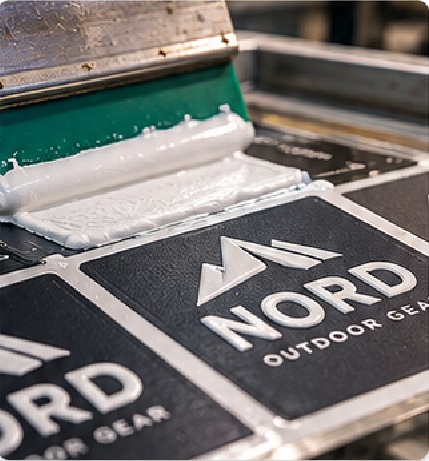
Screen printing is valuable when high opacity, thicker ink deposits or selected special inks are important.

Screen Printing

Screen printing is valuable when high opacity, thicker ink deposits or selected special inks are important. Transparent and metallic stocks may benefit from a controlled opaque white layer or other localized effects. Philiton reviews ink adhesion, mesh and print build, curing, registration and downstream converting because thicker ink can influence winding, die cutting, surface friction and final appearance.
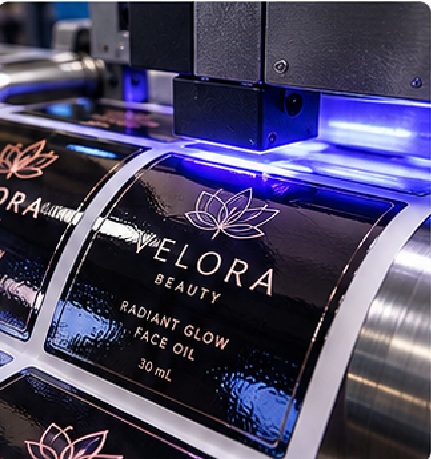
UV usually describes an ink or coating curing system rather than one universal print method.

UV-Related Printing

UV usually describes an ink or coating curing system rather than one universal print method. Flexographic, screen and selected digital processes can use UV-curable systems. Philiton separates UV curing from Spot UV and Raised UV finishing so specifications remain clear. Adhesion, cure, surface treatment, migration requirements and subsequent lamination or foil processes are confirmed for the actual material and application.
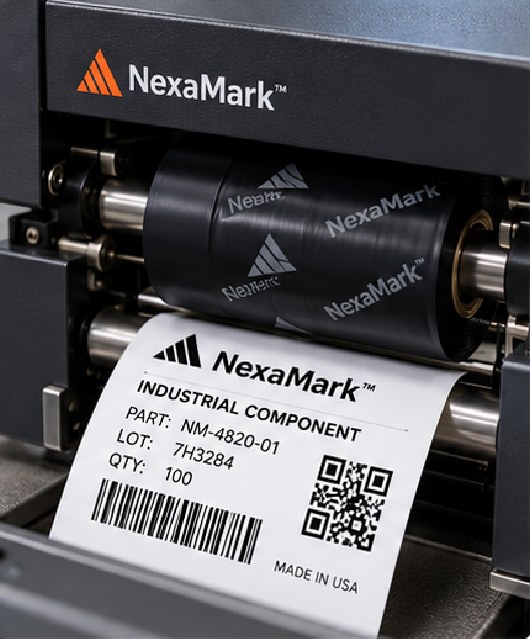
Thermal transfer places variable information onto a compatible label using a ribbon and printer.

Thermal Transfer

Thermal transfer places variable information onto a compatible label using a ribbon and printer. Philiton can manufacture blank labels or preprint fixed branding before thermal printing. The correct route depends on face material, topcoat, ribbon, printer model, barcode needs, chemical exposure and roll specification. Durable performance should be tested as a complete label-ribbon-print combination rather than assumed from ribbon name alone.
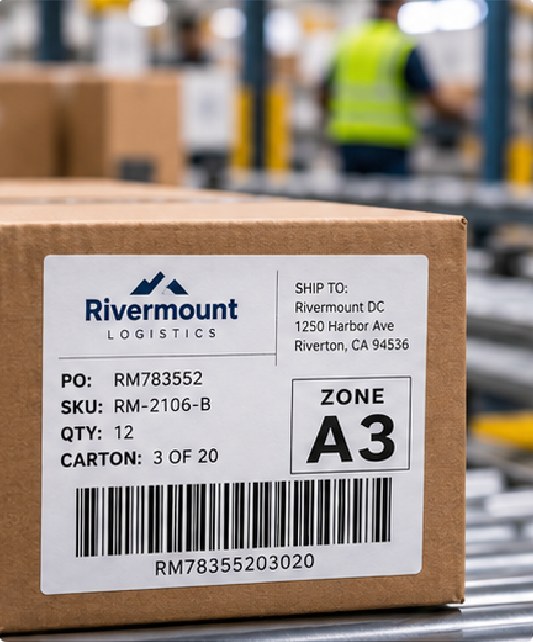
Direct thermal material forms an image through heat without a ribbon, simplifying warehouse, shipping and short-life identification workflows.

Direct Thermal

Direct thermal material forms an image through heat without a ribbon, simplifying warehouse, shipping and short-life identification workflows. The tradeoff is image sensitivity to heat, light, abrasion and some chemicals. Philiton selects direct thermal when expected service conditions fit the material, then confirms adhesive, roll geometry, sensor requirements, barcode readability and packing for the intended printer and operating period.
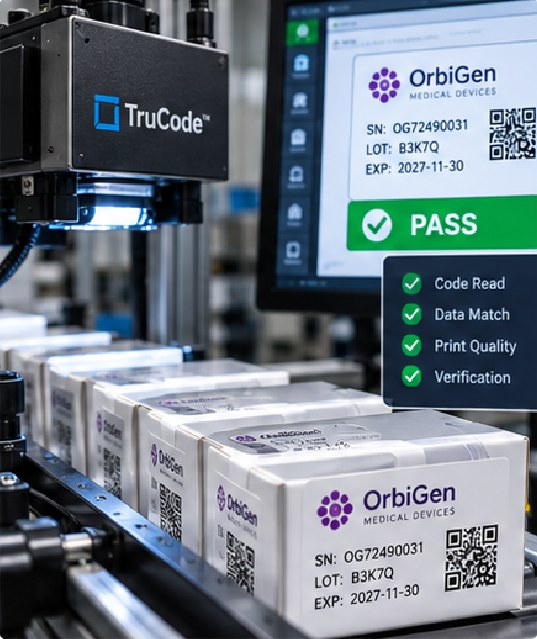
Variable data is a production and verification capability that can work alongside digital, inkjet, thermal or smart-label processes.

Variable Data Printing

Variable data is a production and verification capability that can work alongside digital, inkjet, thermal or smart-label processes. Philiton supports serial, QR, barcode, lot and other changing information where data rules are defined. The workflow covers source data, merge, output, verification, scrap and reprint control, because data integrity can matter more than the visual appearance of an individual code.
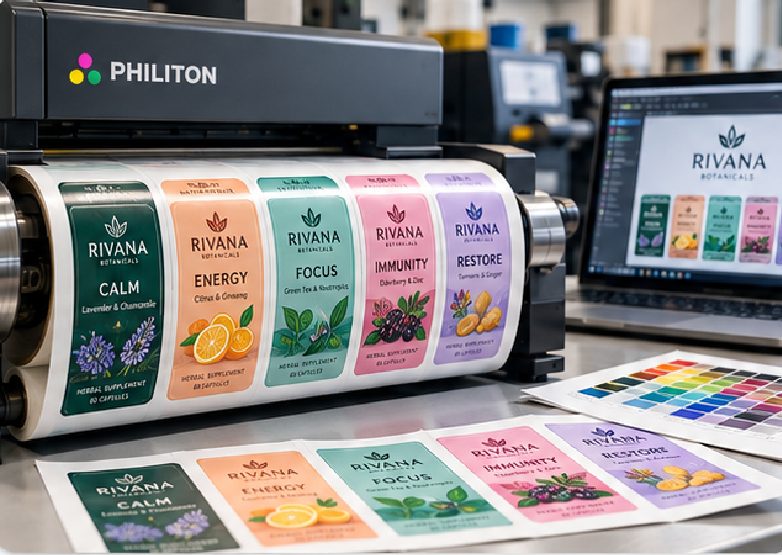
Digital And Flexo Serve Different Parts Of One Program

Philiton can move a label family between production routes as volumes, SKU structure and repeat frequency change. The best route is selected around order economics and control requirements.
Digital For Version Flexibility

Digital For Version Flexibility

A program with 12 SKUs at 800 labels each behaves differently from one artwork at 100,000 labels. Digital printing reduces plate preparation and makes artwork switching, versioning and variable content easier, which is useful for product launches, regional packs and seasonal changes. Philiton still reviews material, white ink, finishing and color expectations before production. As stable SKUs grow, the route can be reevaluated rather than keeping every repeat order digital by default.
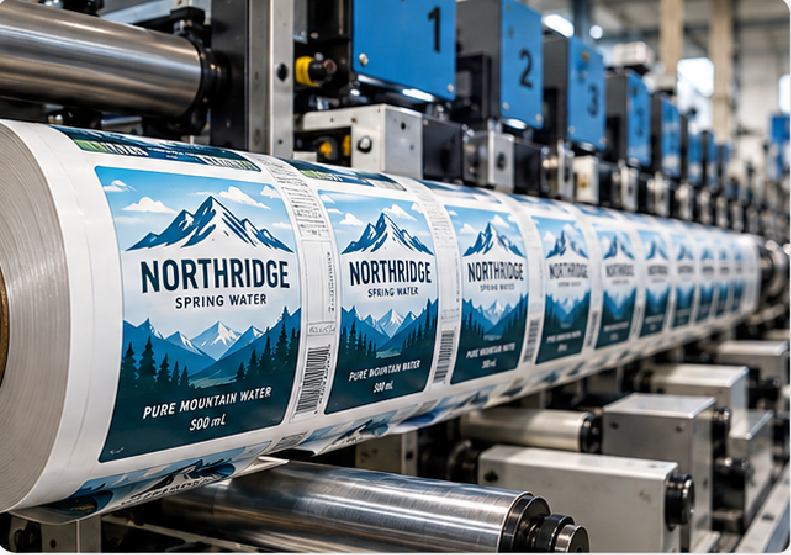

  • Strong fit for multiple artworks and changing versions
  • Useful for launch quantities and frequent revisions
  • Supports variable content and serialization workflows
  • Crossover to another process depends on each SKU, not only total order quantity
Flexo For Repeatable Scale

Flexo For Repeatable Scale

A stable flagship SKU produced in repeated tens of thousands has a different cost structure. Flexographic printing requires plates and press setup, but those preparation costs can be spread across a longer run. Philiton evaluates flexo for repeat programs that benefit from roll efficiency, spot-color control and repeatable production settings. Artwork revision, material changes, new colors or altered finishing can change the economics, so repeat orders are reviewed against the approved specification rather than released automatically.
  • Strong fit for stable artwork and longer roll runs
  • Plate and setup costs matter most before volume is spread across the run
  • Roll specifications are controlled for downstream application
  • Approved color and production references support repeat consistency

Printing Routes Change With The Final Label Application

The same artwork can require a different production route when material, environment, line speed, regulatory text, durability or variable information changes. Philiton connects printing to the actual use case.
Cosmetic packaging may combine clear films, opaque white, fine text, metallic effects, oil exposure and many fragrance or formula SKUs.

Beauty And Cosmetics

Cosmetic packaging may combine clear films, opaque white, fine text, metallic effects, oil exposure and many fragrance or formula SKUs. Philiton can evaluate digital for launch flexibility, flexo for stable repeat volume and screen/UV or foil processes for selected visual effects. Adhesive, container curvature, formula contact and protective finishing remain separate engineering decisions, so a premium print route is never treated as a substitute for application testing.
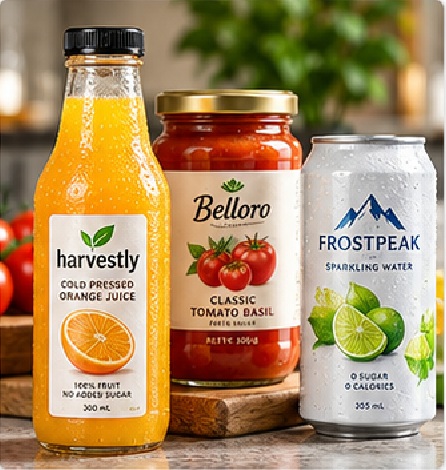
Food and beverage labels can face condensation, refrigeration, freezer storage, bottle curves, wet handling and rapid line application.

Food And Beverage

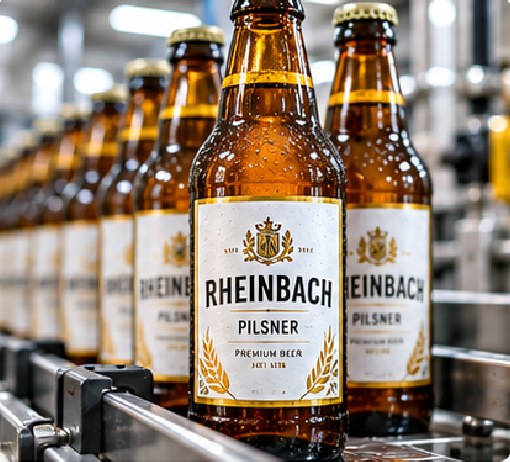
Food and beverage labels can face condensation, refrigeration, freezer storage, bottle curves, wet handling and rapid line application. Philiton reviews whether the label has direct, indirect or external package contact, then separates regulatory artwork from material and production decisions. Digital or flexo may be used depending on SKU and run structure, while film, adhesive, ink and protective finish are selected against the actual storage and application conditions.
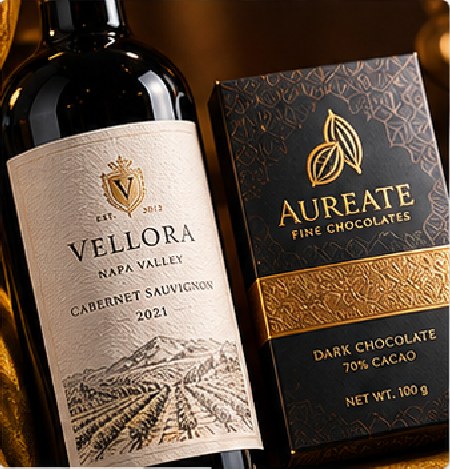
Wine, spirits and premium goods often depend on texture, foil, embossing, fine linework and controlled color rather than simple four-color printing.

Wine And Premium Packaging

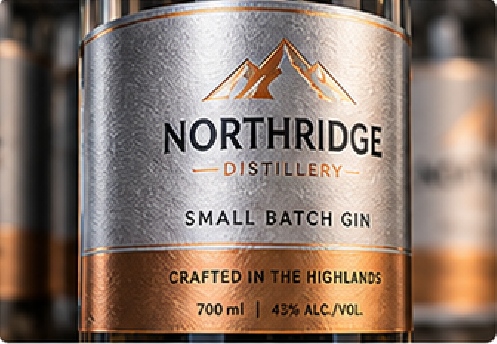
Wine, spirits and premium goods often depend on texture, foil, embossing, fine linework and controlled color rather than simple four-color printing. Philiton can combine suitable paper or film stocks with selected print and finishing routes, then use physical samples to evaluate tactile and visual results. Textured papers can change ink density and foil behavior, so screen appearance alone is not used as the final color reference.
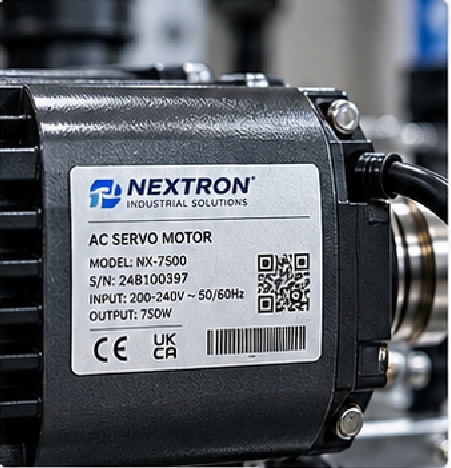
Industrial And Electronics

Industrial And Electronics

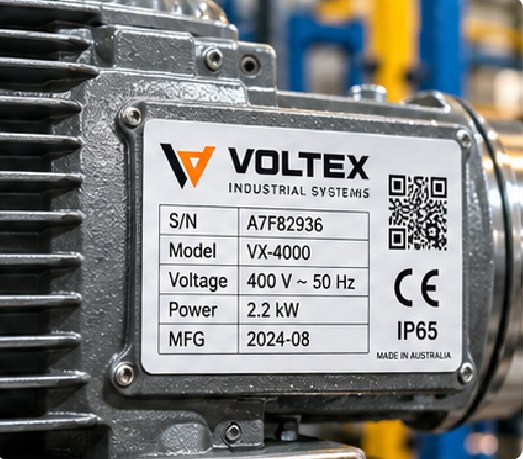
Industrial labels may prioritize durable graphics, serial data, barcode readability, chemical exposure, heat, abrasion and traceability. Philiton can combine PET or other durable constructions with screen, thermal transfer, variable data, digital or selected conventional routes. Material, ink, laminate, adhesive and application surface must be tested together when performance claims are important. Equipment labels also require legible small text and controlled revision history.
Logistics And Retail

Logistics And Retail

Shipping, inventory, warehouse and retail labels often depend on printer compatibility and code quality more than decorative effects. Philiton can produce direct thermal, thermal transfer, preprinted roll labels and variable-data labels with defined gaps, black marks, cores, winding direction and code areas. Barcode verification can be included according to the agreed plan, because passing one phone scan is not the same as meeting an operational barcode quality requirement.
Security And Smart Labels

Security And Smart Labels

Security and smart-label programs can combine visible print, tamper evidence, holographic effects, serial data, QR, scratch layers, RFID or NFC. Philiton controls the print route together with data handling, converting and verification requirements. Inlay, encoding, security behavior and read performance are confirmed by project, especially when metal, liquid, package geometry or backend data rules can influence the final result.

Material Choice Changes Ink, Color And Production Behavior

Philiton sources labelstocks from qualified supply channels and converts them through the appropriate printing and finishing route. Material selection starts with the labeled surface and operating environment. CTA: Request Material Review
Coated paper provides a smoother print surface for product labels, promotional labels and many dry packaging applications.

Coated Paper

Coated paper provides a smoother print surface for product labels, promotional labels and many dry packaging applications. Digital, flexographic, letterpress and selected offset routes can be considered according to format and quantity. Moisture and oil exposure may require varnish, laminate or a film alternative. Adhesive type, container surface and finish should be specified before the artwork is treated as fully production-ready.
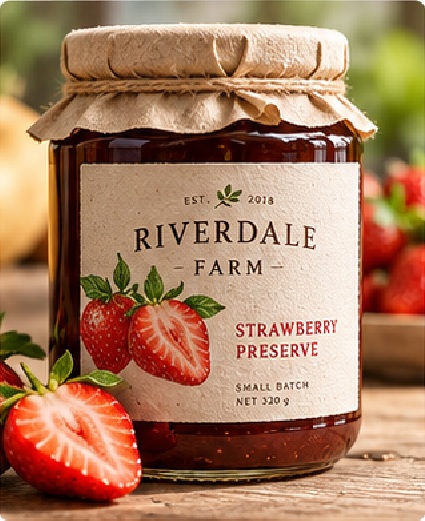
Uncoated paper offers a natural, tactile appearance but absorbs ink differently from coated stock.

Uncoated Paper

Uncoated paper offers a natural, tactile appearance but absorbs ink differently from coated stock. Fine lines, dark solids, gradients and small text can change after printing, especially on textured or porous surfaces. Philiton recommends approving color and detail on the intended paper rather than relying on monitor appearance. Varnish, foil and adhesive performance are also reviewed against the actual stock.
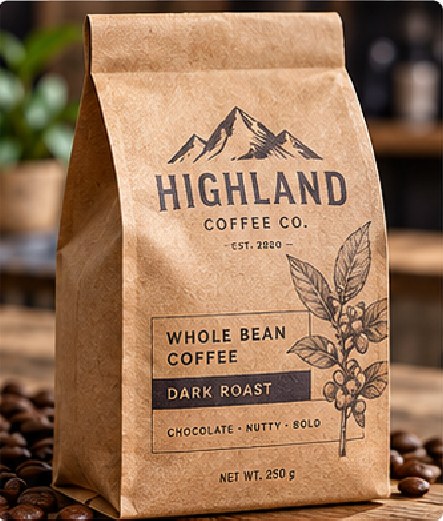
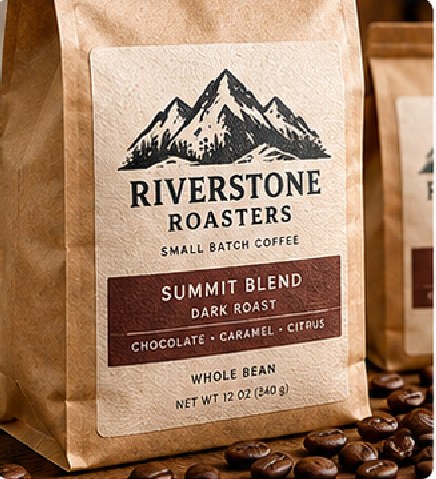
Kraft creates a warm, natural look, but the brown substrate alters printed color and may reduce contrast.

Kraft Paper

Kraft creates a warm, natural look, but the brown substrate alters printed color and may reduce contrast. White ink or adjusted artwork may be needed where bright colors are important. Philiton evaluates print route, ink coverage, adhesive and finishing according to the package and expected environment. Kraft is not automatically suitable for wet, oily or long-life applications without a structure designed for those conditions.

Textured papers are common in premium wine, spirits, beauty and gift packaging. Surface peaks and valleys can affect ink density, foil transfer, embossing and fine detail.

Textured Paper

Textured papers are common in premium wine, spirits, beauty and gift packaging. Surface peaks and valleys can affect ink density, foil transfer, embossing and fine detail. Philiton uses actual-stock sampling when texture is part of the brand experience, because a screen proof cannot show how light, pressure and ink interact with the surface. Die cutting and adhesive selection are also checked separately.

White BOPP/PP offers a clean film surface for packaging that may encounter moisture, oil or handling.

White BOPP Or PP Film

White BOPP/PP offers a clean film surface for packaging that may encounter moisture, oil or handling. Digital and flexographic printing are common options, while screen or UV-related routes may be considered for selected effects. Print adhesion, surface treatment, adhesive, laminate and bottle geometry influence final performance. Philiton confirms the full construction rather than describing film stock alone as universally waterproof or permanent.

Clear film supports a no-label-look appearance but introduces white-ink and transparency decisions.

Clear BOPP Film

Clear film supports a no-label-look appearance but introduces white-ink and transparency decisions. Artwork can appear weak or change color if white support layers are not planned correctly. Philiton reviews front or reverse image build, white ink, adhesive clarity, container color and protective finishing together. A physical sample on the intended bottle or representative substrate is the preferred reference before bulk production.
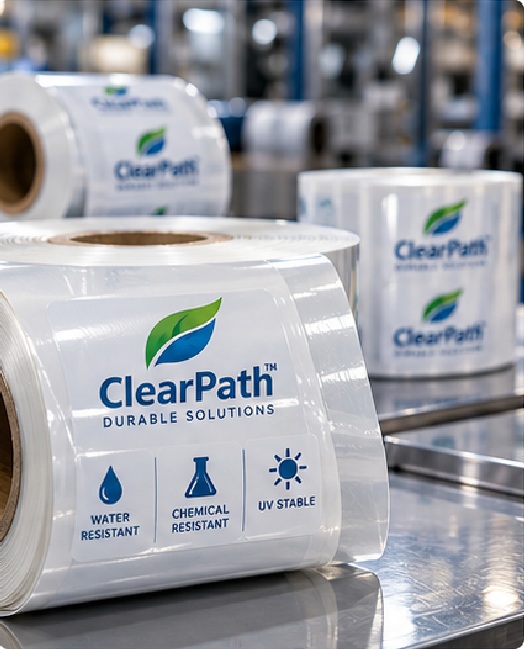
PET is selected for many industrial, electronics, durable and high-stability applications.

PET Film

PET is selected for many industrial, electronics, durable and high-stability applications. Printing route, topcoat, ink system and laminate must match the required graphics and exposure. Philiton may combine PET with variable data, barcode, screen, digital, thermal transfer or other project-appropriate processes. Chemical, heat, abrasion or outdoor performance claims are tied to the exact construction and test requirement, not to PET name alone.
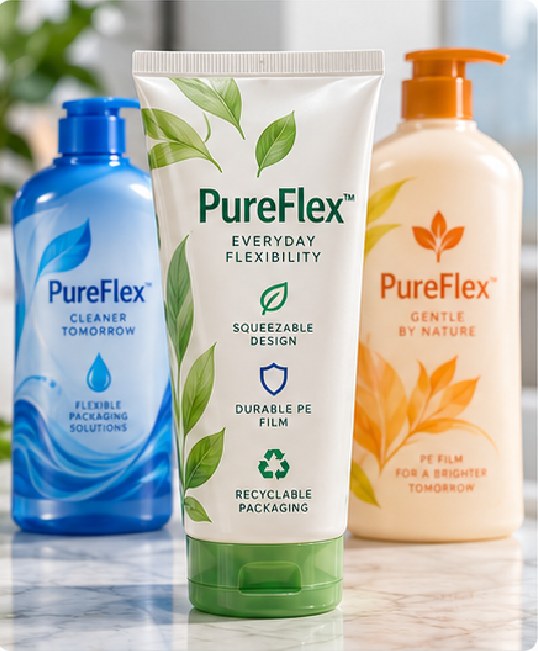
PE can suit flexible or squeezable containers because of its conformability, but print and adhesive choices must follow the specific film treatment and application surface.

PE Film

PE can suit flexible or squeezable containers because of its conformability, but print and adhesive choices must follow the specific film treatment and application surface. Philiton evaluates flexibility, curvature, ink adhesion, overlaminate and die-cut behavior together. When the container is also PE or another lower-surface-energy plastic, adhesive selection and surface condition become as important as the printed face material.
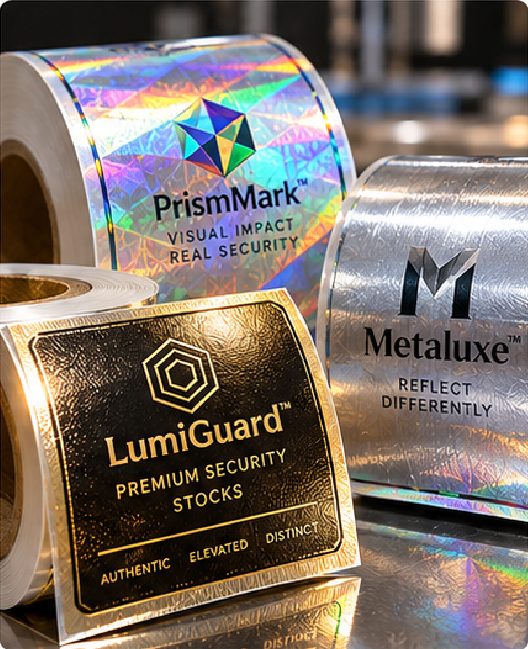
Metallic and holographic materials create reflective visual effects but can change printed color, white-ink requirements and barcode or QR readability.

Metallic And Holographic Stocks

Metallic and holographic materials create reflective visual effects but can change printed color, white-ink requirements and barcode or QR readability. Philiton separates decorative areas from machine-readable zones when needed and checks adhesion, overprint, finishing and die cutting on the actual material. Custom security holograms may require separate origination, tooling or supplier minimums, so standard stock and custom security structures follow different project routes.
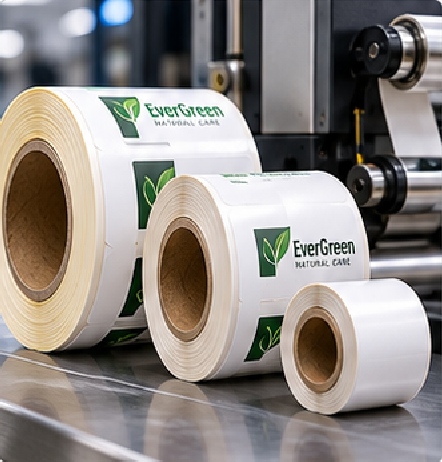
Supporting Materials Decide More Than The Press Alone

Ink, adhesive, liner and protective layers determine how a printed label applies, survives and converts. Philiton specifies supporting materials around the finished construction rather than the artwork alone.

Permanent Adhesives

Permanent adhesive is a broad functional category, not one universal chemistry. Philiton selects a suitable construction according to substrate, surface energy, curvature, application temperature, service temperature and exposure. Glass, coated paper, PET, PP, PE and HDPE can behave differently even when label artwork is identical. High-value applications should be tested on the real product or a representative surface before quantity production.

Removable Adhesives

Removable and repositionable constructions are selected where clean removal or temporary placement matters. Dwell time, temperature, surface coating and adhesive choice influence residue and removability. Philiton reviews how long the label will remain in place, what surface it will contact and whether relabeling is required. A removable construction should be validated on the actual substrate rather than promised from material name alone.

Freezer And High-Tack Adhesives

Low-temperature and difficult-surface projects require a clear distinction between application temperature and service temperature. A label can fail if applied to a cold or wet package even when the adhesive can later survive colder storage. Philiton reviews condensation, surface energy, texture and curvature, then selects a candidate high-tack or freezer-oriented construction and confirms it through material data and application testing.

Release Liners

Glassine, paper and film liners influence die cutting, stripping, dispensing and automatic application. Liner release should match the adhesive, label shape and equipment. Philiton checks liner width, stiffness, release behavior and sensor requirements together with gap, pitch and roll geometry. A visually correct face label can still cause line problems if the liner or release behavior is poorly matched to the applicator.

Process Color Inks

CMYK process printing is widely used for photographic artwork, gradients and multi-color graphics. Final appearance depends on the printing route, material color, transparency and finish. Philiton checks color on the intended construction, because the same CMYK values can look different on white paper, clear film, kraft or metallic stock. Critical brand colors may require a separate spot-color or approved physical reference strategy.

Spot And White Inks

Spot colors and opaque white are used when standard CMYK cannot deliver the required brand target, opacity or underprint. Philiton reviews Pantone targets, substrate color, transparency and final finish before confirming the route. White ink on clear or metallic material often functions as a structural image layer, so coverage, trapping and registration need their own prepress control instead of being added at the end.

Varnish And Lamination

Varnish and laminate protect graphics and alter gloss, texture, friction and appearance. Philiton can use gloss, matte and other protective routes according to the project. Protection should match real exposure: abrasion, moisture, oil or chemicals may require different constructions. Finishing can also affect barcode reflectivity, thermal-transfer printability and label stiffness, so it is reviewed before roll and application specifications are finalized.

Specialty Foils And Coatings

Foils, tactile coatings and specialty surface effects can elevate visual impact, but they also add tooling, registration and compatibility requirements. Philiton checks foil area, artwork detail, material surface, pressure, temperature, later die cutting and packing. Specialty materials can carry supplier minimums or longer preparation time. The goal is to use special effects where they improve the brand result rather than adding complexity with no clear packaging value.

Components And Application Details Complete The Label System

Finished labels often need hardware-like specifications beyond ink and stock. Philiton confirms roll, sensor, printing and smart-label components before production is locked.
Roll cores must fit the printer or applicator, not a generic factory preference.

Roll Cores

Roll cores must fit the printer or applicator, not a generic factory preference. Philiton can supply common core constructions, while the required inside diameter is confirmed from the machine or project specification. Core size works together with liner thickness, label pitch and maximum outside diameter to determine labels per roll. Incorrect core selection can stop an otherwise correct label from loading onto equipment.
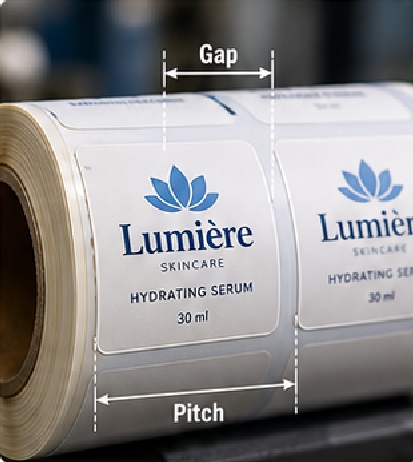
Gap is the space between adjacent die-cut labels

Gap And Pitch

Gap is the space between adjacent die-cut labels; pitch is the repeat distance from one label position to the next. Both affect sensor detection and machine indexing. Philiton confirms these values when rolls are intended for automatic or semi-automatic application. Label shape, liner, die-cut tolerance and machine settings must work together, especially on small labels or high-speed lines where indexing errors create repeated stoppages.
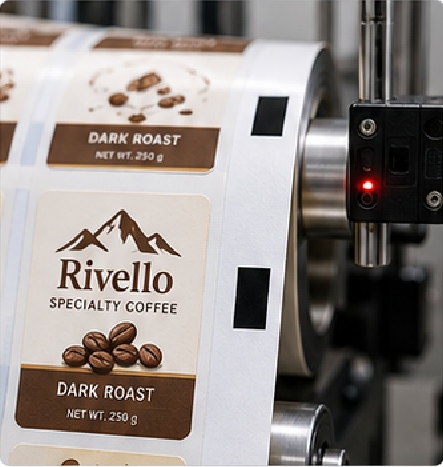
Some printers and applicators use black marks or other registration marks rather than a visible die-cut gap.

Black Sensor Marks

Some printers and applicators use black marks or other registration marks rather than a visible die-cut gap. Philiton can add marks when the equipment specification requires them. Position, size, contrast and repeat distance are set according to the sensor requirement. A black mark should not be added merely because a roll label uses variable data; it is an equipment interface feature that needs a defined purpose.
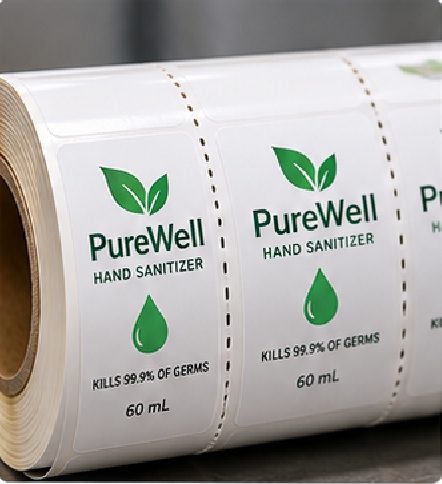
Perforations can be added between labels or defined sections when hand separation, counting or process flow requires it.

Perforation Options

Perforations can be added between labels or defined sections when hand separation, counting or process flow requires it. Philiton reviews perforation position and strength so rolls remain stable during printing, rewinding, transport and dispensing. Excessively weak perforation can break on the line; excessively strong perforation can defeat the separation function. Finished samples can be used to verify handling before a large roll program begins.
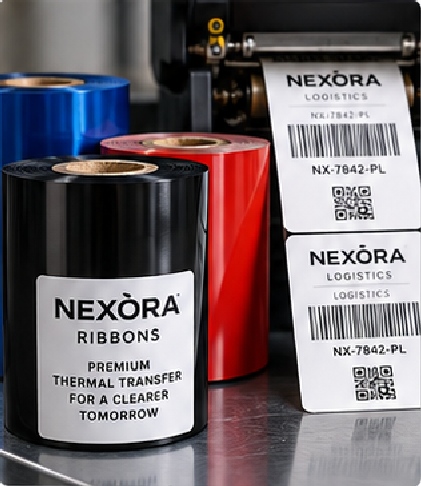
Thermal transfer printing depends on ribbon as well as label material.

Thermal Ribbons

Thermal transfer printing depends on ribbon as well as label material. Wax, wax-resin and resin are broad ribbon families with different performance directions, but the correct choice depends on topcoat, printer, darkness, abrasion and exposure. Philiton can review intended ribbon and printer information when preprinted labels will receive later variable printing, reducing the risk that laminate or varnish blocks ribbon adhesion.
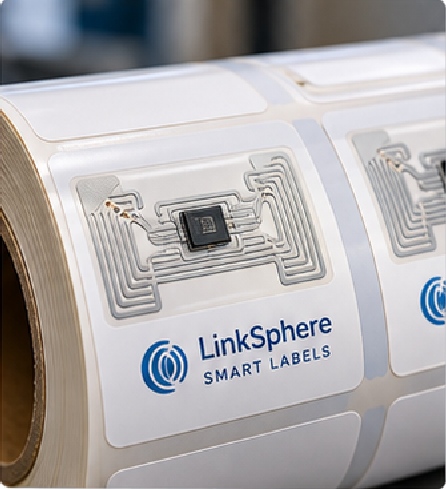
RFID/NFC inlays add antenna, chip, memory, frequency and encoding requirements to the printed label. Philiton can integrate suitable inlays into paper, film or other label structures according to the project.

RFID And NFC Inlays

RFID/NFC inlays add antenna, chip, memory, frequency and encoding requirements to the printed label. Philiton can integrate suitable inlays into paper, film or other label structures according to the project. Inlay size, finished label size, application surface, metal or liquid proximity, encoding rules and verification method are confirmed before mass production. Smart-label performance is never defined by printed artwork alone.


Brand And Logo Effects Built Into The Production Route

Logo decoration is planned with material, ink, tooling and finishing from the beginning. Philiton avoids treating premium effects as add-ons after the base label has already been engineered.
Opaque White Printing

Opaque White Printing

Opaque white supports clear films, metallic stocks and dark substrates where process colors need a controlled base. Philiton can create full or selective white layers according to artwork and the chosen printing route. Coverage, trapping and registration matter because white can influence every color printed above it. A transparent bottle sample is often more informative than viewing white separation files on screen.
Hot Foil Stamping

Hot Foil Stamping

Hot foil can add gold, silver, colored or holographic accents to logos and selected graphics. Philiton reviews foil area, line detail, substrate, heat and pressure requirements before tooling. Foil is not ordinary ink, so very fine gaps, textured stocks and large solid areas can behave differently. A finishing sample is useful when foil registration and surface appearance are critical to brand approval.
Emboss And Deboss

Emboss And Deboss

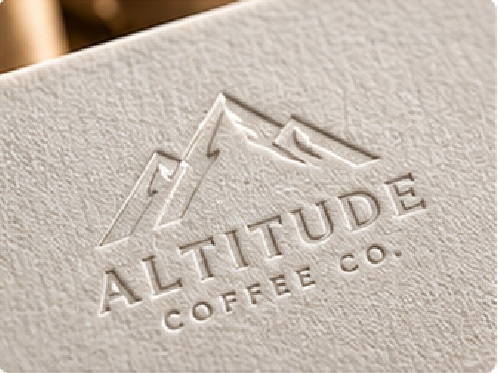
Embossing and debossing create physical relief rather than printed color. Philiton evaluates artwork depth, area, paper or film response, tooling and registration with other printed elements. Premium labels often combine foil and emboss, which increases the importance of sequence and alignment. The approved physical sample becomes the reference because texture, shadow and tactile effect cannot be judged reliably from a flat digital proof.
Spot And Raised UV

Spot And Raised UV

Spot UV or raised UV can highlight selected areas with contrast in gloss or texture. Philiton keeps this finishing route separate from the broader concept of UV-curable printing. Material surface, coating build, cure and later die cutting influence the result. Raised areas can also change roll friction or packing pressure, so the effect should be engineered with label format and shipment protection in mind.
Holographic Effects

Holographic Effects

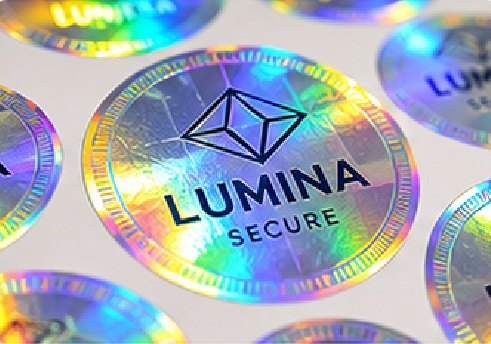
Holographic stocks, foils or security-oriented hologram constructions can create decorative or authentication value. Philiton distinguishes stock holographic material from custom security origination. Stock effects may be suitable for branding at standard quantities, while custom structures can require separate masters, supplier minimums and longer preparation. Printed color, white ink and code areas are reviewed because reflectivity can change both appearance and machine readability.
Metallic Appearance

Metallic Appearance

Metallic appearance can come from foil, metallic film, metallic ink or a printed construction over reflective stock. Each route creates different cost, coverage, texture and registration conditions. Philiton evaluates whether the goal is a small logo accent, a broad metallic background or a functional reflective surface, then chooses a process compatible with the material, artwork, quantity and required finishing.
Matte And Gloss Finishes

Matte And Gloss Finishes

Matte and gloss finishes change both appearance and handling. Matte can reduce glare and create a softer premium look; gloss can increase saturation and surface shine. Philiton chooses varnish or laminate according to graphic effect, abrasion needs and later printing requirements. Barcode and QR areas may need special attention because excessive reflection can reduce scanning reliability under some lighting and scanner conditions.
Custom Die-Cut Shapes

Custom Die-Cut Shapes

A logo or packaging label can be defined by its contour as much as by print. Philiton supports kiss-cut and full-cut shapes using rotary, flatbed or other appropriate cutting routes. Sharp points, internal corners, small bridges, matrix stripping and liner stability affect manufacturability. Short-run prototypes may use a different cutting method before dedicated tooling is justified for repeat production.

Development Turns Artwork Into A Controlled Production Specification

Philiton separates design appearance from manufacturing readiness. The development route confirms files, materials, tooling, samples and approval points before bulk production begins.

Artwork Review

Vector PDF, AI and EPS files are preferred, while high-resolution raster files can be evaluated. Philiton checks finished size, bleed, dieline, fonts, embedded images, barcode or QR placement, white-ink layers, spot colors, foil layers and variable fields. A normal flat label can often be reviewed within 2-8 working hours once the required project information and production-ready artwork are available.

Material Shortlist

Material selection begins with the application surface, environment, look and labeling method. Philiton compares paper or film stocks, adhesive direction, liner and protective finishing before the label is priced as a final construction. Blank material swatches can normally be prepared in about 1-2 working days, allowing early evaluation of touch, transparency, stiffness or adhesion before artwork is fully locked.

Dieline And Prepress

Prepress converts approved design intent into printable separations and cutting information. Philiton checks dimensions, safe area, white layers, spot colors, code zones and die-cut geometry. Plate-making or tooling is only introduced when the selected route requires it. Standard plate preparation is commonly around 1-2 working days after production files are frozen; die tooling is often around 1-3 working days, subject to complexity.

Digital Sample

Digital sampling is useful for artwork, size, color direction and multi-SKU review without traditional plate preparation. A typical digital sample can be around 10-50 pcs per design and usually takes about 1-3 working days after artwork, material and process direction are confirmed. Digital samples are especially useful before a launch run, but any known difference from the intended mass-production process should be stated during approval.

Finished Process Sample

Printed and finished samples can verify the combined effect of material, ink, die cutting, laminate, varnish and basic finishing. A standard finished sample is commonly about 10-100 pcs with a 3-5 working day production window. Foil, emboss, screen, holographic or other complex finishing usually requires about 5-7 working days when materials and tooling are available. International sample transit is separate.

Approval And Scale-Up

Approval should lock artwork revision, size, material, adhesive, printing target, finishing, die cut and roll specification where relevant. Philiton can retain golden or approved samples for repeat programs. Many standard label and sticker orders can begin around 500 pcs per design or SKU, then move into thousands, tens of thousands or scheduled repeat production with the route reevaluated as economics and stability change. 

Compare Printing Methods Against Real Order Conditions

A production route should be chosen from the full label program, not from one headline advantage. Philiton compares volume, SKUs, color, data, format and repeat requirements before quoting.
Printing RouteStrong FitSKU FlexibilityVariable DataColor / White InkSetup ProfileCommon DeliveryMain Limitation To Review
DigitalLaunches, short-to-mid runs, frequent artwork changesHighStrongCMYK strong; white/spot by configurationLow plate dependencyRoll, sheet, piecesUnit economics can shift as stable volume grows
FlexographicStable medium-to-large roll runs, repeat programsMediumLimited without added data processStrong spot-color and roll-production optionsPlates and press setupRollPreparation cost and changeovers matter on many small SKUs
LetterpressSelected fine-detail and established roll specificationsMediumLimited without added processProject dependentPlate/setup requiredRollRoute value depends heavily on material, artwork and run structure
OffsetHigh-detail graphics, selected sheet or specialty formatsMediumLowStrong detailed graphicsPlate/setup requiredSheet or selected formatsLess natural for some automatic roll-label programs
ScreenOpaque white, thicker ink, special/localized effectsLow-MediumLowHigh-opacity and special ink strengthScreen/setup requiredRoll or selected formatsFine detail, cure, registration and winding need control
Thermal TransferOn-demand barcodes, serials, industrial identificationHigh at point of useStrongPrimarily variable overprintPrinter/ribbon dependentRollFace stock, ribbon and printer must be matched
Direct ThermalShipping, warehouse, short-life informationHigh at point of useStrongMonochrome thermal imageNo ribbonRollHeat, light, abrasion and chemical exposure limit image life
Variable Data / InkjetUnique QR, serial, batch, lot and coding programsVery HighCore capabilityUsually combined with fixed artwork processData preparation requiredRoll, sheet, piecesDuplicate, missing, mismatch and verification controls are critical

Six Decisions Determine The Most Suitable Printing Route

Philiton can recommend a primary route, an alternative route and any tests still required after six core production questions are answered.

Quantity Per SKU

Total order quantity can hide the real economics. Ten SKUs at 2,000 labels each are not the same as one SKU at 20,000. Philiton evaluates quantity per artwork because plates, setup, color changes, finishing and variable information are triggered by each design structure. Digital may remain efficient across many versions even when the combined order looks large.

Number Of Artworks

Artwork count affects version control, setup frequency, file handling and production scheduling. Philiton identifies which SKUs share finished size, material, adhesive and finishing so compatible designs can be planned together where appropriate. Separate artworks still retain their own approved files, quantities and QC identity. Shared specifications can reduce avoidable changeovers without merging distinct SKUs into one uncontrolled production record.

Material And Surface

The printed face material must support both the ink system and the package. Philiton checks paper, BOPP/PP, PET, PE, clear, metallic, holographic or specialty materials together with the labeled surface, adhesive and environment. Non-absorbent films may require controlled surface treatment or curing, while textured papers can change ink density, fine detail and foil behavior.

Color And Artwork

CMYK graphics, Pantone targets, opaque white, metallic effects, fine text and photographic detail can point toward different production routes. Philiton does not rank methods as good or bad. The focus is whether the chosen route can deliver the required visual target on the intended stock, then reproduce it under the approved color reference and revision-controlled artwork.

Variable Or Special Features

Unique data, RFID, scratch layers, screen white, foil, embossing, Spot UV or holographic elements can add separate production stages. Philiton identifies which feature belongs to printing, data output, finishing or smart-label converting. That distinction matters because each stage creates its own tooling, verification, waste and lead-time requirements. Complex constructions are sampled before assumptions become mass-production commitments.

Delivery And Reorder Model

Roll, sheet and individual-piece delivery create different converting needs. Automatic applicators add core, winding, gap, pitch and sensor requirements. Philiton also asks how often the label will repeat and whether artwork changes are expected. A one-time promotion and a stable monthly reorder can justify different routes even at the same initial quantity because future setup economics and consistency requirements are different.

Production Control Continues After The Print Method Is Chosen

A printing decision becomes useful only when material, artwork, finishing, converting and inspection are locked into the same production specification.

Lock The Route Before Press Time Begins

Philiton starts from a production-ready specification rather than sending an incomplete file directly to a machine. Artwork revision, finished size, material, adhesive, ink build, white layer, color target, finishing, dieline, variable data and delivery format are reviewed first. Roll programs add winding direction, core, maximum roll diameter, gap, pitch, liner width and any black mark or perforation requirement. For standard projects, quotation and artwork review can often be completed within working hours once the key data are complete. Sampling then verifies the high-risk items before volume production. Standard label production is commonly around 5-10 working days after artwork or sample approval, materials are ready and commercial conditions are satisfied. Larger repeat programs are planned around quantity, total print area, number of SKUs, finishing, rewinding and inspection instead of a single universal lead-time promise. Process control matters because one late change can reopen several production steps. A new material can change color and adhesion; a new dieline can require tooling; a new QR file can restart data verification; a different roll direction can change rewinding. Philiton records changes against the production specification rather than relying on chat history or memory.

Scale Volume Without Losing The Approved Reference

Growth often changes the best production route. A launch may begin digitally around 500-5,000 pcs per SKU, then mature SKUs can move into 5,000-50,000+ or 50,000-500,000+ repeat structures where flexographic or other scalable routes become worth evaluating. The route is not changed silently. Material, color, artwork, tooling and approved performance need to remain controlled when production economics are optimized. Repeat orders can often move faster when artwork, material, adhesive, tooling and production parameters remain unchanged and materials are available. Philiton still performs order review and QC before release. Approved samples, color references, revision records and production settings provide continuity between batches. When a change is necessary, the effect on printing, finishing, application and compliance documentation is reviewed before the new version is accepted. Philiton operates manufacturing in Shenzhen and Dongguan with a 12,000+ ㎡ integrated footprint, more than 200 employees and 91 technical, skilled production and quality personnel. The value of that scale is not a machine count; it is the ability to connect prepress, printing, finishing, die cutting, rewinding, inspection, testing and packing under one controlled project flow. 

Packaging Protects Print Quality And Preserves Receiving Accuracy

Philiton adapts packing to roll, sheet, individual, multi-SKU and smart-label formats so finished goods arrive usable, identifiable and ready for the next production step.

Protected Roll Packing

Roll labels are packed to reduce crushing, telescoping, edge damage, moisture and accidental unwinding. Philiton considers roll diameter, weight, core support and carton arrangement before final packing. High-value printed surfaces or raised finishes may require extra protection between rolls. Outer labels can identify SKU, quantity and batch so warehouse teams do not need to open every carton during receiving.

Sheet Label Packing

Sheet labels need flatness, edge protection and controlled counts. Philiton stacks and packs sheets according to size, material stiffness and finish, using protective wrapping or boards where appropriate. Premium foil, emboss or high-gloss surfaces can require additional separation to prevent scratching. Carton identification keeps different artworks and quantities separated when several SKUs ship in the same consignment.

Individual Sticker Packing

Single stickers or die-cut pieces can be packed in counted bundles, bags or other agreed retail or industrial formats. Philiton considers adhesive exposure, liner integrity, shape and surface finish so pieces do not bend or rub during shipment. When stickers are part of kits or promotional programs, item count and SKU marking can be aligned with the receiving or assembly workflow.

Multi-SKU Carton Control

Several SKUs can share one shipment, but each artwork and quantity remains separately identified. Philiton can follow agreed carton or pallet rules, mixed-SKU limits and warehouse labels when receiving requirements are provided. This is especially useful for retail launches and international distribution where many similar label designs arrive together and a packing error can create line-side or fulfillment confusion.

Smart Label Protection

RFID/NFC labels add inlay and chip protection requirements. Packing pressure, bending, static or rough handling can affect smart-label structures depending on the design. Philiton organizes rolls or batches according to the confirmed specification and can maintain encoding or serial-range identification where the project requires it. Shipping packaging is chosen to protect both printed appearance and electronic functionality.

International Shipment Preparation

Philiton can prepare shipments for courier, air freight or sea freight according to order size, urgency and destination. Standard shipping preparation is commonly around 1-2 working days after FQC release; larger or multi-SKU programs may require around 2-4 working days for OQC, packing, carton marks and shipment documents. Commercial terms and import responsibility are confirmed in the quotation.

Representative Printing Programs Show How Route Selection Works

The following anonymized scenarios illustrate Philiton’s production logic and use representative order structures rather than named-client claims or published brand endorsements.
US Skincare Launch

US Skincare Launch

A US skincare brand planned 12 product variations using 45 x 70 mm clear BOPP labels for PET bottles. The launch quantity was 5,000 labels per SKU, 60,000 labels total. Philiton reviewed white-ink coverage, matte protection, bottle curvature and oil-handling risk before sampling. Digital production was selected for the initial version-heavy launch, allowing separate artwork control without creating a plate set for every SKU. After the line passed visual, adhesion and roll-application review, the specification was frozen for repeat planning and later volume reevaluation.
German Beverage Scale-Up

German Beverage Scale-Up

A German beverage producer needed four 80 x 120 mm roll-label artworks at 50,000 labels per SKU, 200,000 labels total. The packaging program used stable artwork and recurring replenishment. Philiton reviewed film construction, adhesive direction, brand color targets, winding, core, maximum roll diameter and automatic-application requirements. A flexographic production route was evaluated for the repeatable volume structure, with approved color and roll parameters recorded before production. Finished rolls were separated by SKU and packed with carton identification for warehouse receiving.
Australian Industrial Serialization

Australian Industrial Serialization

An Australian equipment manufacturer required 30,000 serialized 60 x 30 mm PET identification labels with fixed branding, Code 128, unique QR data and abrasion protection. Philiton separated the fixed graphic route from the variable-data workflow, then defined source-data checks, artwork merge, code verification, scrap and reprint control. A pilot batch was used to verify legibility, surface adhesion and scanning before the full run. Final packing mapped SKU and batch information so incoming inspection and later traceability could follow the approved production record.

Compliance Support Stays Tied To The Actual Label Construction

Philiton manufactures to approved specifications and can support material documents, testing and controlled regulatory artwork. Certification or performance claims are not generalized across unrelated materials or markets.

Regulatory Artwork Control

Philiton can reproduce customer-approved ingredient text, warnings, symbols, codes and other regulated content with controlled prepress and print legibility. The brand, importer or legal product-responsible party remains responsible for confirming which statements are legally required in the destination market. Production files preserve the approved version so changes to text, language, claims or symbols can be reviewed before a repeat order is released.

RoHS And REACH Support

For projects that require chemical-substance documentation, Philiton can support RoHS or REACH material documentation or third-party testing for specified constructions. Evidence must correspond to the actual facestock, adhesive, ink, laminate or other relevant components. Philiton does not treat RoHS or REACH as a universal factory certification, and a report for one material is not automatically extended to a changed supplier or different construction.

Food Contact Evaluation

Food labels are reviewed according to whether the label is outside the package, in indirect contact or intended for direct food contact. Material, adhesive, ink and coating requirements can differ by contact condition and destination market. Philiton can support material documentation and testing where specified, while the food producer or responsible party confirms the final legal basis, claims and market-entry obligations for the finished product.

FSC Paper Options

FSC-certified paper options can be sourced when the program requires them, subject to material availability and chain-of-custody verification for the actual supply route. Philiton does not describe every paper label as FSC certified. Procurement teams should identify the required claim, logo use and documentation before material approval so sourcing, artwork and supporting records can be aligned before production.

UL-Related Label Projects

Durable labels used on electrical or industrial products can involve UL-related material or marking requirements. Philiton can support suitable durable label structures and projects that require approved material or UL-file verification when the exact specification is provided. The final claim depends on the applicable program, authorized materials, end product and documentation; Philiton does not present all industrial labels as automatically UL 969 certified.

Third-Party Testing

Philiton can prepare samples, material files and production information for agreed third-party testing. The required laboratory, method, limit and report scope are defined by the project. A report only covers the tested sample and conditions, so changes to material, adhesive, ink, laminate, supplier or end use can trigger a new review. Testing is treated as evidence for a defined requirement rather than a decorative logo on the website.

Printing Technologies Frequently Asked Questions

Philiton normally starts with quantity per SKU, number of artworks, material, color, variable data, finishing, roll or sheet format and repeat frequency. Digital often fits version-heavy or changing programs, while flexographic printing often gains value as stable roll volume increases. Screen, thermal, offset, letterpress or variable-data routes are added when the artwork or application requires them.

No. Digital avoids traditional plate preparation and can reduce setup for many short-run or multi-SKU orders, but material, white ink, finishing, die cutting and quantity still affect cost. A simple 500-piece label and a 500-piece label with foil, embossing or special adhesive have different cost structures. Philiton quotes the complete construction rather than pricing from printing method alone.

There is no universal crossover quantity. Philiton evaluates each SKU separately using run length, artwork stability, number of colors, material, finishing, plate cost, changeover frequency and expected repeat orders. A single stable SKU may justify flexo earlier than a 20-SKU program with the same total quantity. Repeated demand is often more important than one large combined number.

Pantone or spot-color targets can be managed as controlled production references. Final appearance is influenced by material color, transparency, white ink, ink system, laminate and surface finish. Some Pantone colors cannot be reproduced identically through standard CMYK. Philiton therefore evaluates critical colors on the intended label construction and uses the approved physical result as the production reference.

Typical digital samples are around 10-50 pcs per design and normally take about 1-3 working days after artwork, material and process direction are confirmed. Standard printed or finished samples are commonly around 3-5 working days. Foil, embossing, screen, holographic or other complex finishing usually takes about 5-7 working days, while RFID or security samples can require longer.

Yes. Multi-SKU programs are common, especially when designs share size, material, adhesive or finishing. Philiton still controls each SKU as a separate artwork and quantity. Compatible specifications may be planned together to reduce unnecessary setup, but different colors, materials, tools or data requirements can change the production route and price. A SKU matrix is the fastest way to review a complex program.

Yes, provided the source data or generation rules, code type, record count and verification method are defined. Philiton can manage data preparation, merge, printing, visual or scan verification, scrap and reprint control. Unique printing alone is not automatically an anti-counterfeit solution; higher security may require scratch layers, holographic structures, tamper evidence, RFID/NFC or a defined backend validation rule.

Not automatically. Screen printing can create high-opacity or thicker ink layers, but chemical resistance depends on ink chemistry, curing, face material, laminate or varnish, contact substance and exposure time. Philiton treats resistance as a complete-construction requirement. Oil, alcohol, cleaner or solvent exposure should be defined and tested rather than inferred from the name of the printing process.

Yes. Automatic and semi-automatic applications require more than finished label size. Philiton confirms winding direction, inside or outside wound construction, core, maximum roll diameter, gap, pitch, liner width, labels per roll, perforation or black mark and sensor requirements. Providing the applicator model, manual or roll specification reduces the risk of receiving a visually correct roll that does not run properly.

Send finished size, shape, quantity per SKU, number of SKUs, artwork, material or application surface, required color, finishing, roll or sheet format, roll specification when relevant, packing preference and destination. If material or printing method is unknown, describe the product surface, environment and desired appearance instead. Philiton can recommend a route before the exact stock name is selected.

Ask A Printing Question

Send Your Label Program For A Printing Route Review

Philiton can review a new launch, a multi-SKU portfolio, a repeat roll program or an existing label that needs a better production route. A useful review starts with the operating facts rather than asking you to guess a machine, material code or ink system. Send the information you already have; unknown fields can be marked for recommendation.

Please include:

  • Finished label size and shape
  • Quantity per SKU and number of SKUs
  • Artwork files or current label sample photos
  • Application surface: glass, PET, PP, PE, HDPE, metal, carton or other substrate
  • Required look: clear, paper, metallic, textured, foil, emboss, matte, gloss or other finish
  • Roll, sheet or individual-piece format
  • Applicator or printer specifications when relevant
  • Variable data, barcode, QR, RFID/NFC or security requirements
  • Exposure conditions such as freezer, oil, alcohol, chemicals, abrasion or outdoor use
  • Desired delivery date and destination

Philiton will review the production route, missing technical inputs, sample path and quotation conditions before bulk production is proposed.

Get In Touch

  • Our team will answer your inquiries within 12 hours.

  • Your information will be kept strictly confidential.

Get a Fast Quote for Custom Labels & Stickers

We will contact you within 24 Hours, please pay attention to the email with the suffix“@philiton.com”. 
For all inquiries, please feel free to reach out at:

Ask For A Quick Quote

We will contact you within 24 Hours, please pay attention to the email with the suffix“@philiton.com”. 

For all inquiries, please feel free to reach out at:

Get a Quote Today!

We will contact you within 24 Hours, please pay attention to the email with the suffix“@philiton.com”.