Your Trusted Labels & Stickers Manufacturer from China!

Lead Time Production Scheduling for Custom Labels Stickers

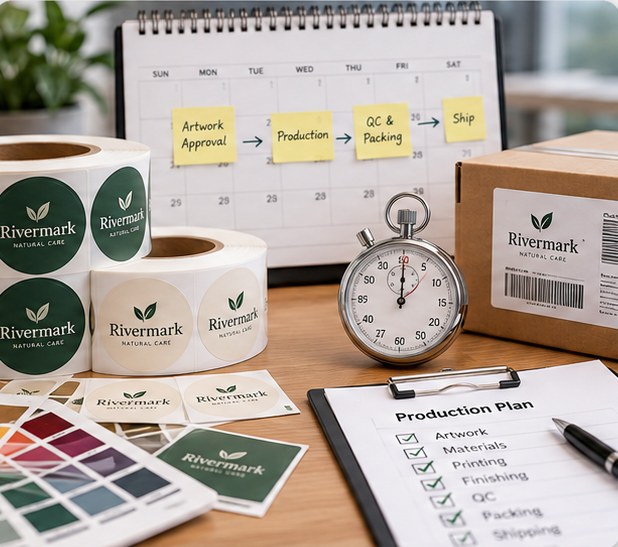
Plan production around approved artwork, materials, SKU structure, finishing, QC, packing, and the required ship date.
Philiton has manufactured custom labels and stickers since 2016, with Shenzhen and Dongguan operations, 12,000+ ㎡ space, 200+ employees, and 91 technical, production, and quality personnel.
  • Standard bulk: commonly 5-10 business days after release conditions
  • Repeat orders: commonly 3-7 business days when specifications remain unchanged
  • Rush production: around 2-5 business days for compatible projects
Lead Time Production Scheduling for Custom Labels Stickers

Production Planning for Brands With Real Scheduling Pressure

Different programs fail for different timing reasons. Philiton plans around launch dates, replenishment cycles, production-line requirements, SKU complexity, material supply, finishing routes, and the point at which an order is actually ready for release.

Established Consumer Brands

Established brands usually manage several launch dates, approved packaging versions, seasonal campaigns, and repeat replenishment at the same time. Philiton schedules these programs around artwork status, common material platforms, finishing steps, approved references, and required ship dates. Stable repeat items can reuse controlled specifications, while new versions remain separate until artwork, material, and production conditions are locked. The objective is not simply a short quoted lead time; the schedule must remain usable when several SKUs move through production together.

Manufacturers and OEM Programs

Manufacturers and contract packers need labels to arrive before filling, packing, assembly, or labeling lines are scheduled. Philiton therefore reviews roll direction, core size, maximum roll diameter, gap, pitch, liner width, labels per roll, variable-data rules, and packing requirements before production release. A label that arrives quickly but cannot run on the applicator can create more downtime than a longer, properly planned schedule. Production timing is built around both the label specification and the receiving line.

Growing Multi-SKU Brands

Growing brands often add scents, flavors, sizes, languages, limited editions, or marketplace versions faster than their label program was originally designed to handle. Philiton can organize compatible SKUs around shared materials and production routes while keeping artwork, quantity, version, QC identity, and packing separate. Digital printing supports many short-run and multi-version programs, while larger stable volumes can move to other production routes when appropriate. The schedule changes as SKU count, artwork changes, finishing complexity, and replenishment frequency increase.

Distributors and Packaging Partners

Distributors, print brokers, packaging companies, and channel partners often coordinate several end projects with different due dates. Philiton can support white-label manufacturing, neutral packing, blind-shipping arrangements, separate SKU identification, and recurring project files where agreed. Scheduling becomes easier when each release includes quantity, approved artwork, material, finishing, roll specification, destination, and need-by date. For recurring programs, retained specifications and tooling information can reduce redevelopment work without removing normal order review and quality checks.

Lead Time and Production Scheduling Are Different Controls

A reliable delivery plan starts by separating elapsed project time from factory scheduling. Philiton defines the production clock only after the required commercial, technical, material, and approval conditions are ready.

Lead Time

Lead time is the total elapsed time needed to move a label project from a defined starting point to a defined end point. The starting point must be clear. A quotation request, artwork upload, sample approval, production release, factory ship date, and arrival date are not interchangeable milestones. Philiton evaluates artwork readiness, sample approval, material availability, tooling, printing process, quantity, finishing, QC, packing, and shipment conditions. Special materials, RFID, security structures, late approvals, or design changes can extend the elapsed schedule even when press time itself is short.

Production Scheduling

Production scheduling is the controlled placement of an approved job into material preparation, printing, finishing, die cutting, slitting or rewinding, functional verification, final inspection, packing, and shipment release. Philiton schedules from actual order inputs: SKU count, quantity, material, print route, finishing, tooling, variable data, roll specification, need-by date, and any split-shipment request. A production slot cannot solve an unfinished artwork file or missing special material. The schedule works only when each dependency is identified before the next operation is released.

Label Products Create Different Scheduling Requirements

Philiton produces labels, stickers, tags, security products, and smart-label formats with different material, tooling, print, conversion, testing, and packing needs. Product structure changes the schedule before quantity alone does.

Custom Roll Labels

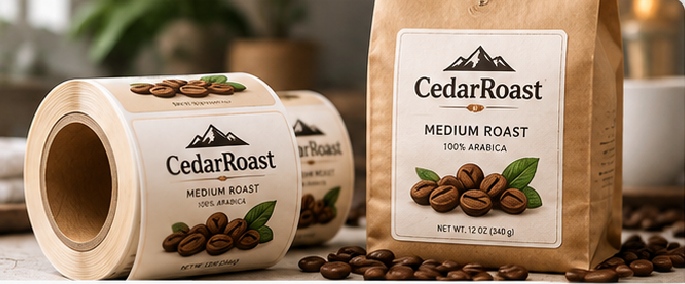
Roll labels require more than artwork and quantity. Production planning includes liner width, gap, pitch, core size, maximum roll diameter, roll direction, labels per roll, and applicator requirements. Slitting and rewinding become part of the controlled production route, so final roll specifications must be approved before release. Standard paper or film constructions usually schedule more easily than programs using special adhesives, unusual liners, complex finishing, or tightly controlled automatic-labeling dimensions.

Packaging Labels

Packaging labels for bottles, jars, pouches, boxes, cans, and containers are scheduled around the package surface and intended labeling method. A simple paper box label may move through a short route, while a clear bottle label can require white ink, transparent adhesive, application testing, and stricter surface protection. Wet, oily, refrigerated, or curved packaging may also require material and adhesive validation before the production clock is treated as stable.

Die-Cut Stickers

Die-cut stickers add shape control, cutting setup, waste stripping, and packing choices to the print schedule. Standard shapes may use existing tooling when suitable, while new dimensions or complex outlines can require dedicated cutting preparation. Kiss-cut sheets, individual stickers, and roll-delivered die-cut stickers follow different finishing paths. Artwork should define the final contour, bleed, safe area, and any separation between print and cut before the job enters production.

Clear Labels

Clear BOPP and clear PET labels need scheduling space for transparent material control, white-ink setup where required, registration checks, surface inspection, and clean packing. The same artwork can look different on clear glass, colored PET, or high-gloss packaging because the container becomes part of the visible construction. For no-label-look programs, Philiton prefers approval on the actual or representative container before mass production, especially when white ink, varnish, or lamination is involved.

Foil and Premium Labels

Hot foil, cold foil, embossing, debossing, raised UV, spot UV, and textured effects add independent preparation and registration steps. A premium label can therefore require more scheduling gates than a standard CMYK job of the same quantity. Foil plates, embossing tools, specialty papers, and finish compatibility should be confirmed before the production slot is treated as final. The approved sample becomes important when metallic detail, fine lines, or layered finishes are visually critical.

Holographic Labels

Holographic labels may use stock holographic films, printed holographic effects, or project-specific security constructions. Scheduling depends on whether the material is already available, whether a custom pattern or origination step is required, and whether the finished label also includes serial data, QR codes, VOID features, or tamper evidence. Special holographic materials can create supplier lead time that cannot be removed simply by adding press priority inside Philiton.

Thermal Labels

Direct thermal and thermal-transfer labels are highly repeatable consumables, but machine compatibility still controls the schedule. Material, adhesive, roll direction, core, maximum diameter, pitch, liner behavior, and printer or applicator requirements should be locked before production. High-volume thermal programs can be efficient once the specification is stable, while a new size, sensor mark, perforation, or liner requirement may create a new engineering and conversion step.

Barcode and QR Labels

Barcode and QR labels add data and verification requirements to ordinary print control. Scheduling can include barcode size review, quiet-zone checks, print contrast, variable-data preparation, duplicate or omission control, scanning verification, and batch mapping. A phone scan alone is not a substitute for defined print-quality checks. Large logistics programs may also require fixed labels-per-roll, carton identification, sequential ranges, and warehouse-specific packing rules before the order is released.

Industrial PET Labels

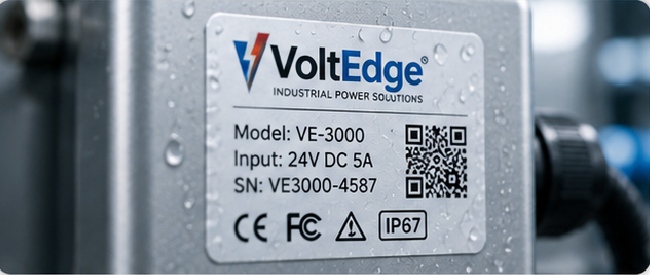
Industrial PET labels often need durable face material, high-tack adhesive, protective lamination or varnish, variable information, and application testing on metal, coated surfaces, plastics, or equipment housings. Oil, cleaning chemicals, abrasion, and temperature changes can affect both material selection and verification. The schedule therefore includes more than printing. Material approval, adhesive testing, protective finishing, variable-data control, and final inspection must be aligned with the equipment identification requirement.

Tamper-Evident Labels

VOID, destructible, security-seal, and tamper-evident labels must be tested on the intended surface because opening behavior changes with substrate, adhesive, dwell time, and construction. Serial numbers, hidden codes, holographic features, or QR tracking can add separate data and verification steps. Philiton does not treat tamper evidence as a purely decorative finish. Material behavior and approval testing are part of scheduling before the mass-production slot is fixed.

RFID and NFC Labels

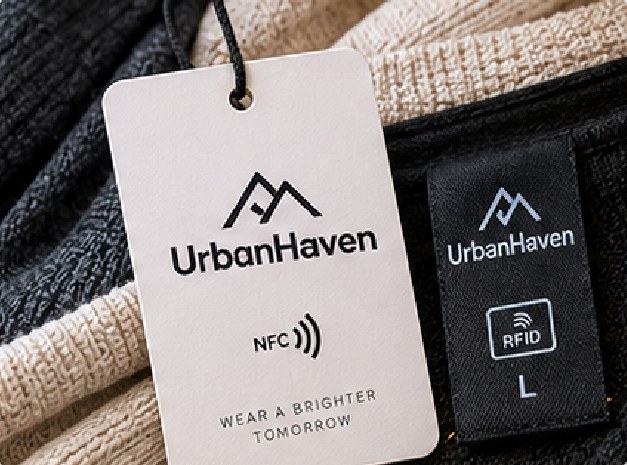
RFID and NFC projects combine a physical label with an electronic function. Scheduling can include inlay sourcing, label construction, encoding rules, variable printing, data matching, read/write verification, bad-tag isolation, replacement logic, and batch packing. Exact inlay and chip requirements are project-specific. Stock components may support a shorter path, while custom inlays, special encoding, or application-specific testing create a longer route than ordinary printed labels.

Multi-SKU Product Labels

Multi-SKU product labels require disciplined version management even when every SKU shares the same material and finish. Each artwork needs its own approved file, quantity, identification, and packing instruction. Shared materials can reduce changeovers, yet 10, 20, or more SKUs still increase file review, plate or digital job setup, counting, separation, carton mapping, and shipment control. Philiton plans the program as a matrix rather than treating the total quantity as one undivided job.

Where Time Is Actually Used Before Labels Ship

A useful schedule separates preparation, approval, manufacturing, inspection, packing, and transport. Philiton tracks each stage because delays usually come from dependencies between stages rather than from printing alone.

The Project Clock Starts Before Press Time

A label program begins with information quality. Philiton first reviews size, shape, quantity, SKU count, material direction, application surface, artwork, finishing, delivery format, destination, and required date. Missing technical information can hold a job before any press slot matters. The next gates are artwork and specification control. Production-ready vector files are preferred because dimensions, bleed, dielines, fonts, linked images, barcode or QR placement, white-ink layers, foil areas, and embossing layers can be checked before production. A proof or sample is then used to lock the version, material, adhesive, print target, finishing, die cut, and roll format where relevant. Material and tooling readiness are separate from artwork readiness. Standard stocked constructions can move quickly, while special paper, custom adhesive, RFID inlays, holographic materials, dedicated dies, foil tools, or embossing tools can add preparation time. Production scheduling should therefore show which gate is waiting: artwork, approval, material, tooling, or machine capacity. Treating all waiting time as “factory production” hides the real cause and creates avoidable delivery disputes. A better timeline identifies the owner of each open item, the expected completion point, and the exact condition needed to move forward. That makes schedule updates more useful than a single undifferentiated countdown for the whole order.

From Approved Specification to Ready-to-Ship

After release conditions are met, the job moves through the manufacturing route selected for the specification. The route may include digital, flexographic, screen, UV, thermal, variable-data, security, or RFID-related processing. Printing is followed by the required finishing and converting steps such as varnish, lamination, foil, embossing, die cutting, waste stripping, slitting, rewinding, counting, and SKU separation. Quality gates stay inside the schedule. Incoming material confirmation, first-article review, in-process inspection, functional verification where required, final inspection, and outgoing checks are not treated as optional “extra time.” They are part of controlled production. Rush projects may compress queue time and internal handoffs, but essential validation and release steps remain. Packing and transport are then handled separately. Roll, sheet, individual-piece, or fanfold formats need different protection and counting. After QC and packing are complete, internal shipment handover can normally be arranged promptly, while courier, air, sea, customs, appointment delivery, and destination handling remain transport variables. Philiton therefore distinguishes production lead time from transit time and from the final arrival date. For launch programs, the working timeline can also show the latest safe approval date and the latest safe factory dispatch date, helping the project team see where a late decision would begin to threaten the required arrival window. 

Typical Planning Windows for Different Label Programs

Project TypeTypical Planning WindowSchedule Can Start WhenMain Variables
Standard bulk labelsAbout 5-10 business daysArtwork/specification approved, materials ready, order releasedSize, colors, print route, finishing, SKU count, QC, packing
Rush compatible productionAbout 2-5 business daysArtwork frozen, common materials available, tooling and machine loading allow priorityQuantity, finishing, new tooling, special testing, current load
Unchanged repeat orderCommonly 3-7 business daysPrevious approved specification is confirmed and materials are availableMaterial lot, tooling condition, color target, changed packing or quantity
Regular large orderAbout 7-15 business daysSpecification and material plan are lockedTotal print area, roll count, finishing, inspection and packing volume
Complex large or multi-SKU programAbout 10-20 business days or split productionSKU matrix, material plan, artwork versions and release priorities are approvedChangeovers, version count, finishing routes, packing map, split delivery
RFID with standard available componentsAbout 7-15 business daysInlay/chip, frequency, dimensions, encoding and test rules are confirmedInlay supply, encoding, read/write verification, data handling
Custom RFID or advanced encodingAbout 15-30 business daysComponent sourcing and data workflow are definedCustom inlay/chip, programming, security rules, testing and approval
Special material procurementCommonly adds about 5-15 business daysExact stock, adhesive, thickness and supplier route are confirmedSupplier inventory, MOQ, coating, domestic transport
Imported or rare materialOften 2-4 weeks or longerSupplier availability and import route are confirmedInternational supply, MOQ, customs, material qualification
Standard digital sampleAbout 1-3 business daysArtwork and standard material are readyNumber of designs, material, finish and proof purpose
Complex sample or production-style sampleAbout 5-10 business daysSpecial material/tooling/process route is confirmedFoil, embossing, RFID, special adhesive, dedicated tooling

Material Availability Can Move the Schedule Before Printing Starts

Philiton sources base label materials from qualified external supply channels, then handles selection, printing, converting, finishing, inspection, testing, and project control. Material choice affects both performance and production readiness.
Coated and semi-gloss papers are common for dry packaging, retail products, general branding, and cost-controlled applications. Standard constructions are usually easier to source and schedule than highly specialized stocks.

Coated Label Paper

Coated and semi-gloss papers are common for dry packaging, retail products, general branding, and cost-controlled applications. Standard constructions are usually easier to source and schedule than highly specialized stocks. Timing can still change with adhesive requirements, custom colors, foil, embossing, or large-volume demand. Philiton confirms paper surface, adhesive, print route, finish, and final format together because a familiar face material does not automatically mean every construction is available from stock.

Kraft, textured, uncoated, hemp-style, and specialty papers create a distinctive tactile appearance, but surface texture and absorbency affect ink, fine detail, foil, embossing, and color appearance.

Uncoated and Textured Paper

Kraft, textured, uncoated, hemp-style, and specialty papers create a distinctive tactile appearance, but surface texture and absorbency affect ink, fine detail, foil, embossing, and color appearance. Common papers can enter production smoothly when available; imported or unusual textures may require supplier confirmation first. Philiton prefers to sample the actual paper when the visual result is important, because a screen proof cannot show how ink density, foil edges, or embossing behave on the chosen surface.

White BOPP is widely used for bottles, jars, food, beverages, cosmetics, home-care products, and moisture-exposed packaging. It combines a printable white surface with film durability, but the finished performance still depends on adhesive, ink, lamination or varnish, container surface, and use environment.

White BOPP Film

White BOPP is widely used for bottles, jars, food, beverages, cosmetics, home-care products, and moisture-exposed packaging. It combines a printable white surface with film durability, but the finished performance still depends on adhesive, ink, lamination or varnish, container surface, and use environment. Standard BOPP constructions can support efficient scheduling; freezer, low-surface-energy, oil-resistant, or special removable requirements may move the job into a different adhesive and validation path.

Clear BOPP supports transparent bottle labels and no-label-look designs. Scheduling should include transparent adhesive selection, white-ink planning where opacity is needed, registration checks, and clean handling because haze, dust, scratches, or bubbles are more visible.

Clear BOPP Film

Clear BOPP supports transparent bottle labels and no-label-look designs. Scheduling should include transparent adhesive selection, white-ink planning where opacity is needed, registration checks, and clean handling because haze, dust, scratches, or bubbles are more visible. Philiton evaluates the label on the actual or representative container whenever appearance is critical. A clear-film job can therefore need more approval work than a similar white-film label even when the printed area and quantity are identical.
PET is suited to higher-durability applications including industrial identification, electronics, equipment labels, demanding packaging, and some higher-temperature or chemical-exposure environments.

PET Film

PET is suited to higher-durability applications including industrial identification, electronics, equipment labels, demanding packaging, and some higher-temperature or chemical-exposure environments. Exact performance depends on the selected grade, adhesive, print system, protective finish, and application surface. PET itself does not create a fixed lead time. Standard grades may be readily available, while specialized constructions can need additional sourcing or testing. Philiton schedules material confirmation before locking production for high-risk applications.

PE and other flexible films can suit squeezable containers and applications where the label must move with the package. Material flexibility, adhesive behavior, surface treatment, ink adhesion, and finishing compatibility affect the final construction.

PE and Flexible Films

PE and other flexible films can suit squeezable containers and applications where the label must move with the package. Material flexibility, adhesive behavior, surface treatment, ink adhesion, and finishing compatibility affect the final construction. A flexible label route should be reviewed against the actual package rather than selected by appearance alone. Special film or adhesive combinations may need sample validation, especially when the container bends, is exposed to moisture, or has a low-surface-energy surface.
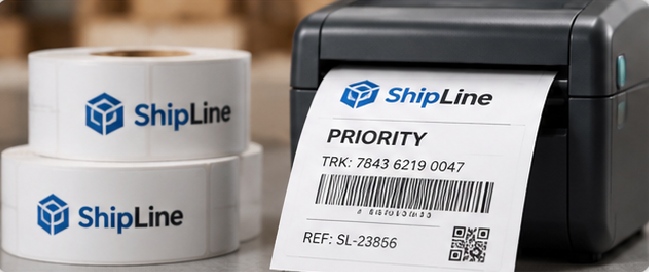
Direct-thermal and thermal-transfer papers or films are selected according to printer technology, durability, environment, barcode requirements, and adhesive conditions.

Thermal Label Materials

Direct-thermal and thermal-transfer papers or films are selected according to printer technology, durability, environment, barcode requirements, and adhesive conditions. A standard warehouse or shipping label may use a familiar route, while long-life industrial identification may need a film facestock, ribbon compatibility, protective construction, or stronger adhesive. Production planning also includes roll direction, core, roll diameter, pitch, liner, and printer specifications, so material approval and equipment compatibility should be treated as one scheduling decision.
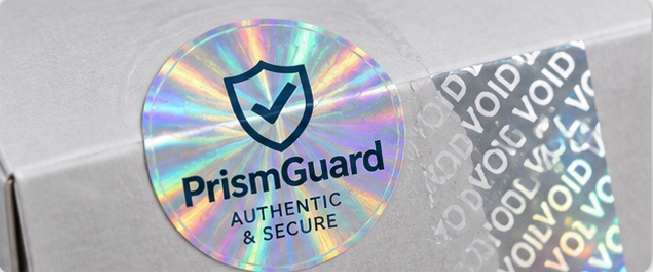
Holographic films, VOID constructions, destructible films, security facestocks, RFID inlays, and other specialty materials are more project-dependent than common paper or BOPP. Supplier MOQ, origination, chip or inlay availability, tamper behavior, and data requirements can add time before printing starts.

Holographic and Security Materials

Holographic films, VOID constructions, destructible films, security facestocks, RFID inlays, and other specialty materials are more project-dependent than common paper or BOPP. Supplier MOQ, origination, chip or inlay availability, tamper behavior, and data requirements can add time before printing starts. Philiton confirms the actual structure and approval method first. Special-material lead time is one of the clearest examples of why an urgent production slot cannot replace a missing upstream component.
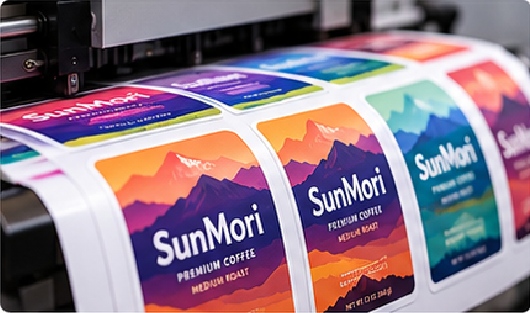
Adhesives, Liners and Roll Specifications Also Control Timing

Supporting components are part of the label specification, not late-stage packing details. Philiton checks adhesive behavior, liner, core, roll geometry, direction, and machine marks before release when they affect use or equipment compatibility.

Permanent and High-Tack Adhesives

Permanent adhesive is common, but surface energy, roughness, curvature, contamination, oil, temperature, and dwell time determine whether a standard construction is suitable. PP, PE, and HDPE can require stronger or specially formulated adhesive systems. When the surface is difficult, Philiton may recommend an application test before mass production. That validation should happen before the production slot is treated as firm, because changing adhesive after approval can reset material sourcing and sample requirements.

Removable and Repositionable Adhesives

Removable and repositionable constructions are chosen where clean removal, temporary placement, or controlled repositioning is important. Clean removability depends on the substrate, dwell time, temperature, surface finish, and adhesive system. A removable label for glass can behave differently on painted metal or plastic. Philiton therefore treats removability as a testable project requirement rather than a generic material name. New tests or special adhesive sourcing can add schedule time before the final specification is released.

Freezer and Low-Temperature Adhesives

Low-temperature projects need a clear distinction between application temperature and service temperature. A label may be stored in a freezer after bonding but still fail if it is applied below the adhesive’s workable application range. Philiton reviews package material, condensation, moisture, application conditions, storage temperature, and dwell time when selecting a freezer-oriented construction. If a special adhesive must be sourced or validated, the material gate becomes part of lead-time planning rather than a last-minute production adjustment.

Release Liner Selection

Glassine, paper, PET, and other release liners influence die cutting, dispensing, waste stripping, stiffness, roll build, and automatic application. The liner is especially important for high-speed labeling, small labels, clear films, thick constructions, and tight die-cut requirements. Philiton confirms the liner together with face material, adhesive, die-cut depth, gap, pitch, and machine requirements. A liner change can affect both conversion settings and finished-roll behavior, so it is controlled as part of the production specification.

Core Size and Roll Diameter

Core diameter and maximum finished-roll diameter determine how the roll fits the applicator, printer, dispenser, or packing system. More labels per roll create a larger outside diameter, while thicker materials and laminates build roll diameter faster. Philiton confirms core, maximum OD, liner, label pitch, and labels per roll together. These values should be approved before slitting and rewinding; discovering a machine limitation after production can force rewinding or repacking and create avoidable schedule disruption.

Direction, Gap and Sensor Marks

Roll direction defines artwork orientation and the leading edge as the label unwinds. Gap and pitch affect machine indexing and sensor detection, while black marks, perforations, or registration marks may be required by specific equipment. Philiton checks roll direction, inside or outside wound construction, gap, pitch, perforation position, mark size, and sensor requirements before mass production. These details are small on a drawing but can decide whether the finished roll runs correctly at the receiving line.

Artwork, Samples, Plates and Tooling Define Release Readiness

Development is not separate from scheduling. Philiton uses artwork review, physical samples, production references, plates, dies, and finish tooling to remove uncertainty before bulk labels enter the main production queue.

Artwork and Proof Engineering Before Production Release

Philiton prefers production-ready vector PDF, AI, EPS, or equivalent vector artwork because the file must control more than the visible design. Prepress review checks finished dimensions, bleed, dieline, safe area, fonts, linked images, image resolution, CMYK or spot-color structure, white-ink layers, foil or embossing layers, barcode and QR placement, variable-data fields, and other manufacturing information. If artwork is not production-ready, Philiton can identify issues and prepare a production proof for approval. The objective is to freeze one controlled version before production. A last-minute text change may appear small on screen but can affect artwork versioning, plates, variable data, proof approval, and SKU packing records. For multi-SKU programs, file naming and version control become part of schedule control. Philiton keeps each SKU’s artwork and quantity separate even when the products share material and finishing. A clean artwork matrix reduces the chance of producing an obsolete language, flavor, size, regulatory version, or barcode. Production time becomes more predictable when the approved file is unambiguous before materials and machine slots are committed. For regulated or multilingual products, Philiton can also separate market versions and barcode files in the approval record so a later legal-text correction does not silently overwrite an already released production version.

Samples, Plate Making, Dies and Finish Tooling

Samples are used to confirm size, material, adhesive behavior, printed appearance, finishing, die cut, roll configuration, and application performance before bulk production. Philiton’s operating fact base uses about 1-3 business days for straightforward digital samples with standard materials, while complex samples may be evaluated around 5-10 business days when special materials, foil, embossing, RFID, special adhesive, or dedicated tooling are involved. Sample production does not always use exactly the same setup as mass production. A digital proof can validate artwork and color direction without creating traditional printing plates, while flexographic or other conventional routes may require plates for the final bulk process. Die-cutting tools, foil tools, embossing tools, or special security components are also project-specific. Their necessity depends on size, shape, artwork, process, and available tooling. Repeat orders can be faster when approved artwork, material, adhesive, tooling, color target, roll specification, and packing remain unchanged. Reuse is not assumed forever. Tooling condition, process changes, material changes, or design changes can require a new review. Philiton therefore treats approved samples and tooling records as controlled production assets rather than shortcuts around normal QC. When a repeat program changes only one variable, the review can focus on the changed element while preserving the other locked references, which reduces unnecessary redevelopment without pretending that every reorder is identical.

Printing and Finishing Routes Change the Production Sequence

Brand appearance and scheduling are linked. Philiton selects the print and finishing route according to quantity, SKU count, material, color structure, visual target, variable data, tooling, and repeat-production requirements.
Digital printing is a strong route for samples, launch runs, many artwork versions, short production, and projects that change frequently.

Digital Printing

Digital printing is a strong route for samples, launch runs, many artwork versions, short production, and projects that change frequently. It avoids traditional plate making for suitable jobs and can reduce front-end setup when files and materials are ready. Digital scheduling is still affected by color control, white ink, finishing, die cutting, SKU separation, and packing. As quantities grow, Philiton can review whether another route offers better production economics without changing the approved product specification unnecessarily.
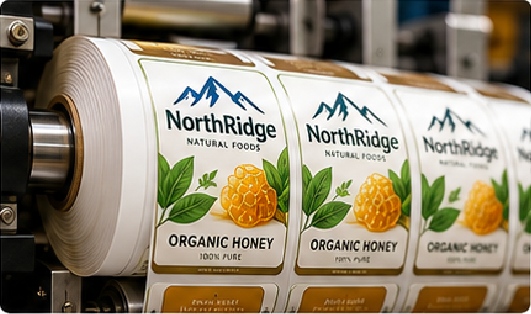
Flexographic printing supports stable roll-label production and larger repeat volumes.

Flexographic Printing

Flexographic printing supports stable roll-label production and larger repeat volumes. The route can be efficient when material, artwork, colors, and quantities are stable, but plate preparation, press setup, color control, changeovers, inline or offline finishing, and roll conversion must be planned. Multi-SKU jobs with frequent artwork changes create more setup than one long single-SKU run. Philiton therefore evaluates total order structure rather than deciding a schedule from label count alone.

Screen and UV processes are useful where opaque white, specialty inks, stronger ink deposits, film printing, varnish, or specific visual effects are required.

Screen and UV Printing

Screen and UV processes are useful where opaque white, specialty inks, stronger ink deposits, film printing, varnish, or specific visual effects are required. Additional layers can mean additional setup, curing, registration, or finishing checks. A visually simple logo may use a more involved route when the material or opacity requirement is demanding. Philiton reviews the final construction so the effect is scheduled together with downstream die cutting, lamination, or protective finishing instead of as an isolated press task.

White ink is a structural part of many clear, metallic, and colored-material designs.

White Ink and Clear Effects

White ink is a structural part of many clear, metallic, and colored-material designs. It controls opacity, color appearance, readable text, and the no-label-look effect. White-ink areas should be defined in artwork and checked during proofing because adding or changing the white layer can alter press setup and registration. Philiton schedules white-ink work with the selected material and finish, then inspects coverage and alignment before the job continues to converting and packing.

Hot foil, cold foil, embossing, debossing, raised UV, spot UV, textured varnish, and soft-touch finishes can add tooling, registration, curing, or separate machine steps.

Foil, Emboss and Spot Effects

Hot foil, cold foil, embossing, debossing, raised UV, spot UV, textured varnish, and soft-touch finishes can add tooling, registration, curing, or separate machine steps. Fine lines, small type, curved packaging, and layered effects may require a physical sample before release. Philiton coordinates these effects with the print base, material, die line, and finished label shape. The schedule therefore reflects the number and dependency of operations rather than only the decoration name.
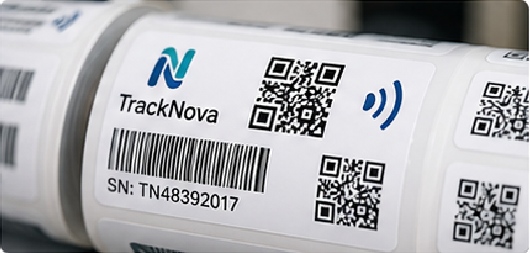
Serial numbers, QR codes, barcodes, unique codes, RFID encoding, and other variable information add a data workflow to the physical print route.

Variable Data and RFID

Serial numbers, QR codes, barcodes, unique codes, RFID encoding, and other variable information add a data workflow to the physical print route. Philiton controls source files, print batches, stoppage and restart points, duplicate or missing-code risks, reprint logic, verification, and batch identification according to the project. RFID adds component sourcing and read/write checks. Data approval and functional verification must be completed before the corresponding production release is treated as finished.

Philiton Builds the Schedule Around Controlled Milestones

Production planning starts with complete inputs and moves through release gates. Philiton uses milestones to show what is ready, what is waiting, and which dependency can block the next operation.

Scheduling Inputs Before a Production Slot Is Assigned

Philiton reviews the order as a production package rather than a purchase quantity alone. Core inputs include SKU, quantity, finished size, material, adhesive, application surface, printing method, colors, white ink, finishing, tooling, variable data, roll or sheet format, roll direction, core, maximum roll diameter, labels per roll, packing, destination, required ship date, and any split-shipment request. Those inputs determine whether several SKUs can share material preparation or whether they require separate routes. A group of labels that uses the same BOPP, adhesive, print platform, and laminate may be planned more efficiently than a mixed program combining textured paper, clear film, foil, RFID, and special freezer adhesive. Shared inputs reduce certain changeovers, but they never remove the need to control each SKU’s artwork, quantity, inspection identity, and packing. The need-by date is also defined precisely. Philiton distinguishes factory-ready date, ship date, and requested arrival date. International courier, air freight, sea freight, customs, appointment delivery, and local handling occur after production and can change the arrival plan. Scheduling begins with a date definition both sides can use. For large programs, Philiton can also record priority SKUs, partial-release quantities, and the point at which the first usable batch is required, because one staged launch date may be more important than the completion date of the final carton.

Milestones Keep Production Dependencies Visible

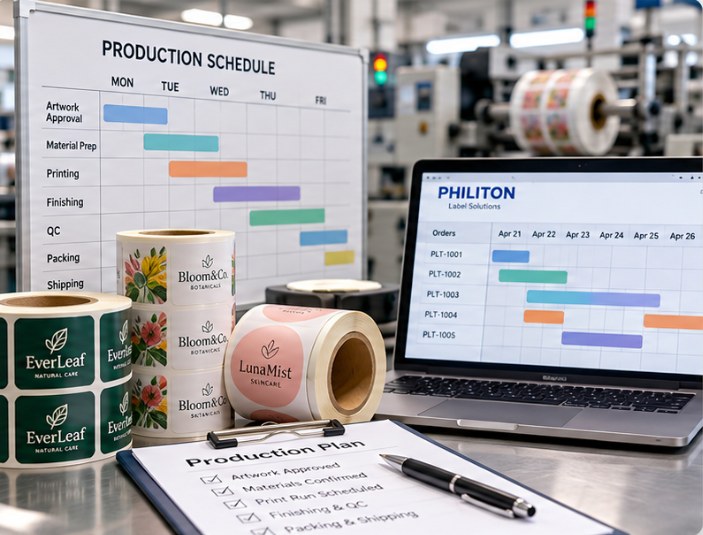
Philiton’s scheduling logic can be read as a sequence of controlled states: Artwork Lock, Material Ready, Tooling Ready, Print Slot, Finishing Slot, Converting or Rewinding, QC Release, Packing Release, and Ready to Ship. The sequence can branch for digital, flexographic, RFID, security, thermal, or special-finishing work, but every downstream stage depends on a defined upstream output. Artwork cannot move into final production with unresolved dimensions or versions. A print slot cannot consume a special material that has not arrived and passed incoming checks. Die cutting cannot use an unfinished or unsuitable tool. RFID cannot be released without agreed data and verification logic. Packing cannot begin correctly when SKU separation, roll count, core, roll direction, or carton identification remain undefined. Cross-functional coordination supports the schedule. Sales and project coordination capture the commercial requirement; artwork and engineering convert it into a production specification; production planning assigns materials, equipment, and sequence; skilled operators run printing and converting; IQC, IPQC, FQC, OQC, and laboratory or functional checks control release; packing and logistics complete the handover. A schedule is therefore an operating chain, not a date entered beside an order number. Status updates are more meaningful when they use controlled production states such as Awaiting Artwork, Material Confirmed, Tooling, Printing, Finishing, QC, Packing, and Ready to Ship. The same language can be used by sales, production, quality, and logistics throughout the project. 

Multi-SKU Programs Need More Than One Production Queue

A 20-SKU order is not simply one large quantity divided by 20. Philiton manages artwork, shared materials, changeovers, quantities, QC identity, packing, and shipment mapping as connected scheduling tasks.

Artwork Version Control

Each SKU keeps its own approved artwork, quantity, and identification even when the materials and sizes are shared. Language, fragrance, flavor, size, compliance text, barcode, or promotional changes can create near-identical files that are easy to mix. Philiton uses controlled files and production proofs so the version entering production matches the SKU released for packing. Clean version control shortens decision time and reduces the risk of discovering an obsolete artwork after printing has started.

Shared Material Platforms

Compatible SKUs can sometimes share paper, BOPP, PET, adhesive, laminate, liner, or other common constructions. A common material platform can reduce material changes and simplify purchasing, especially for repeat programs. Philiton still checks each SKU’s print and finishing requirements before grouping work. A transparent SKU with white ink and a paper SKU with foil should not be forced into the same schedule merely because they belong to one brand family.

Print and Finish Changeovers

Every change in artwork, color target, plate set, ink structure, foil, embossing tool, die, varnish, or material can create setup work. Digital production reduces some traditional plate changeovers but still requires controlled file loading, color management, finishing, and SKU separation. Philiton evaluates how many meaningful changeovers exist inside the program. A single-SKU high-volume run may occupy more press time yet remain simpler to schedule than a smaller order with many versions and specialty effects.

Quantity and SKU Matrix

Scheduling becomes clearer when quantity is recorded per SKU rather than as one total. Philiton reviews quantity, labels per roll, carton count, expected release priority, and any minimum shipment requirement for each version. A launch may need the first five SKUs before the remaining range, while replenishment may prioritize one fast-moving product. The SKU matrix allows printing, QC, packing, and shipping decisions to follow the actual commercial priority instead of assuming every item has the same deadline.

SKU Separation and Packing

Production control continues after printing. Different SKUs may need separate rewinding, counting, bags, carton labels, pallet positions, packing lists, or warehouse barcodes. Philiton treats SKU separation as part of production, not a warehouse afterthought. Clear identification reduces picking errors and supports direct warehouse or fulfillment delivery. Mixed-SKU cartons or pallets can be arranged where receiving rules allow, but each version must remain traceable to quantity and batch information.

Split Release and Reorder

Large programs can be planned for one shipment or staged release. Split production or split shipment can support launches, stockout recovery, regional priorities, or capacity smoothing when the project allows it. Philiton confirms which SKUs, quantities, and dates belong to each release. For repeat orders, retained approved files, specifications, tooling records, and reference samples can reduce redevelopment work when nothing changes. A changed material, adhesive, pack format, or artwork returns the affected SKU to review.

Rush, Repeat, Large and Peak Orders Follow Different Rules

Production speed depends on what can be reused, what must be sourced, and how many operations are still open. Philiton evaluates urgent and high-volume programs by readiness and risk, not by a blanket fast-delivery promise.

Rush Production

Rush production is evaluated when artwork is frozen, suitable materials are available, tooling can be completed or reused, machine loading allows priority, and the required finishing and QC steps can still be completed correctly. Philiton can compress queue time, handoffs, and certain preparation windows, but does not remove necessary functional verification, sample approval, first-article control, or final inspection. The required date must also specify whether it means ready to ship, factory dispatch, or arrival at destination.

Repeat Fast Track

An unchanged repeat order can move faster because artwork, material, adhesive, die line, printing target, tooling, roll specification, and packing have already been defined. Philiton still reviews the new PO, material availability, current machine loading, tooling condition, and any hidden change in quantity or destination. Repeat production does not mean automatic release without checks. The faster path comes from reduced redevelopment and controlled historical references, not from skipping incoming, in-process, or final quality control.

Large-Volume Production

Large volume changes the schedule through total printed area, number of rolls or sheets, SKU count, finishing passes, inspection load, rewinding, counting, and packing volume. A 100,000-piece single-SKU roll label can be easier to sequence than 100,000 pieces divided across 20 SKUs with foil and variable data. Philiton can review staged manufacturing or split delivery when it reduces launch or inventory risk, while maintaining batch identification and approved specifications across the program.

Forecast and Peak Planning

Seasonal launches, promotion periods, concentrated replenishment, and several overlapping large projects require earlier planning rather than unlimited overtime. Philiton can use forecast information to review material readiness, priority SKUs, shared constructions, production windows, and split-delivery options. Common materials are easier to buffer than special RFID, holographic, imported, or custom-coated structures. Early forecasts improve the chance of locking materials and capacity before demand peaks, while final release quantities and dates remain project-controlled.

Quality Gates Stay Inside Every Production Schedule

Philiton organizes quality control across incoming materials, first article, in-process inspection, finishing, functional checks, final inspection, and outgoing release. Speed does not remove the checks needed by the approved specification.

Incoming Material Control

Materials arriving for production are checked against the project identity, specification, batch, appearance, and relevant requirements before use. Face material, adhesive construction, liner, special film, RFID inlay, foil, or other components can affect both product performance and the production route. Incoming control is especially important for repeat programs because a new supplier lot or changed material structure can create a hidden difference even when the artwork is unchanged. Material release therefore remains part of schedule readiness.

First-Article Approval

The first acceptable production output provides an early check before a full run continues. Philiton can review print content, color direction, dimensions, die cut, finishing, registration, variable data, roll orientation, and other project-specific features. First-article control catches setup problems while correction is still contained. Rush production does not remove this logic; compressing a schedule by allowing an unchecked setup to run can turn a timing problem into a full-batch rework problem.

In-Process Inspection

IPQC monitors production while printing, finishing, die cutting, slitting, rewinding, or other conversion operations are running. The inspection focus depends on the product: color and registration for brand labels, die-cut stability for roll labels, variable-data accuracy for serialized work, tamper behavior for security structures, or roll build for automatic application. In-process control allows a deviation to be isolated before it reaches the full order, supporting both quality and schedule stability.

Finishing and Conversion Checks

Foil, embossing, varnish, lamination, die cutting, waste stripping, slitting, rewinding, perforation, roll direction, core, outside diameter, and labels per roll can all create downstream problems even when printing is correct. Philiton checks the features required by the approved specification as the product moves through conversion. For automatic application, roll geometry and direction are functional parameters. A finished roll that cannot fit or feed the machine is not considered a successful on-time delivery.

Functional Verification

Barcode, QR, variable data, RFID, tamper-evident, adhesive, and environmental programs may require checks beyond visual appearance. Philiton can perform or coordinate verification according to the agreed project method, including scanning, read/write checks, uniqueness control, application tests, or selected durability tests. Exact performance thresholds are project-specific. Functional verification must be planned before the final due date, particularly when a failed result would require rework, new material, or a changed construction.

Final and Outgoing Release

FQC and OQC confirm the finished product and shipment against the approved artwork, specification, quantity, roll or sheet format, SKU identification, packing, and destination requirements. Cartons can carry SKU, quantity, batch, or warehouse marks as defined. Shipment handover occurs after the product is packed and released. Philiton keeps production QC and international transit separate so the final schedule shows whether a delay belongs to manufacturing, packing, carrier handover, customs, or destination delivery.

Packing Format Affects Rewinding, Counting and Dispatch

Philiton prepares labels in the format required for handling, printing, application, warehouse receiving, or retail use. Final format should be defined before production because it changes conversion, counting, protection, and packing time.
Roll packing requires controlled core size, roll direction, maximum diameter, labels per roll, rewind tension, and protection against crushing, telescoping, moisture, and unwinding.

Roll Labels

Roll packing requires controlled core size, roll direction, maximum diameter, labels per roll, rewind tension, and protection against crushing, telescoping, moisture, and unwinding. Automatic-labeling programs may also need gap, pitch, liner width, black marks, or perforations. Philiton confirms these values before slitting and rewinding. Finished rolls are then identified according to the SKU and quantity requirements so warehouse receiving and production-line use do not depend on manual guesswork.

Sheet labels are useful for hand application, kits, promotional work, small production areas, and projects where roll equipment is not required. Sheet size, labels per sheet, kiss-cut structure, backing stiffness, stacking, and surface protection determine the finishing path.

Sheet Labels

Sheet labels are useful for hand application, kits, promotional work, small production areas, and projects where roll equipment is not required. Sheet size, labels per sheet, kiss-cut structure, backing stiffness, stacking, and surface protection determine the finishing path. Complex shapes or premium surfaces may need interleaving or additional packing protection. Philiton plans sheet conversion and carton packing together so the final quantity and handling method are clear before dispatch.

Individual pieces require cutting, separation, counting, and packing steps beyond a continuous roll or sheet.

Individual Stickers

Individual pieces require cutting, separation, counting, and packing steps beyond a continuous roll or sheet. They may be packed loose, bagged, grouped by SKU, or prepared for retail or promotional distribution. Small die-cut pieces can create more handling time per unit even when the total print area is modest. Philiton includes the individual-piece packing method in scheduling because counting and separation can become a meaningful production task on large quantities.
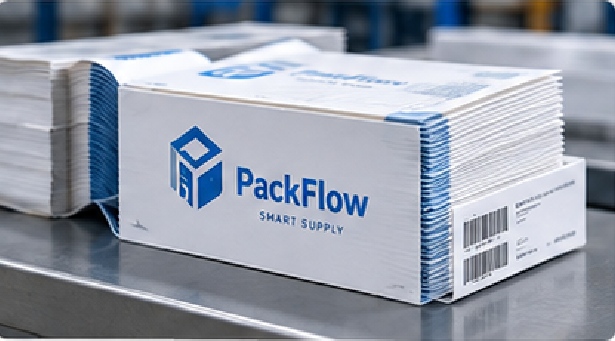
Fanfold and continuous label formats are common in thermal, logistics, warehouse, and data-printing applications.

Fanfold and Continuous Formats

Fanfold and continuous label formats are common in thermal, logistics, warehouse, and data-printing applications. Fold length, pitch, perforation, stack height, sensor marks, liner strength, and printer compatibility should be defined before converting. These formats are not simply rolls without cores. Philiton reviews the receiving equipment and packing method so the finished labels feed consistently and can be stored or distributed without damage to the fold or perforation pattern.

Multi-SKU programs can be packed by roll, bag, carton, pallet, or mixed shipment rules.

SKU-Sorted Cartons

Multi-SKU programs can be packed by roll, bag, carton, pallet, or mixed shipment rules. Philiton can identify cartons by SKU, quantity, batch, serial range, or warehouse barcode where required. Sorting instructions should be approved before final packing begins because regrouping finished goods later adds handling and creates mix-up risk. A clear packing map also supports split shipments, fulfillment centers, contract packers, and distributed receiving locations.
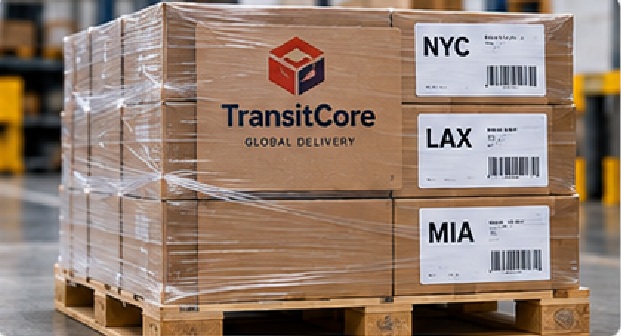
Large or time-sensitive programs can be reviewed for split delivery when early quantities are needed before the complete order is ready.

Split and Direct Shipments

Large or time-sensitive programs can be reviewed for split delivery when early quantities are needed before the complete order is ready. A first release may support a launch or stockout while later quantities follow the agreed production and logistics route. Philiton can also arrange direct shipment to warehouses or fulfillment locations when receiving rules, carton or pallet marks, appointment conditions, customs data, and destination details are provided. Transport timing remains separate from production lead time.

Compliance Documentation Must Fit the Exact Label Construction

Philiton manufactures to approved artwork and defined material requirements, while compliance evidence remains tied to the target market, product use, material structure, test scope, and responsible legal party.

Material Documentation

RoHS, REACH, food-contact, heavy-metal, recycled-content, FSC-related, and other material documentation cannot be treated as universal factory claims. Philiton can support project-specific material documents or third-party testing where the selected material and application require them. The document should match the actual face material, adhesive, ink, laminate, coating, or other construction used in production. A material change can require the evidence package to be reviewed again before the order is released.

Regulatory Artwork Control

Philiton can manufacture approved regulatory text, warnings, ingredient lists, barcodes, serial information, market versions, and other controlled artwork. The brand, manufacturer, importer, responsible person, regulatory adviser, or other legally responsible party confirms which statements and marks are required for the destination market. Philiton controls the approved file and production version rather than deciding the legal content. Multi-market programs should therefore schedule artwork approval and version mapping before printing begins.

Manufacturing Resources Behind Philiton Production Scheduling

Scheduling credibility comes from people, manufacturing steps, quality gates, and coordinated project control. Philiton combines Shenzhen and Dongguan manufacturing operations with internal printing, converting, inspection, testing, and packing capabilities.

Shenzhen and Dongguan Manufacturing

Philiton was founded in 2016 and operates manufacturing in Shenzhen and Dongguan, China. The combined factory and operating footprint is recorded at 12,000+ ㎡. The two-location manufacturing structure supports a broader mix of printing, converting, finishing, inspection, testing, warehousing, and project activity than a single small print room. Scheduling is still confirmed by actual machine load, material readiness, process route, and project priority rather than by treating floor area as a promise of unlimited capacity.

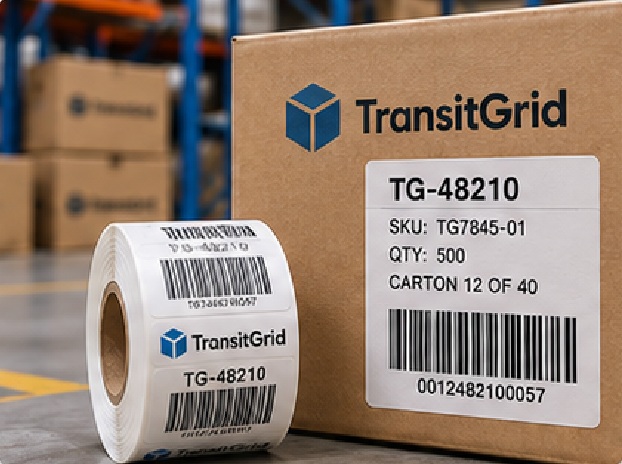
200+ Employees and 91 Core Professionals

Philiton employs more than 200 people. The confirmed core group includes 91 technical professionals, experienced production operators, and quality personnel supporting artwork, prepress, color, product and process engineering, digital and flexographic printing, screen printing, RFID, equipment, press operation, die cutting, slitting, foiling, embossing, IQC, IPQC, FQC, OQC, and laboratory work. The value of the team is cross-functional execution: scheduling can assign responsibility to the function that controls each milestone instead of relying on one salesperson to manage every technical decision.

Print-to-Finish Manufacturing Chain

Philiton’s internal manufacturing value is concentrated in material selection, artwork and prepress, printing, converting, specialty finishing, inspection, testing, production management, and shipment preparation. Capabilities cover digital, flexographic and other label printing, screen and UV processes, variable data, foil, embossing and debossing, holographic and security processing, lamination, die cutting, waste stripping, slitting and rewinding, automatic inspection, laboratory testing, packing, and smart-label processing. Base papers, films, adhesives, foils, and specialty substrates are sourced externally rather than presented as Philiton-made raw materials.

Cross-Functional Project Coordination

Complex programs move through sales and project coordination, artwork and engineering, sampling and prepress, production planning, press and finishing, in-process quality, final or functional verification, packing, logistics, and reorder control. Philiton’s internal fact base also records project-coordination roles for complex, multi-SKU, RFID, security, new-product, and medium-to-large programs. The schedule therefore connects milestones, responsible functions, sample or approval gates, risk items, changes, and delivery planning. A usable timeline depends on that coordination as much as on individual equipment speed.

Representative Scheduling Cases Across Different Project Structures

Philiton uses anonymized representative project profiles to show how scheduling changes with materials, SKU count, equipment requirements, data, and QC. No named-client endorsement or commercial performance result is implied.
United States Multi-SKU DTC Launch

United States Multi-SKU DTC Launch

A U.S. e-commerce and DTC program can involve 10-30 SKUs at roughly 500-5,000 labels per SKU, creating a program total well above 1,000 pieces even when each version remains a short run. The production route is mainly digital when frequent artwork changes and low per-SKU quantities make traditional setup inefficient. Philiton groups compatible paper or BOPP materials, checks artwork versions and variable text in one controlled review, then separates QC and packing by SKU. Timing depends less on total label count than on file readiness, number of versions, finishing differences, and whether all SKUs can share the same material platform.
Australia Logistics Barcode Program

Australia Logistics Barcode Program

A representative Australian logistics and warehousing program uses about 50,000-500,000+ barcode labels across 1-20 SKUs. Materials can include direct-thermal or thermal-transfer paper or film with permanent adhesive, supported by thermal or flexographic preprint and variable information. Philiton first locks printer or applicator requirements, barcode format, pitch, roll direction, core, maximum roll diameter, and labels per roll. Production then emphasizes continuous roll consistency, barcode quality, die cut, liner, roll geometry, and carton identification. Large quantities can be staged by machine capacity while keeping each SKU and packing quantity controlled.
Netherlands RFID Apparel Program

Netherlands RFID Apparel Program

A representative Netherlands apparel and retail program uses approximately 10,000-500,000+ RFID labels with multiple SKUs and EPC records. The label combines paper or film with an RFID inlay, visible printing, encoding, variable data, die cutting, and read/write verification. Philiton confirms inlay structure, frequency, encoding rules, printed-data relationship, application requirement, and test method before release. Scheduling must allow time for component sourcing, data preparation, encoding, UID or EPC matching, bad-tag isolation, replacement logic, and batch packing. The route is longer than ordinary labels because physical print quality and electronic function must both pass release checks.

Frequently Asked Questions About Label Lead Time

Production lead time normally starts after the commercial order is confirmed, the production artwork or specification is approved, and the required materials or tooling are available. Time spent waiting for artwork approval, material selection, special sourcing, or unresolved technical information is not the same as active factory production time.
Rush scheduling can be evaluated when artwork is frozen, materials are available, tooling is ready or can be completed quickly, and machine loading allows priority. Philiton does not guarantee rush timing for every construction. Necessary functional checks, first-article control, final QC, and packing release remain part of the schedule.
Often yes. Repeat orders can reduce redevelopment time when artwork, material, adhesive, tooling, color target, roll configuration, packing, and quality requirements remain unchanged. Material availability and current production loading still need confirmation, and the new order continues through normal review and QC rather than being released automatically.
More SKUs increase artwork control, setup changes, counting, identification, QC separation, rewinding, packing, and shipment mapping. Similar SKUs may share material and some setup, but each design still keeps its own approved artwork, quantity, and inspection identity. SKU structure can affect lead time more than total quantity alone.
Yes. Custom adhesives, imported papers, unusual films, holographic materials, RFID inlays, security structures, or dedicated components may require supplier sourcing before production. Philiton separates material procurement from press time so the schedule shows where the waiting period occurs and whether an available alternative can be evaluated.
Straightforward digital samples using standard available materials are commonly planned around 1-3 business days after artwork and specification confirmation. Complex samples involving foil, embossing, RFID, special adhesive, special materials, or dedicated tooling may be evaluated around 5-10 business days. The exact purpose of the sample determines the route.
Yes. Digital printing avoids traditional plate making for suitable projects and is efficient for short runs, samples, and multiple artworks. Flexographic production supports stable roll-label and larger repeat volumes but can require plate preparation and more setup. Finishing, die cutting, QC, and packing still affect both routes.
Yes, when the project allows staged production or split delivery. Philiton can define which SKUs and quantities belong to each release and maintain batch identification, packing records, and approved specifications. Split shipment can support launches, urgent replenishment, regional priorities, or large-volume schedules without treating the whole order as one final dispatch.
No. Philiton separates manufacturing lead time from courier, air, sea, customs, destination appointments, and local delivery. A required date should state whether it means ready to ship, factory dispatch, or arrival at the receiving location. Transport timing depends on destination, service level, shipment size, customs, and carrier conditions.
Send label size, shape, quantity, number of SKUs, artwork status, material or application surface, printing and finishing requirements, roll or sheet format, roll direction and core if applicable, packing requirements, destination, required ship or arrival date, and whether the project is new, repeat, urgent, or planned for split delivery.

Send Your Required Date Before We Lock Production

A useful schedule starts with enough information to distinguish artwork time, material time, tooling, active production, quality release, packing, and international transit. Philiton can review a new launch, repeat replenishment, urgent replacement, multi-SKU program, large-volume run, RFID project, or scheduled release and identify which milestones must be completed before a production date can be confirmed.

Please include the information already available. Missing items can be clarified during review, but a complete input allows a faster and more reliable schedule assessment.

  • Required ship date and, if different, required arrival date
  • Product type, finished size, shape, and quantity
  • Number of SKUs and quantity per SKU
  • Artwork status: draft, production-ready, approved proof, or repeat file
  • Preferred material, adhesive need, or application surface
  • Printing colors, white ink, foil, embossing, UV, variable data, RFID, or security features
  • Roll, sheet, individual, or fanfold format; core and roll direction if known
  • Packing destination, warehouse rules, and any split-shipment priority

New project, unchanged repeat order, or urgent replacement

Get In Touch

  • Our team will answer your inquiries within 12 hours.

  • Your information will be kept strictly confidential.

Get a Fast Quote for Custom Labels & Stickers

We will contact you within 24 Hours, please pay attention to the email with the suffix“@philiton.com”. 
For all inquiries, please feel free to reach out at:

Ask For A Quick Quote

We will contact you within 24 Hours, please pay attention to the email with the suffix“@philiton.com”. 

For all inquiries, please feel free to reach out at:

Get a Quote Today!

We will contact you within 24 Hours, please pay attention to the email with the suffix“@philiton.com”.