Your Trusted Labels & Stickers Manufacturer from China!

How Label MOQ Works

Flexible quantities make sense only when the production route fits the label structure, SKU plan and expected reorder volume. Philiton evaluates quantity before locking printing, materials or tooling.
  • Many standard custom label and sticker projects can start from around 500 pcs.
  • Digital printing supports short runs and multi-SKU launches.
  • Flexographic production becomes stronger as stable roll-label volume grows.
  • Shenzhen and Dongguan manufacturing support short runs through repeat mass production.
How Label MOQ Works

How Custom Label MOQ Actually Works

MOQ is not one universal number. Philiton treats minimum order quantity as the lowest workable production level for a defined label construction, artwork set and manufacturing route.

MOQ Begins With The Production Structure

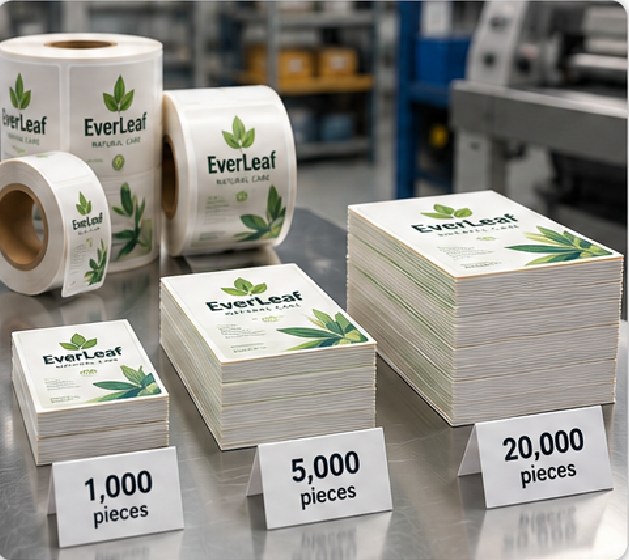
A label press can sometimes produce fewer pieces than the quoted MOQ, but physical possibility and economical production are different questions. Every order carries work before the first sellable label is finished: artwork review, prepress preparation, material loading, color setup, press make-ready, waste generated while the process stabilizes, die-cutting setup, finishing setup, inspection, slitting or sheeting, packing and order handling. When only a small quantity is ordered, those fixed activities are divided across fewer finished labels, so the unit cost rises sharply.

Philiton therefore reviews total quantity together with quantity per SKU, label size, material, adhesive, number of artworks, print coverage, finishing, die or tooling requirements, roll configuration and application conditions. Standard digital projects can usually start at lower quantities because traditional printing plates are avoided and artwork changes are easier to manage. A stable high-volume roll-label program may move toward flexographic production because setup is spread across a longer run and roll-to-roll efficiency becomes more valuable.

Standard digital constructions can often start at a flexible quantity. Special face stocks, custom adhesives, holographic materials, dedicated foil or emboss tooling, security structures and RFID inlays can require a higher commercial starting quantity. The useful question is therefore not only “What is the MOQ?” but “What order structure makes my label economical without creating unnecessary inventory?”

Four Costs Behind A Label MOQ

MOQ mainly protects the efficiency of a defined production route. Understanding where fixed work enters the order helps procurement teams compare quotations on equal terms.

Prepress And Setup

Artwork does not move directly from a PDF to finished labels. Files may require dieline checks, bleed review, white-ink layers, foil or emboss separations, barcode checks, color targets and variable-data preparation. Digital production reduces some traditional plate work, while flexographic, foil, embossing and certain security routes can require dedicated tooling. Setup effort exists even when only a small quantity is printed, so short runs carry more setup cost per finished label.

Material And Waste

Paper, BOPP, PET, PE, liners, adhesives, foil and specialty components are purchased and converted in production-sized formats rather than one label at a time. Press setup, registration, color adjustment, die cutting and rewinding generate unavoidable startup waste. Standard stocked constructions are usually easier to run at flexible quantities. Special materials, custom adhesives, holographic structures or RFID inlays can also carry upstream supplier minimums that become part of the commercial MOQ.

Tooling And Finishing

Die cutting, hot foil, embossing, debossing and some security constructions can introduce plates, dies, molds, screens or dedicated setup. A 5,000-piece order and a 50,000-piece order may use the same tooling, so the tooling burden per label changes dramatically with volume. Reusable tooling can improve repeat-order economics when artwork, size and process remain unchanged, but reuse must be confirmed according to tooling condition and the final production route.

Inspection And Handling

Quality control does not disappear because the run is small. Material checks, first-piece approval, color control, die-cut checks, SKU identification, roll direction, quantity verification, packing and shipment preparation still consume time. Multi-SKU orders add artwork control and packing segregation. A low quantity may therefore save inventory while increasing handling cost per thousand labels. Philiton compares both sides before recommending a quantity break rather than treating the lowest possible MOQ as automatically best.

Which Companies Benefit From Flexible MOQ Planning

Different operating models create different quantity problems. Philiton adjusts the MOQ discussion around launch risk, SKU fragmentation, repeat demand, line compatibility and inventory exposure.

Product Launch Brands

A new product rarely needs the lowest possible unit price on day one. The bigger risk is committing too much cash to packaging before sales, formula, artwork or positioning are stable. Philiton can use digital production for many standard short-run labels, then review a new quantity break after demand becomes clearer. Sampling and material validation should happen before inventory is increased.

Multi-SKU Growth Brands

A brand may order 20,000 labels in total but still have only 1,000 labels per flavor, scent or size. Total quantity alone therefore hides the real production structure. Philiton records both total quantity and quantity per SKU, then checks whether artworks share the same size, material, adhesive, finishing and roll specification. Compatible SKUs can sometimes share parts of the setup while remaining separately controlled for artwork, quantity and QC identification.

Established Core Brands

Stable high-volume SKUs create a different opportunity. Once artwork, material, adhesive, tooling and roll specifications are locked, longer recurring runs may justify flexographic production and more efficient roll planning. Procurement can compare 5,000, 20,000, 50,000 or higher quantity tiers against annual consumption instead of chasing the smallest MOQ. The goal becomes reliable repeatability, batch consistency and controlled inventory rather than merely proving that a short run is possible.

Manufacturers And OEMs

Manufacturers usually care less about decorative sticker minimums and more about production continuity, barcode integrity, industrial durability, roll direction and traceability. Label quantities may be tied to monthly production plans or multiple finished-goods SKUs. Philiton can review product identification, barcode, serial-number, security and industrial programs together with application surface, temperature, chemical exposure and automatic-labeling requirements before setting an economical manufacturing route.

Packaging And Filling Partners

Contract packers and packaging companies often receive artwork from several brands while using a limited number of applicators and container formats. MOQ planning must consider shared roll specifications, core size, unwind direction, label gap, sensor marks and changeover frequency. Standardizing technical formats can reduce unnecessary variation even when artwork remains different. Philiton can prepare production specifications that separate brand artwork from common converting requirements.

Enterprise Procurement Teams

Large programs can contain high annual demand but still require phased releases, many regions or frequent artwork revisions. A single oversized order is not automatically efficient if it creates obsolete stock. Philiton supports short custom runs through repeat higher-volume manufacturing, allowing procurement to compare quantity breaks, material availability, production routes and release timing. Large programs also benefit from approved specifications, retained tooling where applicable and controlled reorder review.

Twelve Label Products With Different MOQ Economics

The same quantity can behave very differently across label constructions. Product format, material, data, finishing and delivery method all influence the lowest sensible production level.
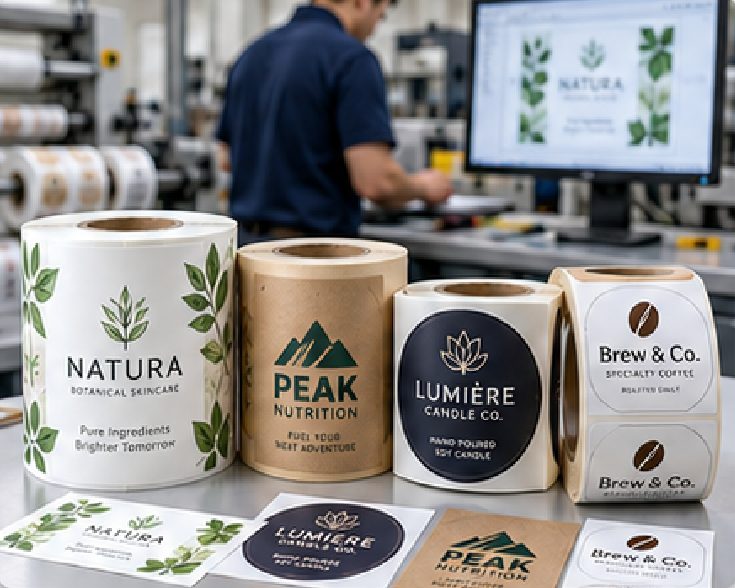
Pressure-sensitive roll labels are often the strongest format for repeat packaging programs and automatic application.

Roll Product Labels

Pressure-sensitive roll labels are often the strongest format for repeat packaging programs and automatic application. MOQ depends on size, web layout, number of SKUs, material, adhesive, printing route, core and unwind direction. Digital production can support shorter or fragmented runs, while stable larger volumes may move toward flexographic production. Roll quantity should also be planned around labels per roll, maximum roll diameter and warehouse handling.

Sheet labels can be useful for hand application, promotional packs, prototypes and lower-volume operations that do not need automatic dispensers.

Sheet Labels

Sheet labels can be useful for hand application, promotional packs, prototypes and lower-volume operations that do not need automatic dispensers. Production planning focuses on sheet size, nesting efficiency, cut method, material and artwork count. A small label placed efficiently across a sheet can use material differently from a large die-cut design, so piece count alone is not enough to compare economics. Packing and flatness requirements also affect handling.

Custom die-cut stickers can use paper, BOPP, PET, PVC/Vinyl or specialty films. Simple digital contour cutting may support flexible quantities, while dedicated tooling can become economical for repeat or larger runs.

Die-Cut Stickers

Custom die-cut stickers can use paper, BOPP, PET, PVC/Vinyl or specialty films. Simple digital contour cutting may support flexible quantities, while dedicated tooling can become economical for repeat or larger runs. Complex outlines, tight internal corners, oversized shapes and heavy laminates influence converting speed and waste. Philiton reviews finished size and nesting before confirming MOQ because material area often matters more than the nominal number of pieces.

Clear BOPP or PET labels often use white ink under selected artwork areas to maintain opacity and color strength.

Clear Film Labels

Clear BOPP or PET labels often use white ink under selected artwork areas to maintain opacity and color strength. White-ink setup, registration, transparent adhesive appearance, container cleanliness and finishing add more controls than a basic paper label. Short digital runs remain possible, but the project must be reviewed as a clear-label construction rather than a generic sticker. Actual bottle material and curvature are useful for sample approval.

Semi-gloss, matte, gloss, uncoated, Kraft and textured papers cover a wide range of dry packaging applications.

Paper Packaging Labels

Semi-gloss, matte, gloss, uncoated, Kraft and textured papers cover a wide range of dry packaging applications. Standard paper stocks generally support flexible production more easily than highly specialized imported papers. Heavy texture, uncoated absorbency, premium foil or embossing can change the setup route. Philiton therefore reviews the visual finish together with moisture exposure, adhesive requirements and the expected reorder cycle before recommending quantity.

Wine, spirits, fragrance and premium beverage labels often combine textured paper or film with foil, embossing, debossing, spot UV or specialty varnish.

Premium Bottle Labels

Wine, spirits, fragrance and premium beverage labels often combine textured paper or film with foil, embossing, debossing, spot UV or specialty varnish. The decorative process may contribute more to MOQ than the base print itself. A brand launching several SKUs should decide whether each design needs identical foil tooling and structural effects. Physical process samples are valuable because screen appearance does not predict paper texture, foil edge quality or emboss depth.
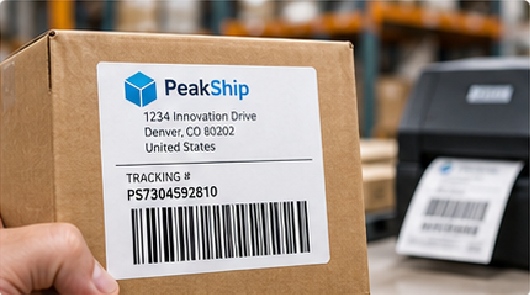
Direct thermal and thermal-transfer labels are recurring operational consumables.

Thermal Shipping Labels

Direct thermal and thermal-transfer labels are recurring operational consumables. Order economics are usually driven by roll dimensions, face stock, adhesive, core, labels per roll, printer compatibility and total annual usage rather than decorative finishing. Direct thermal suits shorter-life information, while thermal transfer can support longer durability depending on stock and ribbon system. Stable recurring quantities can justify larger production lots and planned replenishment.
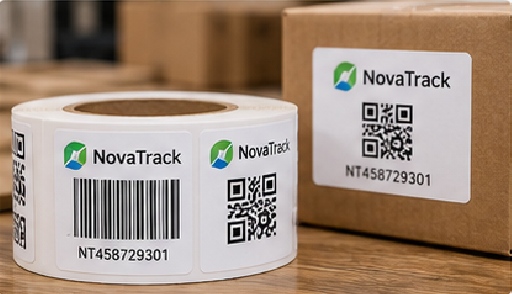
Barcode, QR and Data Matrix programs may use fixed artwork or variable information. MOQ planning must include data preparation, uniqueness control, verification method, label size, quiet zones and print contrast.

Barcode And QR Labels

Barcode, QR and Data Matrix programs may use fixed artwork or variable information. MOQ planning must include data preparation, uniqueness control, verification method, label size, quiet zones and print contrast. A phone scan alone is not enough for every industrial or retail requirement. Philiton can combine digital variable data, inkjet, thermal-transfer or other suitable routes with batch control. More complex unique-code programs may need stricter waste and reprint procedures.
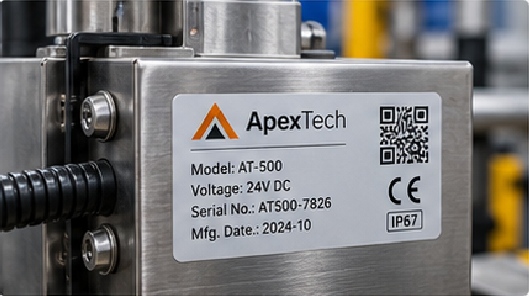
PET and other durable synthetic films are often selected for electronics, equipment, assets, automotive parts and chemical environments.

Industrial PET Labels

PET and other durable synthetic films are often selected for electronics, equipment, assets, automotive parts and chemical environments. Higher-performance adhesive, abrasion protection, thermal-transfer compatibility or chemical testing can increase material and validation requirements. The lowest piece count may therefore be less important than getting the construction right. Philiton reviews substrate, surface energy, service conditions and expected life before finalizing the production quantity.
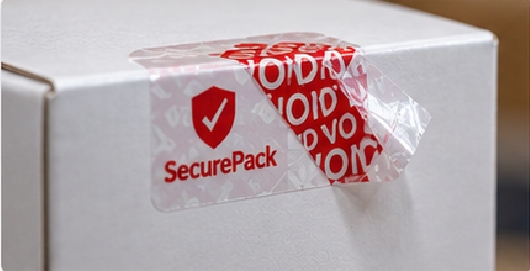
VOID, destructible and security-seal constructions are selected according to the evidence required after removal and the surface being protected.

Tamper-Evident Labels

VOID, destructible and security-seal constructions are selected according to the evidence required after removal and the surface being protected. Tamper behavior should be tested on the actual substrate because glass, coated cartons, metal and plastics can produce different results. Special face stocks and security structures may carry supplier minimums beyond ordinary paper or PET. Artwork secrecy and rejected-material control also become part of the manufacturing plan.
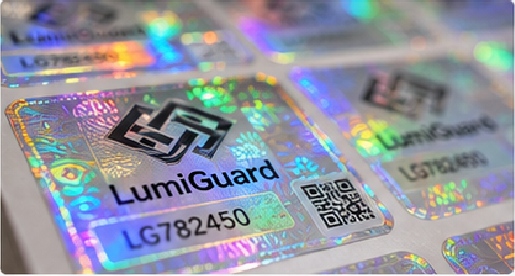
Holographic labels can use stock holographic films, printed effects or more customized security structures.

Holographic Security Labels

Holographic labels can use stock holographic films, printed effects or more customized security structures. A custom hologram can involve separate origination, tooling or upstream supplier minimums, so its MOQ cannot be compared directly with a standard silver film sticker. Philiton can combine holographic materials with variable codes, serial numbers, tamper-evident structures or conventional printing when the security architecture has been defined.
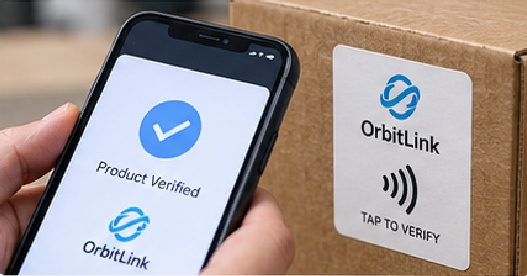
RFID and NFC projects add inlays, chips, encoding, visible printing and read/write verification to the label construction.

RFID And NFC Labels

RFID and NFC projects add inlays, chips, encoding, visible printing and read/write verification to the label construction. Quantity planning depends on frequency, chip or inlay availability, data rules, label dimensions, application surface and testing requirements. Standard chip-inlay programs may scale efficiently, while custom structures can require more preparation. Performance near metal or liquid must be validated under the intended installation conditions before mass production.
Material Choices That Can Change MOQ

Material selection affects purchase minimums, setup waste, print compatibility and inventory value. Philiton matches face stock to application conditions before using quantity alone to drive the decision.
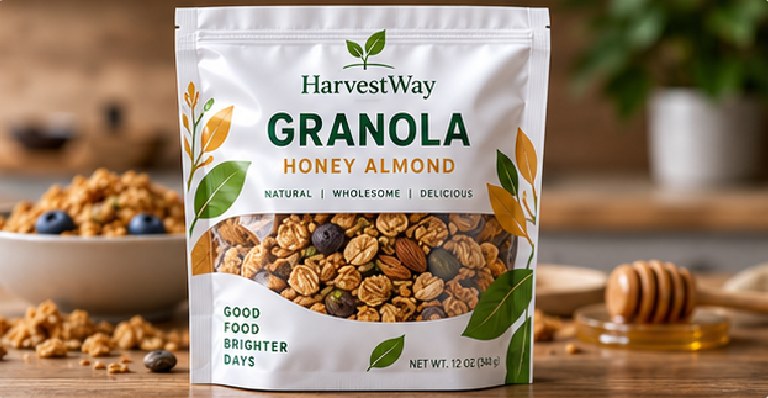
Semi-gloss paper is a common economical choice for dry consumer packaging, cartons, jars and general product identification.

Semi-Gloss Paper

Semi-gloss paper is a common economical choice for dry consumer packaging, cartons, jars and general product identification. Standardized supply makes it easier to support short digital runs and recurring volume. MOQ can rise when special adhesive, unusual liner, heavy varnish or decorative finishing is added. Moisture, oil and repeated abrasion should be reviewed before choosing paper simply to obtain a lower starting quantity.

Uncoated and textured stocks create a natural or premium appearance for food, beverage, fragrance and artisan products.

Uncoated Textured Paper

Uncoated and textured stocks create a natural or premium appearance for food, beverage, fragrance and artisan products. Texture changes ink holdout, fine-line reproduction, solid color and foil behavior. Specialty papers may not be stocked in every construction and can carry supplier purchase quantities. Philiton recommends real-material sampling when texture, embossing or hot foil is central to the design, especially before committing to a larger production run.

Kraft and recycled paper can support natural packaging aesthetics, but visual appearance and environmental claims are separate matters.

Kraft And Recycled Paper

Kraft and recycled paper can support natural packaging aesthetics, but visual appearance and environmental claims are separate matters. Recycled content, FSC sourcing or other sustainability statements must be tied to the exact material documentation used for the order. Brown or fibrous surfaces can also change color reproduction. MOQ depends on material availability, adhesive construction, printing and finishing rather than the word “Kraft” alone.
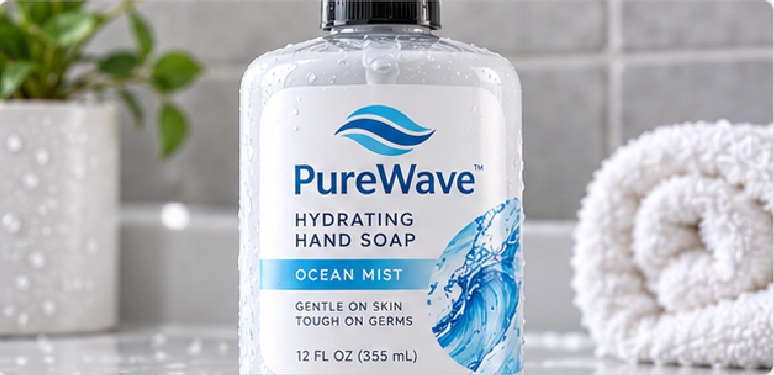
White BOPP is widely used for moisture-resistant consumer packaging, bottles, jars and flexible brand programs.

White BOPP Film

White BOPP is widely used for moisture-resistant consumer packaging, bottles, jars and flexible brand programs. It offers a smooth print surface and works with several printing and finishing routes. Standard constructions can support flexible quantity planning, while freezer, low-surface-energy or oil-exposed applications may need different adhesives. Label stiffness, container diameter and squeezing behavior should still be checked before locking a large order.

Clear BOPP is often selected for a no-label appearance on clean glass or plastic containers.

Clear BOPP Film

Clear BOPP is often selected for a no-label appearance on clean glass or plastic containers. White ink, adhesive clarity, bubbles, container surface condition and artwork layering require more attention than on opaque stock. MOQ may remain flexible with digital production, but higher setup and inspection complexity can affect cost. Sampling on the actual bottle helps reveal edge visibility, trapped air, opacity and curvature issues before scaling.
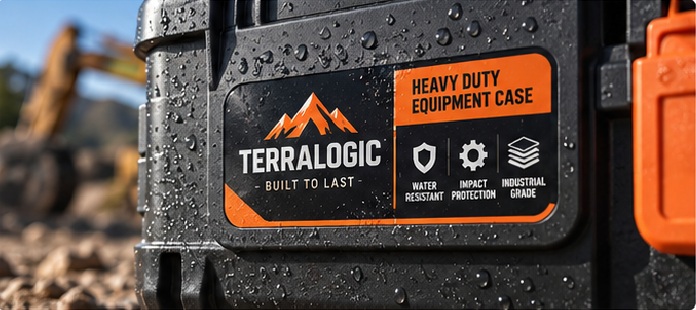
PET provides dimensional stability, abrasion resistance and higher durability for industrial, electronics, asset and premium clear-label uses.

PET Film

PET provides dimensional stability, abrasion resistance and higher durability for industrial, electronics, asset and premium clear-label uses. Its stiffness can be an advantage on flat surfaces but can increase edge-lift risk on very small diameters if the adhesive and geometry are poorly matched. Higher-performance PET constructions, coatings or special adhesives can carry higher material costs or purchase minimums, making application testing important before volume decisions.

PE film offers greater flexibility and conformability for squeezable containers and deformable surfaces.

PE Flexible Film

PE film offers greater flexibility and conformability for squeezable containers and deformable surfaces. The film can follow bottle movement more effectively than a stiff label in suitable applications. Printing, die cutting and adhesive selection must match the flexible structure. MOQ planning should include whether the container repeatedly flexes, the surface is low energy and the artwork requires decorative processes that may behave differently on a softer film.

PVC/Vinyl is commonly used for decals, outdoor stickers and conformable applications where water resistance and shape flexibility matter.

PVC And Vinyl

PVC/Vinyl is commonly used for decals, outdoor stickers and conformable applications where water resistance and shape flexibility matter. Soft PVC surfaces can introduce plasticizer-migration concerns, so adhesive compatibility must be reviewed rather than assumed. Outdoor life depends on the full construction, including film, ink, laminate and exposure. Special durable or weather-resistant constructions may have higher material minimums than standard indoor label stock.

Adhesives Liners And Supporting Materials Matter

The face stock is only one part of the label. Adhesive, liner and protective layers can change sourcing, converting behavior, application reliability and MOQ.

Permanent Acrylic Adhesive

Permanent acrylic systems cover many packaging and general industrial applications, but one permanent adhesive is not suitable for every surface. Glass, PET, coated cartons, metal, HDPE and PP can require different tack or surface-energy behavior. Standard constructions usually allow more flexible order quantities. Philiton reviews application temperature, service temperature, moisture, curvature and surface cleanliness before locking the adhesive into the production specification.

Removable Adhesive

Removable or repositionable constructions are useful for temporary promotions, reusable containers, information labels and applications where residue matters. Clean removal depends on substrate, dwell time, temperature and adhesive chemistry, not only on the word “removable.” A stock removable adhesive may support a straightforward MOQ, while a specialized removable construction can increase sourcing requirements. Actual-surface trials are recommended when residue or repositionability is commercially important.

Freezer Grade Adhesive

Cold-storage programs must distinguish application temperature from service temperature. A label applied to a warm dry package and later frozen behaves differently from one applied inside a cold room to a chilled or condensed surface. Freezer or low-temperature adhesives can require dedicated material constructions, so the material purchase minimum may influence order size. Philiton uses actual package conditions to select the adhesive before recommending volume.

High Tack LSE Adhesive

PP, PE and HDPE are lower-surface-energy plastics that often need stronger initial tack or specially formulated adhesive. Rough texture, oil contamination, small diameters and bottle curvature can make adhesion more demanding. High-tack or LSE-compatible constructions may cost more than standard packaging adhesive and can carry different material availability. A short application test can prevent a large inventory of labels that lift after filling, transport or storage.

Release Liner Selection

Glassine and PET release liners influence die cutting, dispensing, roll stability and automatic application. Liner thickness also contributes to finished roll diameter and the number of labels that fit on each roll. A high-speed applicator may require tighter liner and release characteristics than hand application. Philiton confirms the labeling method, roll dimensions and sensor requirements before choosing a liner solely for material cost or MOQ.

Protective And Decorative Layers

Lamination, varnish, foil, holographic film, opaque white and other supporting layers can change both performance and production setup. A protective laminate may be justified for moisture, abrasion or chemicals, while foil and holographic layers are chosen for visual or security reasons. Standard materials may run at flexible quantities; dedicated foil, security structures or specialty overlays can introduce tooling or supplier minimums that raise the economical starting point.

Printing And Logo Effects Change MOQ

Philiton selects printing and finishing according to quantity, artwork, material and required effect. Decorative choices should be evaluated together with setup cost and repeat volume.

Digital CMYK Printing

Digital printing is commonly used for short runs, launches, multiple artworks and projects where designs change frequently. Traditional printing plates are avoided, which reduces setup barriers for many standard constructions. It is also useful when each SKU has a relatively small quantity. Unit economics should still be reviewed as volume rises because a stable long run may eventually be better suited to another printing route.

Flexographic Printing

Flexographic printing is strongest when roll-label volume becomes stable and recurring. Plates and press setup create a higher startup burden than a simple digital run, but the cost can be spread across tens of thousands or more labels. Philiton commonly evaluates flexographic production for stable 5,000-100,000+ roll-label programs, subject to size, material, colors, finishing and SKU structure rather than quantity alone.

Screen And Opaque White

Screen printing can deposit heavier ink films and is useful for opaque white, special inks and selected decorative or industrial effects. Slower production speed and additional setup can make it less economical for very small quantities than ordinary digital CMYK. It is often combined with another print route rather than used alone. Clear films, dense white areas and specialty graphics are common reasons to evaluate screen or screen-like effects.

Foil Stamping

Hot or cold foil adds metallic, colored or holographic decoration without relying on printed metallic ink alone. Foil choice, coverage, fine detail and tooling can change the setup. A premium bottle label with a small gold logo may need more preparation than a plain CMYK label of the same quantity. Repeat orders can benefit when the design and tooling remain reusable, but tooling condition and artwork stability must be confirmed.

Emboss And Deboss

Embossing or debossing creates physical depth in paper or suitable label constructions. The process requires dedicated preparation and must account for paper thickness, image detail, die alignment and surrounding print. Very small text or thin lines may not reproduce as expected. Because the tooling work is largely independent of finished quantity, the unit impact is much heavier on a short run than on a stable premium program.

Spot And Raised UV

Spot or raised UV creates gloss, contrast or tactile emphasis over selected artwork areas. The process can support premium packaging, logos and visual differentiation, but it adds another manufacturing stage and registration requirement. MOQ depends on the chosen route, coverage and compatibility with the face stock and base print. Philiton reviews whether the visual result justifies the added setup before building it into a launch quantity.

Holographic Security Effects

Holographic features range from standard holographic film to more customized brand-protection structures. Stock materials can be easier to source at lower quantities than custom origination. Dedicated security effects may involve supplier minimums, tooling or additional approval stages. Philiton can combine holographic structures with print, serial numbers, QR codes and tamper-evident constructions when the security objective and data responsibility have been defined.

Variable Data And Smart Labels

Serial numbers, unique QR codes, barcodes, Data Matrix, RFID and NFC introduce data preparation, uniqueness checks, encoding or verification beyond static printing. Digital and inkjet routes can support short and multi-SKU programs, while RFID quantity planning also depends on chip and inlay availability. The manufacturing plan must define source data, reprint rules, scrap control and verification before an economical MOQ can be confirmed.

Development Sampling And Tooling Before Mass Production

A reliable MOQ is easier to set after artwork, material, application conditions and finishing are understood. Philiton uses development stages to close risk before volume increases.

From Artwork Review To Approved Production Specification

Philiton starts with the information that actually changes manufacturing: finished size, shape, total quantity, quantity per SKU, artwork files, application surface, expected environment, material preference, adhesive needs, print colors, finishing, roll or sheet format and delivery destination. Artwork is checked for dieline, bleed, text, color layers, white ink, foil or emboss separations, barcode or QR requirements and variable-data rules. A basic file correction may be handled digitally, while a structural change can affect tooling and restart the approval sequence.

Sampling is selected according to the risk being closed.

  • Digital proofs or rapid digital samples can be used for artwork, size and visual review.
  • Material swatches help compare paper, BOPP, PET, PE, PVC/Vinyl, transparent, metallic, holographic and thermal stocks.
  • Physical application samples are more valuable when adhesion, curvature, moisture, oil, freezer conditions, small diameters or automatic application are involved.
Under approved artwork and standard materials, rush digital samples can sometimes be evaluated in 24-48 hours, with common rapid digital sample routes around 1-3 working days. More representative physical samples are often planned around several working days, while foil, embossing, specialty adhesives, security structures and RFID can require additional preparation.

Tooling enters only where the production route requires it. Flexographic plates, die-cutting tools, foil dies, emboss/deboss tools, screens or dedicated security components can create costs that do not fall in proportion with piece count. Philiton records whether tooling can be retained and reviewed for a repeat order. Sample approval should lock artwork revision, size, material, adhesive, color target, finishing, die cut and relevant roll configuration. Once those fields are stable, MOQ and quantity breaks become much more meaningful.

The Variables Philiton Uses To Set MOQ

MOQ VariableWhy It Changes The Starting QuantityInformation Philiton Reviews
Total quantitySpreads setup, material preparation and inspection costTotal pieces required
Quantity per SKUDetermines artwork fragmentation and changeoversPieces for every design
Label sizeChanges material area, web layout and roll yieldWidth x height or diameter
ShapeAffects nesting, die cutting and wasteStandard or custom contour
Face materialStandard versus specialty supply changes sourcingPaper, BOPP, PET, PE, PVC, specialty
AdhesiveSpecial or low-temperature systems may have higher material minimumsSurface, temperature, moisture, chemicals
Printing routeDigital, flexo, screen and thermal have different setup structuresArtwork, colors, volume and repeat plan
FinishingFoil, emboss, UV, lamination and security effects add setupEffect, coverage and artwork layer
ToolingPlates, dies and special tools create fixed preparation costNew or reusable tooling
Variable dataUnique codes require data preparation and verificationData format, count and reprint rules
Roll configurationCore, OD, unwind and labels per roll affect convertingApplicator specifications
Compliance/testingSpecial reports or tests can add material and validation workMarket, application and required documents

Printing Route Changes The Economic Quantity

Production RouteTypical Philiton Planning RangeStrong FitMOQ Effect
Digital printingAbout 500-20,000+ pcsLaunches, short runs, multi-SKU, frequent artwork changesLower setup barrier for many standard constructions
Flexographic printingAbout 5,000-1,000,000+ pcsStable roll labels, recurring medium/high volumeHigher setup, stronger long-run efficiency
LetterpressAbout 3,000-100,000 pcsFine labels, stable spot colorsPlate/setup economics favor repeat volume
Screen printingAbout 500-50,000+ pcsOpaque white, heavy ink, specialty effectsExtra setup can raise short-run cost
UV printingAbout 500-100,000+ pcsFilm labels, white ink, varnish and high visual performanceDepends on material and effect layers
Variable data / inkjetAbout 500 pcs to large programsSerial numbers, QR, versioning and unique dataData preparation and verification influence economics
RFID / smart labelsProject-specificEncoding, traceability, NFC/RFID functionsInlay, chip, data and read/write requirements can raise MOQ

Why Unit Price Falls As Quantity Increases

A lower unit price is usually created by spreading fixed work and improving manufacturing efficiency, not by reducing material quality. Philiton compares quantity tiers against inventory risk.

Quantity Breaks Should Be Read As Cost Structure

Consider a simple planning example using the same 50 x 80 mm label, artwork and material. Increasing quantity does not make the label physically smaller or remove the adhesive. What changes is the share of artwork preparation, setup, tooling, machine changeover, startup waste, inspection and order handling carried by each finished label. A 1,000-piece run carries those fixed activities across 1,000 units; a 20,000-piece run spreads them much further. Material utilization and press efficiency can also improve as the run becomes longer.

The lowest unit price is not automatically the lowest total cost. A brand with frequent regulatory updates, seasonal graphics or uncertain demand can lose more money through obsolete inventory than it saves on a large production tier. A stable core SKU with predictable monthly use can justify a larger run because the risk of artwork obsolescence is lower. Multi-SKU programs sit between those extremes: 30,000 labels may sound large, but 15 artworks at 2,000 pieces each still create version control and changeover work.

Philiton therefore uses quantity breaks as a decision tool. A quotation can compare a launch quantity, a more efficient mid-volume tier and a scale-production tier where appropriate. The meaningful choice balances unit cost, cash tied in stock, artwork stability, warehouse space, expected reorder timing and the likelihood that the next order will use exactly the same specification.

Production Details That Keep MOQ Commercially Useful

An economical quantity only works when the specification can be repeated. Philiton connects order review, material control, printing, converting and final packing under one approved production record.

Order Specification Review

Production starts from an approved specification rather than an email quantity alone. Philiton checks artwork revision, size, SKU count, material, adhesive, print route, finishing, variable data, roll or sheet format and packing. Any change can alter setup or material requirements. Large multi-SKU orders are especially sensitive to old artwork or mixed specifications, so version status and quantity per SKU are confirmed before release.

Material Preparation And IQC

Base materials come from qualified external supply chains, while Philiton controls selection, incoming checks and conversion. Face stock, adhesive, liner, batch, dimensions and appearance are reviewed against the approved order before production. Special adhesives, imported stocks, holographic materials or RFID inlays may extend procurement time. Material availability can therefore change both MOQ and schedule even when the printed artwork remains identical.

Printing Route Setup

Digital, flexographic, letterpress, screen, UV, thermal, inkjet and security routes are selected according to the order structure. Setup includes file output, color targets, plates where needed, press preparation, registration and first-piece confirmation. Digital is useful for short and multi-SKU production; flexographic printing becomes more attractive as roll volume stabilizes. The production route is reviewed again when a reorder quantity changes substantially.

Finishing And Converting

After printing, a label can still require lamination, varnish, foil, embossing, holographic processing, die cutting, waste stripping, slitting, sheeting or rewinding. Each stage introduces tolerances and potential setup waste. A premium label with three finishing stages can therefore have a different economical MOQ from a plain label printed on the same face stock. First-piece and in-process checks are linked to the approved sample and specification.

Rewinding And SKU Control

Roll-label production must control unwind direction, inside or outside wound orientation, core, maximum roll diameter, gap, pitch, liner width, labels per roll and optional perforation or sensor marks. Multi-SKU orders also require clear segregation. Philiton identifies SKU, quantity and batch through packing controls so a lower MOQ does not create confusion at the warehouse or filling line.

Lead Time And Release

Lead time begins after commercial confirmation, approved artwork/specification and required material or tooling availability. Standard large orders are commonly planned around 7-15 working days once conditions are ready; very large or complex multi-SKU programs can require about 10-20 working days or staged completion. Special materials, RFID, security structures, complex finishing and approval changes can extend the schedule. Repeat orders may move faster when specifications remain unchanged.

Roll Accessories And Functional Components Affect MOQ

Automatic application and smart-label projects add components beyond the printed face stock. Confirming them early prevents a low MOQ quote from becoming unusable in production.

Core Diameter

The paper or plastic core must fit the intended dispenser or applicator. Common core options are available, but the correct diameter is confirmed from the machine specification rather than label size alone. Core choice affects the usable roll build and packing. A program standardized around one core can simplify repeat production, while several filling sites with different equipment may require separate roll configurations and quantity planning.

Unwind Direction

Unwind direction defines which label edge leads off the roll and how the artwork is oriented toward the applicator. A visually identical label can be unusable on an automatic line if the unwind direction is wrong. Philiton records the required orientation before mass production. Multiple packaging lines using different unwind directions can create separate converting groups even when artwork and material are otherwise identical.

Inside Or Outside Wound

Labels can face outward or inward on a finished roll. Applicator design, liner path and handling determine the correct construction. Winding orientation does not usually dominate material cost, but it can change converting setup and SKU control when several machines are involved. A repeat program benefits from locking winding orientation into the approved specification so the same order is not interpreted differently at reorder.

Gap And Pitch

Gap is the space between adjacent labels, while pitch is the repeat distance from one label position to the next. Both can affect sensor detection, web layout, material yield and machine indexing. A change in label length or gap can alter labels per roll and finished roll diameter. Philiton reviews applicator requirements before optimizing the web only for maximum material yield.

Sensor Marks And Perforation

Black marks, registration marks and perforations can be added when the labeling or dispensing system requires them. Their size, position, contrast and strength must match the machine and handling process. Additional converting features may add setup and inspection points. A short run should still be validated for machine compatibility rather than removing necessary marks merely to reduce the quoted MOQ.

RFID Inlays And Data

RFID and NFC labels include an inlay or chip whose dimensions, frequency and performance interact with the printed label. Encoding, visible variable data and read/write verification can add separate work. Inlay availability or custom antenna structures can create higher supplier minimums than ordinary face stock. Philiton confirms chip/inlay, data mapping, application surface and verification plan before locking a smart-label quantity.

Packaging Options For Short And Scale Orders

Packing should preserve roll shape, keep SKUs identifiable and match the receiving warehouse. Philiton selects the format after production and application requirements are confirmed.

Protected Roll Packing

Finished rolls are packed to reduce crushing, moisture exposure, telescoping and uncontrolled unwinding. Inner bags, protective wrap and cartons can be selected according to roll size and shipment method. Carton labels can identify SKU, quantity and batch. Roll count per carton should balance protection and warehouse handling rather than simply maximize carton weight, especially when several artworks share one shipment.

Sheet Pack Configuration

Sheet labels and flat printed pieces need protection against curling, corner damage, moisture and surface scuffing. Pack quantity can be standardized by SKU to simplify counting. A launch order with many designs may benefit from smaller clearly labeled packs, while a recurring single-SKU program may use larger standardized bundles. The packing plan is linked to finished size, substrate stiffness and downstream hand-application method.

Individual Piece Packing

Die-cut stickers, decals, tags or specialty pieces can be supplied as individual units when distribution, kitting or retail use requires it. Individual handling adds labor compared with a continuous roll or sheet format, so it can affect the economical quantity. Bagging, counting and SKU labeling should therefore be decided before price comparison rather than added after the printing quote is already approved.

Multi-SKU Segregation

Several SKUs can ship together when each artwork and quantity remain separately controlled. Philiton can organize cartons or pallets by SKU and apply receiving labels according to agreed warehouse rules. Mixed-SKU cartons are possible when the receiving operation can handle them, but the packing instruction should state exact quantities. Clear segregation prevents a flexible multi-SKU production plan from creating receiving errors later.

Pallet And Warehouse Labels

Larger shipments may require palletization, carton marks, batch identification, fulfillment-center labels or appointment-related documentation. Warehouse rules can influence carton size and pallet organization. These requirements do not normally define printing MOQ by themselves, but they affect total order handling and should be included in the quotation when the project ships directly to a distribution center or contract packer.

Courier Air And Sea

Samples, short replenishment runs and urgent low-volume orders can move by international courier or air freight, while larger volumes can be evaluated for sea freight. Large urgent programs can also be split: an initial portion moves by air to support launch, followed by an economical bulk shipment. Freight method is quoted separately according to destination, shipment size and agreed Incoterm.

Quality Control Does Not Shrink With MOQ

Flexible quantities should reduce inventory risk, not inspection discipline. Philiton uses material, process and final controls according to the risks of each label construction.

Incoming Material Control

Because base papers, films, adhesives, liners, foils and smart-label components are sourced from qualified external suppliers, incoming material control is an important gate. Philiton checks material identity, construction, batch, dimensions and appearance against the approved order before release. Special materials can also require document review or incoming functional checks. A low-volume order still needs the correct material; reducing quantity does not justify substituting an unapproved stock.

First Piece And IPQC

Initial production output is reviewed before a full run develops the same error across thousands of labels. Philiton checks the first piece and monitors print, registration, color, text, white ink, finishing, die cutting, waste stripping and roll direction according to the specification. Process inspection is especially valuable for multi-SKU runs because artwork changeovers can introduce version or color mistakes even when the base material stays the same.

Color And Print Control

Brand color is managed against the approved artwork, physical reference or agreed color target. Spectrophotometer and color-measurement systems are available within the quality equipment system, but acceptable tolerances are defined by the project rather than one universal number. Transparent materials, uncoated papers and metallic effects can change perceived color, so sample approval should reflect the actual face stock and finishing instead of relying only on a monitor.

Size And Die Control

Finished dimensions, die-cut position, gap, pitch, liner width and roll configuration can affect both appearance and application. Philiton uses die-cut and converting checks to control shape, waste stripping and roll consistency. Small labels, tight corners and automatic application may require tighter process attention than a large hand-applied sticker. Approved dielines and machine requirements remain the reference regardless of whether the order is 1,000 or 100,000 pieces.

Adhesion And Durability

Peel, tack, rub, abrasion, temperature or humidity checks can be used according to application risk and agreed specifications. Not every label receives every laboratory test. Oil, chemicals, freezer use, outdoor exposure and low-surface-energy plastics require conditions to be defined before meaningful testing can be planned. Actual containers or representative substrates are preferred when label lifting, bubbling, small-diameter wrap or moisture exposure is a known risk.

Barcode RFID And OQC

Barcode and QR verification focuses on print quality and decodability, while RFID projects can add encoding and read/write verification under the agreed plan. Final inspection also checks quantity, SKU, roll direction, packing, carton identification and shipment documents. Unique-code and smart-label programs require additional control of source data, scrap and reprints. Flexible MOQ is therefore a commercial decision, not permission to weaken functional verification.

Compliance Depends On The Exact Label Construction

Philiton supports material documents, testing coordination and controlled manufacturing, while certifications and legal claims are confirmed against the exact material, market and responsible party.

Material Documents By Project

RoHS, REACH, food-contact, heavy-metal or other material documentation can be supported when the specified construction and supplier evidence are available. A report for one adhesive or film cannot automatically be applied to every label sold by Philiton. Procurement should define the destination market, application and required document before production so the material selected for sampling is the same construction intended for mass production.

FSC And Sustainability Claims

FSC-certified paper options can be sourced subject to project and chain-of-custody verification. Recycled paper, Kraft and other lower-impact materials can also be evaluated, but environmental claims must follow the documentation for the exact stock used. Philiton does not treat every paper label as FSC certified or every recycled-looking material as a verified environmental claim. Material sourcing and artwork claims should be checked together before approval.

Regulatory Artwork Responsibility

Philiton can reproduce approved regulatory text, warnings, ingredient lists, barcodes and certification marks with controlled printing and legibility. The brand, importer, manufacturer or other legal product-responsible party confirms what wording and marks are required for the destination market. Authorized use of CE, UKCA, UL, FSC, GRS or similar marks must be provided by the responsible organization rather than assumed by the label printer.

Traceability And Approval Records

Approved artwork, production specification, material information, tooling details and QC records create a stronger foundation for repeat orders and audits. A repeat program is still reviewed when quantity, substrate, application, market or compliance requirements change. Philiton can support supplier audits and project documentation according to the available records, but unverified certification numbers, audit claims or universal compliance guarantees are not used as marketing substitutes for project evidence.

Anonymized Philiton MOQ Planning Case Profiles

The profiles below use Philiton’s internal representative project framework. Brand names remain confidential, and quantity ranges show the manufacturing scale used for MOQ and process planning.
US Personal Care Labels

US Personal Care Labels

United States | Cosmetics & Personal Care | Brand Owner | 10,000-50,000 pcs | 3-8 SKUs. The program uses white or clear BOPP with permanent acrylic adhesive selected for PET, HDPE or glass bottles. Clear constructions can add white ink, while matte or gloss lamination protects the print surface. MOQ planning focuses on SKU quantity, shared material, bottle compatibility and whether digital or longer-run production is more efficient. Physical bottle samples are used to check edge lift, transparency, water exposure and rub before volume is released. QC covers color, size, die cutting, roll direction, roll quantity and white-ink registration where required.
Canadian Frozen Food Labels

Canadian Frozen Food Labels

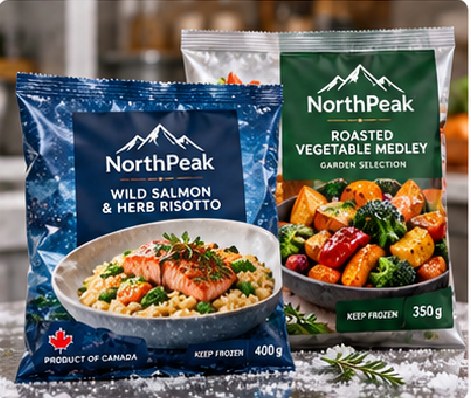
Canada | Frozen Food | Purchasing Team | 20,000-100,000 pcs | 2-6 SKUs. BOPP or moisture-resistant paper is evaluated with a low-temperature or freezer-grade adhesive. The critical inputs are application temperature, storage temperature, condensation and whether the package surface already carries moisture when the label is applied. Quantity planning considers digital or flexographic production according to SKU split and repeat volume, while special low-temperature material availability can influence the schedule. Real packages are used for low-temperature adhesion and freeze-thaw review. QC includes adhesion, edge lift, print, die cut, unwind direction, roll quantity and moisture-protected packing.
UK Premium Beverage Labels

UK Premium Beverage Labels

United Kingdom | Premium Beverage | Packaging Manager | 5,000-30,000 pcs | 2-5 SKUs. The construction can use high-white paper, textured paper or BOPP depending on bottle conditions, with CMYK or spot color plus hot or cold foil. Embossing or spot UV can be added when the visual concept requires it. MOQ is influenced less by base printing alone and more by foil tooling, specialty paper, artwork detail and the number of SKUs sharing the same structure. A physical process sample checks foil adhesion, fine detail, registration and bottle curvature. QC controls color, foil, embossing where used, die cutting, dimensions and roll orientation.

Quantity Becomes A Manufacturing Decision

Philiton begins by separating total demand from quantity per SKU. The next review checks whether the designs share size, material, adhesive, finishing and roll configuration. A program with ten artworks on one standard BOPP construction is different from ten artworks using three sizes, two adhesives and separate foils. Compatible structures can sometimes share material and parts of the manufacturing setup, but every SKU keeps its own approved artwork, quantity and QC identification.

The production route is then matched to the commercial stage. Short launches and fragmented SKU programs often favor digital printing because artwork changes do not require traditional plates. Stable roll-label programs can be re-evaluated for flexographic production as volume grows. Specialty effects, security structures, custom adhesives and RFID/NFC are reviewed as separate cost and sourcing drivers rather than forced into a generic low-MOQ promise.

Founded in 2016, Philiton’s manufacturing operations in Shenzhen and Dongguan cover artwork and prepress, multiple printing technologies, converting, specialty finishing, inspection, testing and packing. The integrated operating footprint exceeds 12,000 ㎡ with more than 200 employees, including 91 technical, skilled production and quality personnel. Many standard label and sticker projects can start around 500 pcs, while the same manufacturing system supports repeat medium- and high-volume programs. Quantity can therefore be adjusted as demand becomes clearer without requiring a brand to redesign its supplier strategy at every growth stage.

Frequently Asked Questions About Label MOQ

For many standard custom label and sticker projects, production can start from around 500 pcs. The workable quantity still depends on size, material, adhesive, printing route, finishing, SKU count, roll configuration and whether special materials or dedicated tooling are required. A standard digital BOPP label can start lower than a project using custom holographic material, foil tooling, RFID inlays or a specialty adhesive.
Both values matter. Every SKU or artwork can require separate file control, color review, variable data, changeover or tooling. Similar designs using the same size, material, adhesive, finishing and roll specification may share part of the production setup, but each artwork remains a separate approved item with its own quantity and QC identification. Philiton therefore records total order quantity and quantity per SKU during quotation.
Yes, when the technical construction is compatible. Shared face stock, adhesive, size, finishing and roll requirements make combined planning easier. Artwork still needs separate approval, and each SKU quantity is controlled individually. If one design uses clear BOPP with white ink and another uses textured paper with foil, they are not treated as one production structure merely because they are ordered on the same purchase order.
Digital printing avoids traditional printing plates and handles artwork changes efficiently, making it useful for launches, short runs and multi-SKU programs. Lower setup does not mean zero setup; material loading, color preparation, die cutting, finishing, inspection and packing still remain. As a stable SKU grows, Philiton can compare digital economics with flexographic production and recommend a route based on repeat volume rather than keeping the original method forever.
Flexographic printing becomes more attractive when roll-label volume is stable enough to spread plate and press setup across a longer run. Philiton commonly evaluates flexographic production for programs beginning in the several-thousand-piece range and extending into very large recurring volumes, but size, number of colors, material, finishing and SKU count can move the economic point. A fixed universal crossover quantity would be misleading.
Specialty papers, custom adhesives, holographic films, RFID inlays and security structures can have upstream supplier purchase minimums or longer procurement cycles. They may also generate more setup waste during validation. Standard stocked paper, BOPP or PET constructions are generally easier to support in flexible quantities. Philiton confirms material availability before treating an MOQ as firm, especially when the order depends on an uncommon construction.
They can. Foil and embossing add dedicated setup and may require dies or other tooling whose cost is largely independent of finished quantity. The process can still be used for shorter premium runs, but the unit cost impact is heavier. A brand with several SKUs should also check whether each design needs separate tooling. Physical samples are recommended when fine detail, foil registration or emboss depth is important.
Yes. Philiton supports launch quantities, multi-SKU testing and repeat higher-volume manufacturing. A standard project can begin with digital production, then be reviewed again when one SKU becomes a stable high-volume item. Scaling is easiest when approved artwork, material, adhesive, finishing, die line and roll specifications remain controlled. Reorders are still reviewed for changes rather than released automatically from an old file.
Lower quantity reduces inventory exposure, but ordering too little can create frequent setup cost, higher freight per unit and repeated production administration. A stable SKU may be more economical at a larger tier, while a launch or frequently changing label can justify shorter runs. Philiton compares quantity breaks against forecast demand, artwork stability, storage, expected reorder timing and the cost of obsolete labels before recommending a direction.
Send finished label size, shape, total quantity, quantity per SKU, artwork or a clear reference, application surface, preferred material if known, adhesive or environment requirements, printing colors, finishing, roll or sheet format, roll direction and core when applicable, packing needs and destination. If material is unknown, provide the container, surface, temperature and exposure conditions so Philiton can recommend a construction before confirming MOQ.

Send Your Label Plan For MOQ Review

A useful quotation starts with the order structure, not a single quantity. Send Philiton enough information to separate what can share material and setup from what needs its own production route. Material selection can remain open if the application is clear; our team can recommend a construction after reviewing the surface, environment and labeling method. For multi-SKU programs, list total volume and quantity per artwork so digital, flexographic and specialty routes can be compared on the same basis. Artwork files, existing samples or container photos can shorten the review.

Please include:

  • Finished size and shape
  • Total quantity and quantity per SKU
  • Number of artworks or variable-data versions
  • Application surface and use environment
  • Material or adhesive preference, if already defined
  • Printing, foil, embossing, UV, security or smart-label requirements
  • Roll, sheet or individual-piece format
  • Core, unwind direction or applicator information when relevant
  • Target delivery destination and required timing

Get In Touch

  • Our team will answer your inquiries within 12 hours.

  • Your information will be kept strictly confidential.

Get a Fast Quote for Custom Labels & Stickers

We will contact you within 24 Hours, please pay attention to the email with the suffix“@philiton.com”. 
For all inquiries, please feel free to reach out at:

Ask For A Quick Quote

We will contact you within 24 Hours, please pay attention to the email with the suffix“@philiton.com”. 
For all inquiries, please feel free to reach out at:

Get a Quote Today!

We will contact you within 24 Hours, please pay attention to the email with the suffix“@philiton.com”.