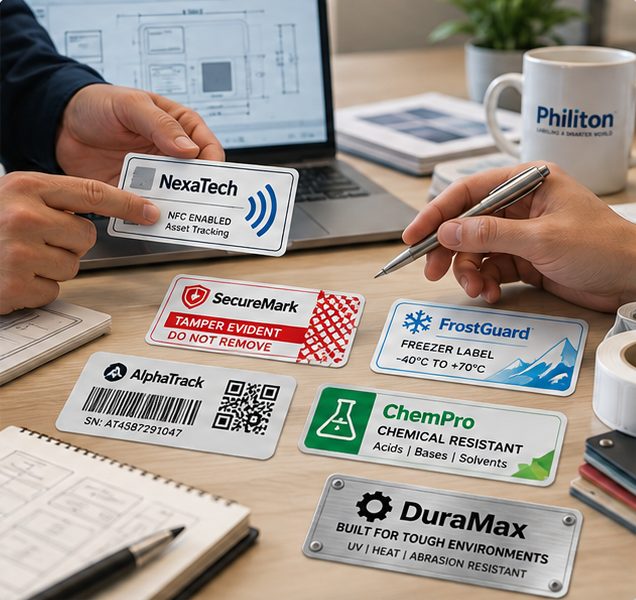
Functional labels are engineered to perform a job beyond carrying graphics, from cold-chain adhesion and chemical resistance to tamper evidence, serialization, RFID and NFC. Philiton develops each construction around the surface, environment, labeling method and required function, then controls printing, converting and verification through its Shenzhen and Dongguan manufacturing system.
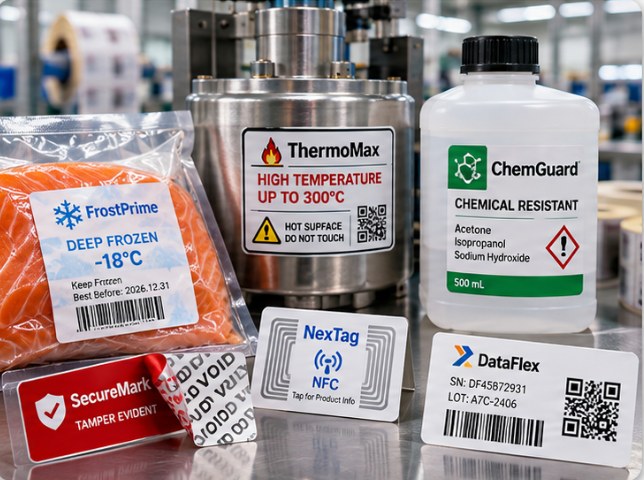
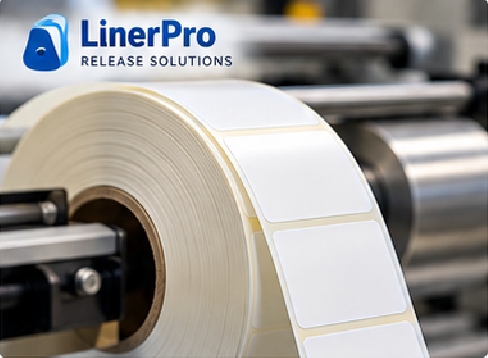
Facestock, adhesive, liner, print system, protective finish, die-cut geometry and optional data or smart components work as one structure. PET may offer good dimensional stability, yet the printed image can still fail if the ink or protective layer is wrong. A strong adhesive can still lift from a tight curve when the facestock is too stiff. An RFID inlay can be readable before converting but perform differently near metal, liquid or an unsuitable mounting position. Philiton treats functional performance as a system property. Material sourcing, artwork, printing, finishing, converting, inspection and project-specific verification are connected before the approved construction is released to production.
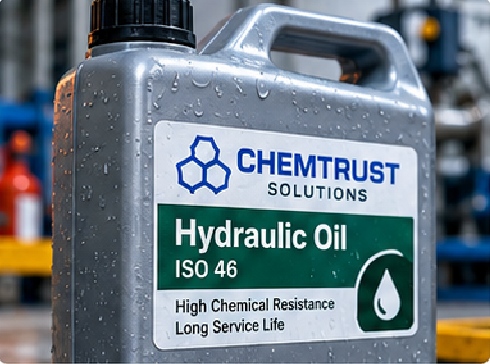
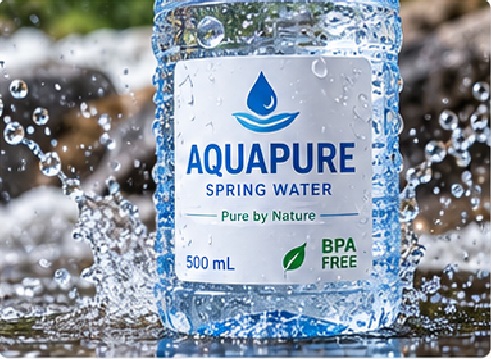
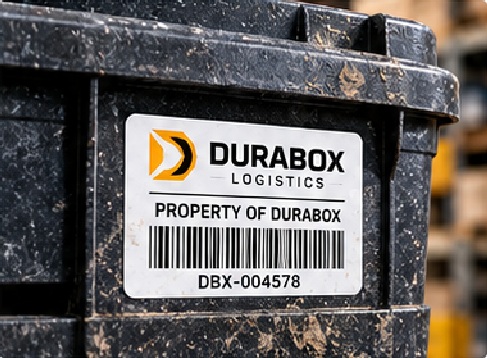


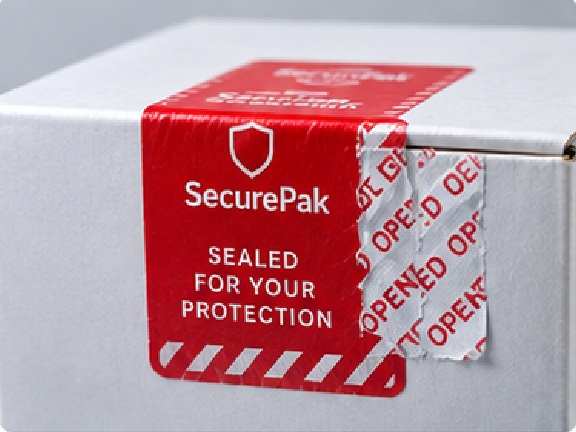

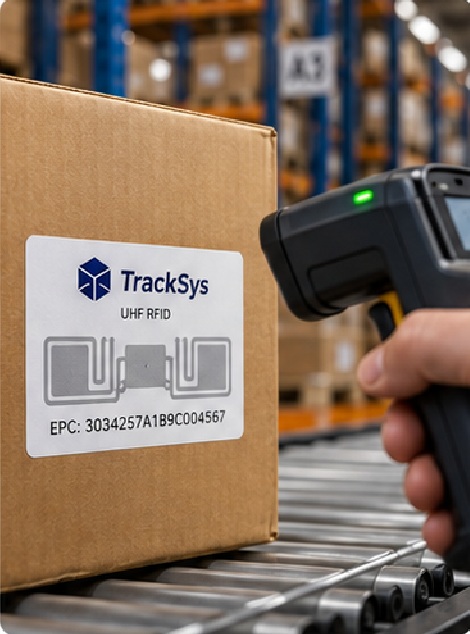
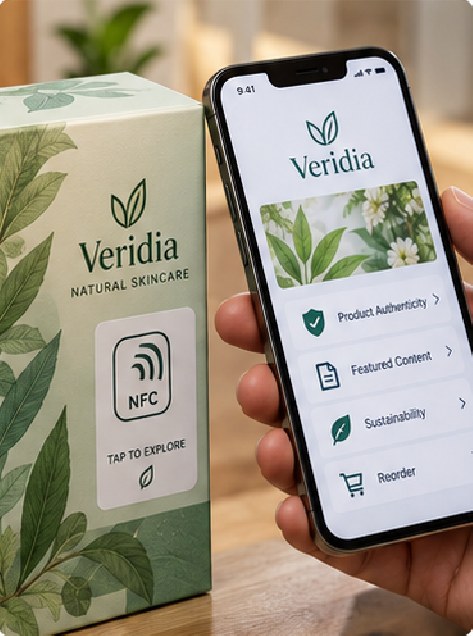
| Required Function | Conditions To Define | Construction Direction | Verification Focus |
|---|---|---|---|
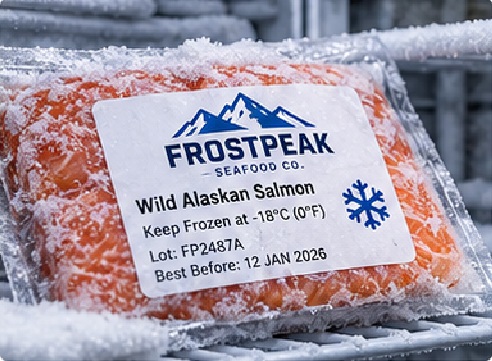
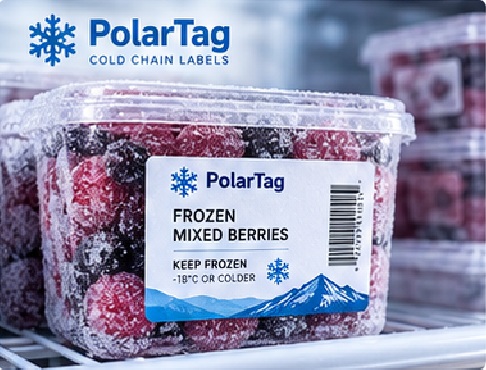
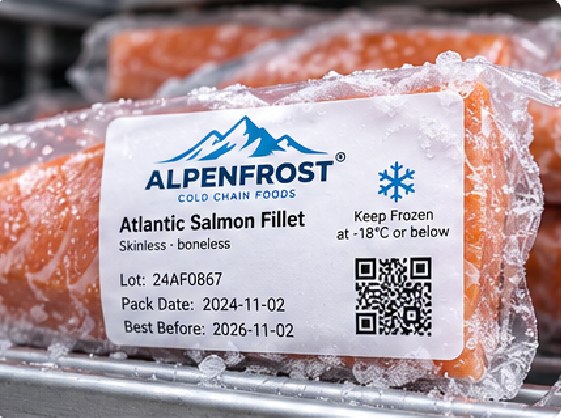
| Freezer adhesion | Application temperature, service temperature, condensation, substrate | Suitable film or paper + low-temperature adhesive | Actual pack adhesion under defined cold conditions |
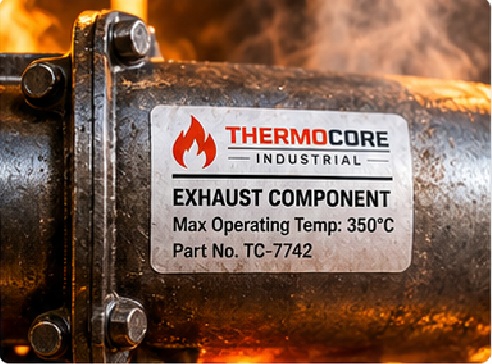
| High-temperature service | Peak temperature, continuous exposure, substrate, duration | Durable facestock + compatible adhesive + stable print/finish | Heat exposure and post-exposure adhesion/readability |
| Oil/chemical resistance | Liquid, concentration, contact time, wipe/immersion method | PET/BOPP or suitable stock + resistant print protection + compatible adhesive | Defined chemical or oil exposure |
| Clean removability | Substrate, dwell time, temperature, residue limit | Removable or repositionable adhesive construction | Removal force, residue and surface condition |
| Small-diameter holding | Diameter, label width, facestock stiffness, substrate | Flexible/thinner facestock + suitable permanent adhesive | Edge lift, flagging and holding over time |
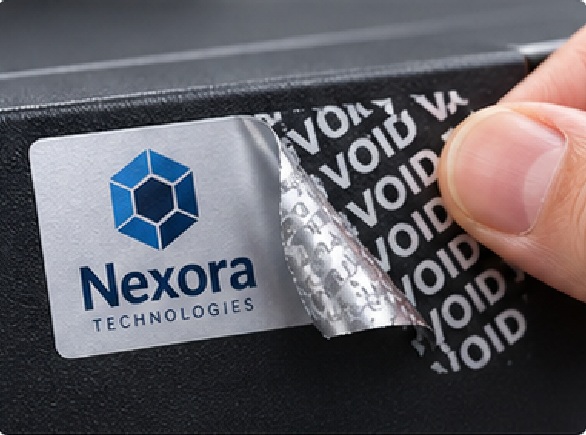
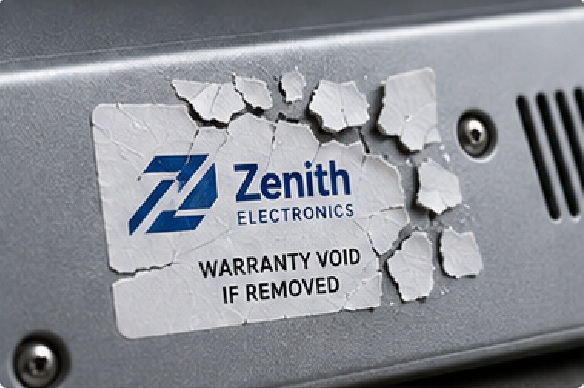
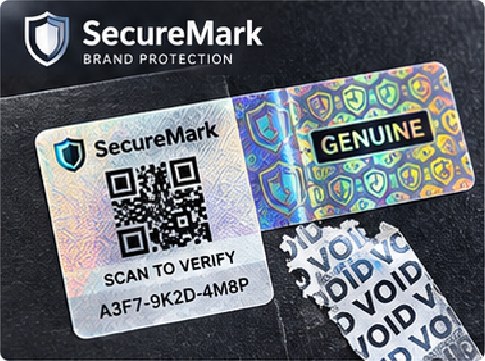
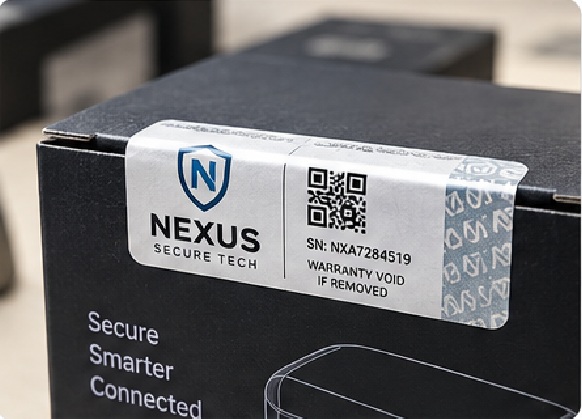
| Tamper evidence | Substrate, evidence type, removal method | VOID, destructible or security-seal construction | Actual removal behavior on the target surface |
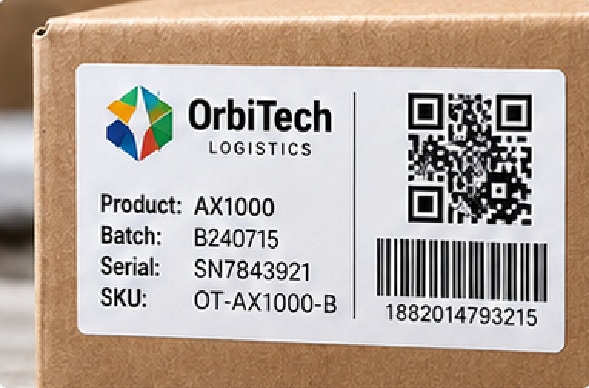
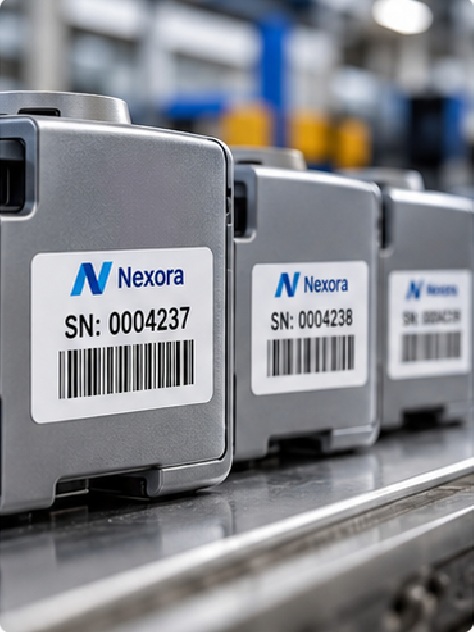
| Unique identification | Data source, code size, scan environment, sequence rules | Variable data + barcode/QR + controlled reprint workflow | Readability, uniqueness and data matching |
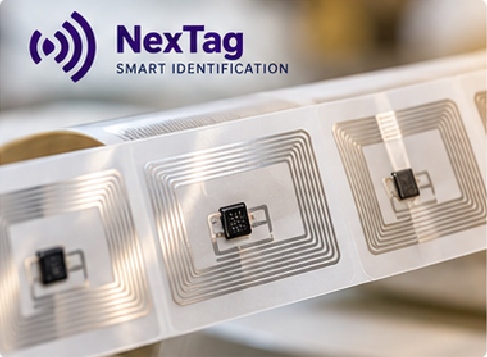
| RFID tracking | Frequency, chip/inlay, surface, reader, installation position | Facestock + inlay + adhesive + encoding structure | Read/write, data accuracy and application performance |
| Material Family | Main Strengths | Typical Functional Uses | Key Watchouts |
|---|---|---|---|
| Coated / Uncoated Paper | Cost-efficient, strong printability, broad packaging use | Dry packaging, information labels, short-life applications | Moisture, abrasion and chemical exposure may require protection or a film alternative |
| BOPP / PP Film | Moisture resistance, good print surface, flexible packaging use | Bottles, cosmetics, food packaging, clear-label and wet environments | Low-surface-energy containers still require correct adhesive selection |
| PET Film | Dimensional stability, heat and chemical durability, good abrasion resistance | Industrial, electronics, asset, automotive and durable identification | Higher stiffness can increase edge stress on small curves |
| PE Film | Soft, conformable and flexible | Squeezable bottles, flexible packs, curved or deforming surfaces | Printing, die cutting and adhesive route must account for high flexibility |
| Vinyl / PVC | Conformability and outdoor-oriented durability in suitable constructions | Decals, equipment marking, curved surfaces and specialty applications | Plasticizer migration and adhesive compatibility can matter in soft-PVC systems |
| Synthetic Paper | Paper-like appearance with improved moisture durability | Logistics, durable packaging, writable or printed identification | Exact resistance depends on the complete stock, print and adhesive construction |
| Holographic / Metallized Stocks | Security appearance, reflectivity and premium visual effect | Brand protection, security seals, promotional and premium labeling | Reflectivity can affect barcode/QR contrast; custom structures may have higher supplier minimums |
| RFID / NFC Constructions | Electronic identification and interaction | Retail, logistics, assets, authentication and connected packaging | Inlay, frequency, mounting surface, metal/liquid and reader environment must be evaluated |
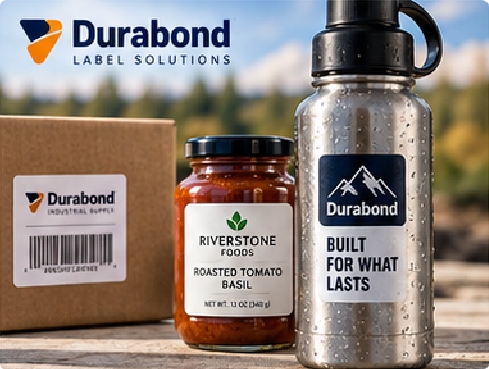
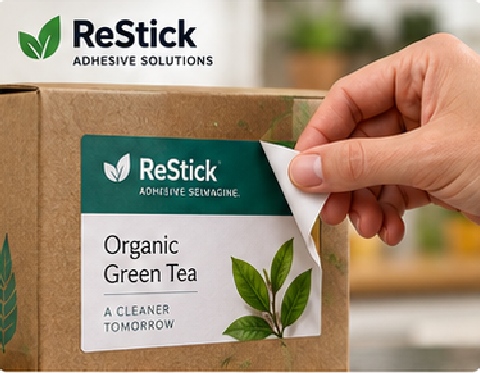
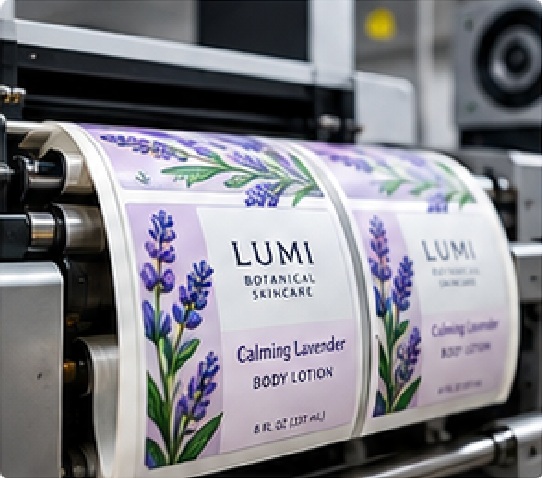
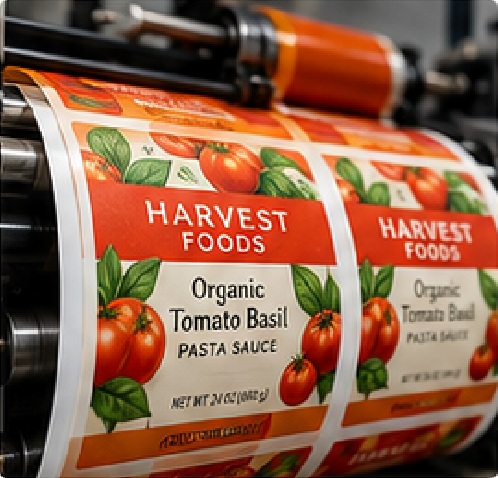
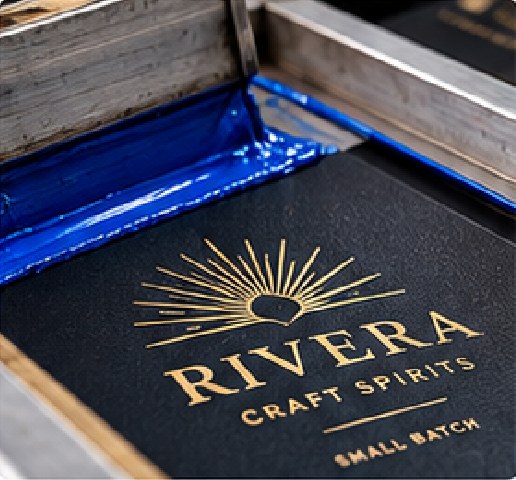

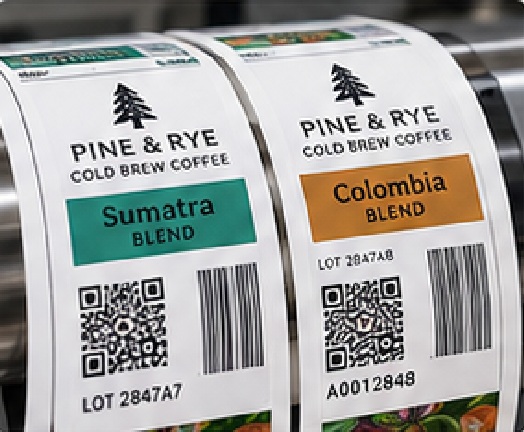

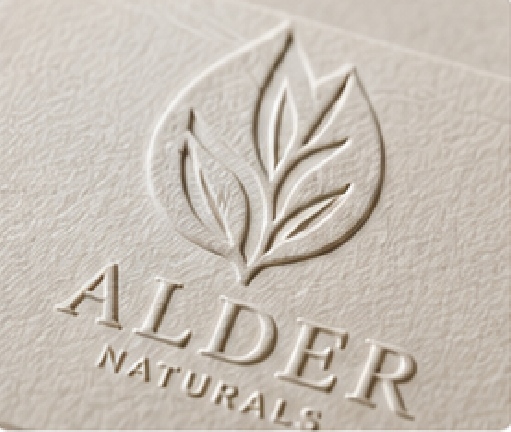

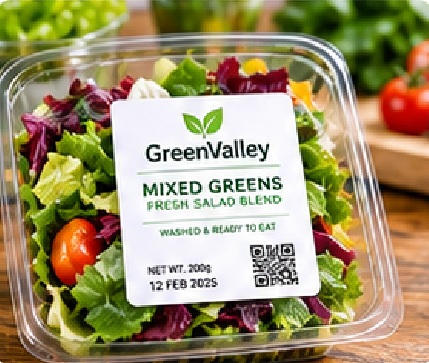

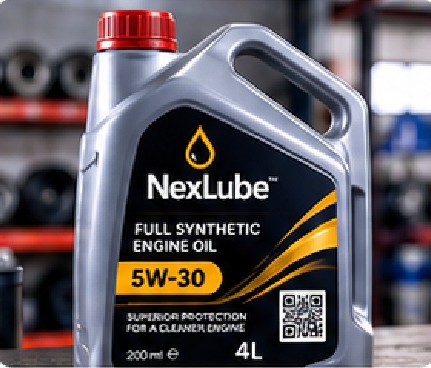
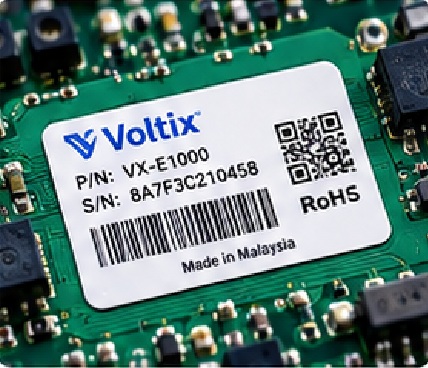
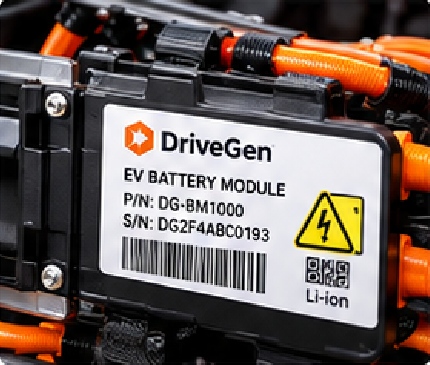
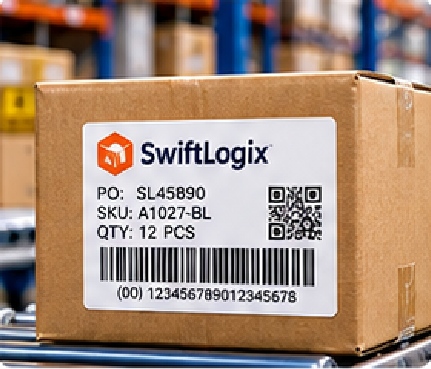

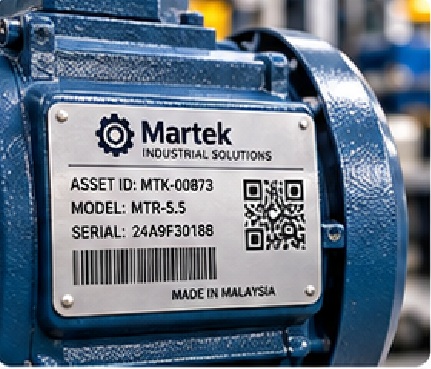
Sampling is an approval stage, not a decorative mockup step. A blank material sample can isolate adhesive and surface compatibility. A digital sample can confirm layout, size and general appearance. A production-intent sample can bring the intended material, printing, finishing and converting route closer to bulk conditions. Functional projects may add adhesion, freezer, chemical, barcode, tamper or RFID verification according to risk. Sample methods can differ from final production when the bulk route requires high setup cost, dedicated plates, tooling or special materials; known differences should be disclosed during approval. The approved artwork version, size, material, adhesive, color target, finishing and relevant roll configuration become the production reference.
Production starts after the commercial order is confirmed, artwork/specification is approved and required material or tooling is available. Material identity and incoming condition are checked before release. Printing follows the approved artwork, color target and process route. Finishing such as white ink, varnish, lamination, foil or embossing is coordinated with the substrate and functional requirements instead of being added only for appearance. Die cutting then controls the finished geometry, gap and liner relationship needed for dispensing or manual handling. Philiton’s manufacturing system covers artwork/prepress, digital printing, flexographic and other label printing, screen and UV processes, variable data, specialty finishing, die cutting, slitting/rewinding, smart-label processing, inspection, laboratory testing and packing. The broader factory and operating footprint exceeds 12,000 ㎡ across Shenzhen and Dongguan, with more than 200 employees.
| Function / Risk | What Philiton Can Check or Coordinate | What the Result Actually Tells You |
|---|---|---|
| Print and die-cut quality | Visual inspection, dimensional checks, registration and defect review | Whether the manufactured label matches visual and converting requirements |
| Adhesion / edge lift | Application on actual or representative substrate; peel/tack/holding methods as applicable | Whether the chosen structure bonds and holds under the defined condition |
| Freezer / low temperature | Application-temperature and service-temperature evaluation with condensation considered | Whether the construction remains suitable for the specified cold-use route |
| Water / oil / chemical exposure | Defined exposure to the specified liquid or representative condition | Whether print protection, facestock and adhesive remain suitable under the agreed test |
| Barcode / QR | Scanability and project-required verification checks | Whether code size, contrast, quiet zone and print quality support the intended read process |
| Variable data | Source-data, uniqueness, print-batch and reprint verification | Whether visible identifiers are complete, unique and correctly controlled |
| Tamper evidence | Removal test on the intended substrate | Whether VOID transfer, destructibility or seal evidence behaves as specified |
| RFID / NFC | Encoding, read/write and data-matching verification | Whether electronic data is written and readable under the agreed inspection plan; field performance still depends on application environment |
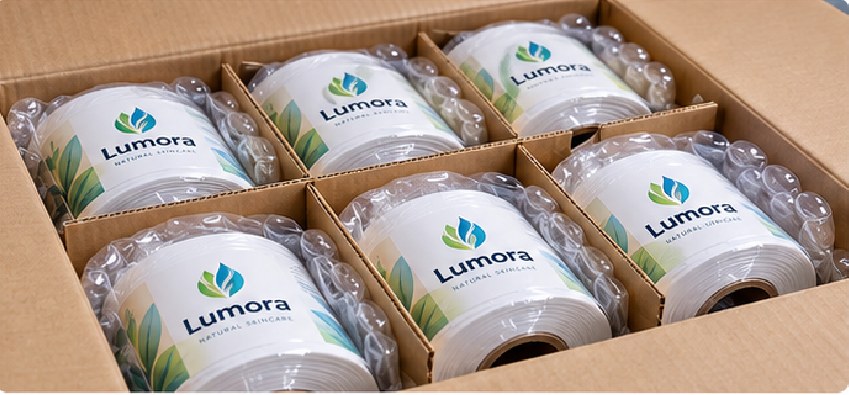
Roll labels are protected against crushing, moisture, telescoping and uncontrolled unwinding. Core, roll diameter, winding direction and labels per roll are confirmed before packing where line compatibility matters. Roll and carton identification can include SKU, quantity, batch or other agreed information so warehouse and production teams can distinguish multiple versions without opening every package.
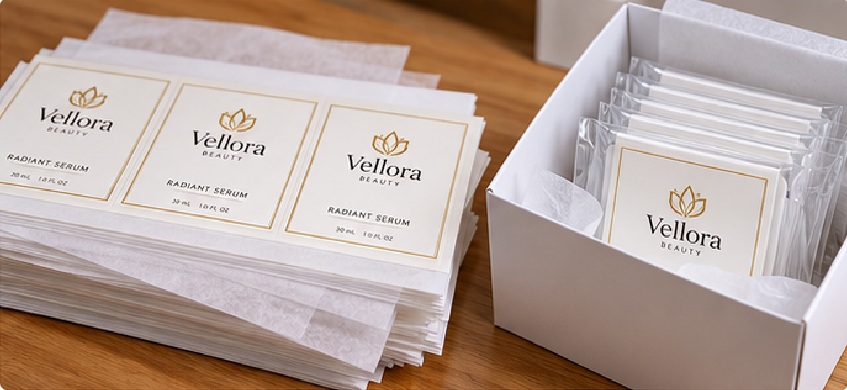
Sheet and individual labels are packed to control bending, abrasion, contamination and mixed-SKU errors. Quantity per pack, inner protection and carton arrangement are set according to label size, finish and handling risk. Holographic, high-gloss, delicate security or scratch-layer surfaces may need more separation or protection than basic paper labels.
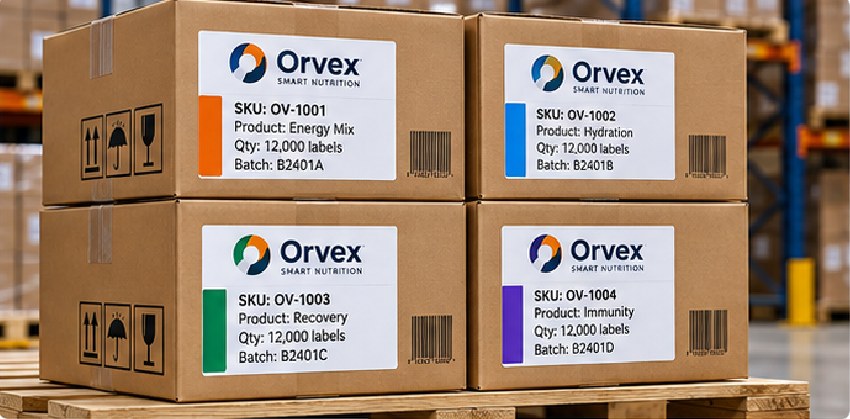
Several SKUs can be combined in one shipment when each SKU remains separately identified and quantities are controlled. Mixed-carton or pallet rules can be created around warehouse receiving requirements. For variable-data programs, roll or pack identification can also support sequence and batch traceability so unique-code groups are not mixed during distribution.
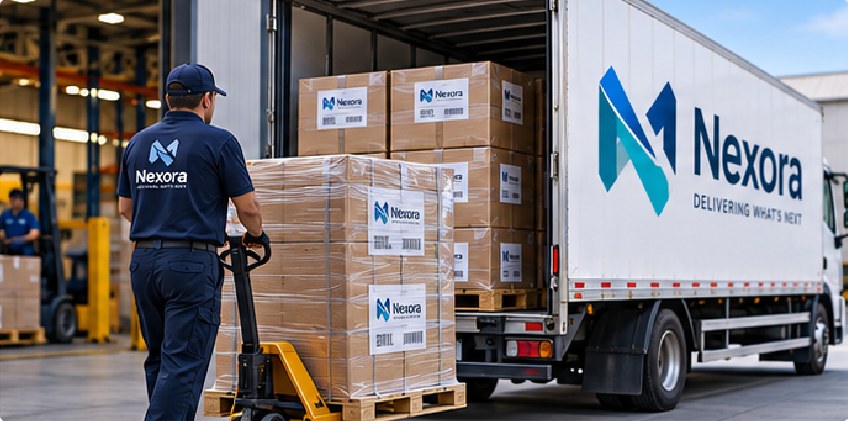
Courier, air and sea shipment can be arranged according to order size, urgency and destination. Direct delivery to a warehouse or fulfillment center can be planned when receiving rules, carton/pallet labels, appointment requirements and customs information are available. Final Incoterm and import responsibility are stated in the quotation rather than assumed from the shipping method.
Philiton records the declared market and use, reviews print feasibility, matches materials and manufacturing controls, produces samples, supports testing, controls approved production parameters and keeps agreed records. The responsible brand, importer, manufacturer, authorized representative or other legal party confirms market classification, mandatory wording, claims, certification rights and final market-access obligations. Clear responsibility prevents a printing approval from being mistaken for a legal compliance approval.
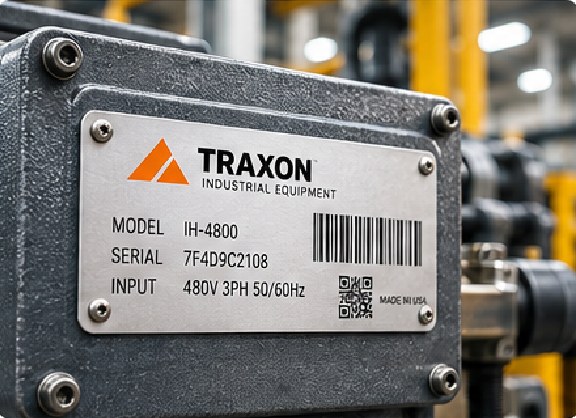
A useful quotation starts with the application, not only a label size. Philiton can review existing specifications, current labels, packaging photos or an early concept and convert the available information into a material, adhesive, printing, finishing, data and verification route. If a technical field is unknown, mark it “please recommend” and provide the real product, surface and environment instead.
For a faster project review, include:
Philiton will first identify missing technical inputs, then recommend the next material, sample or quotation step according to the project.
Our team will answer your inquiries within 12 hours.
Your information will be kept strictly confidential.
We will contact you within 24 Hours, please pay attention to the email with the suffix“@philiton.com”.
For all inquiries, please feel free to reach out at:
We will contact you within 24 Hours, please pay attention to the email with the suffix“@philiton.com”.
For all inquiries, please feel free to reach out at:
We will contact you within 24 Hours, please pay attention to the email with the suffix“@philiton.com”.