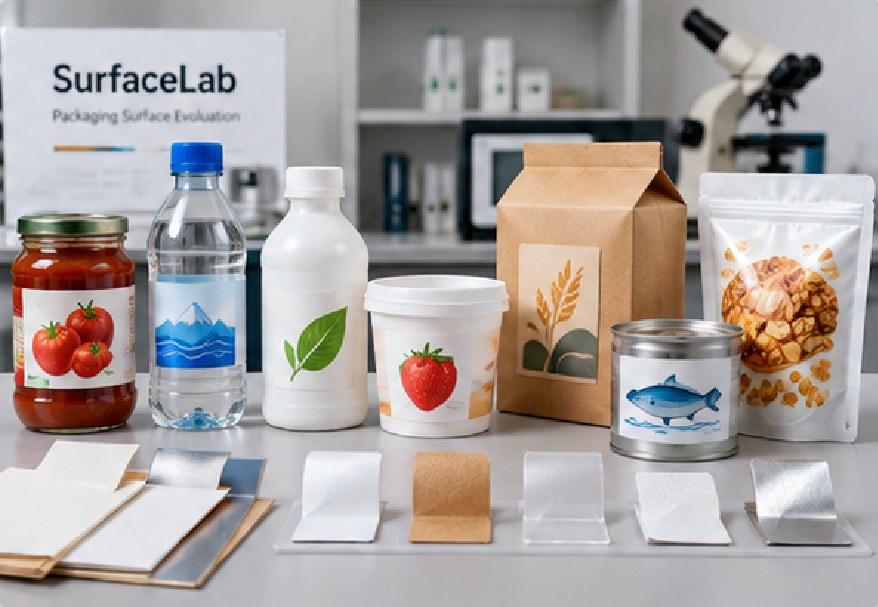
Food labels engineered around packaging surfaces, storage conditions, print requirements, application equipment, and repeat production.
Philiton develops pressure-sensitive food labels from material and adhesive selection through artwork review, printing, finishing, converting, inspection, and shipment preparation.
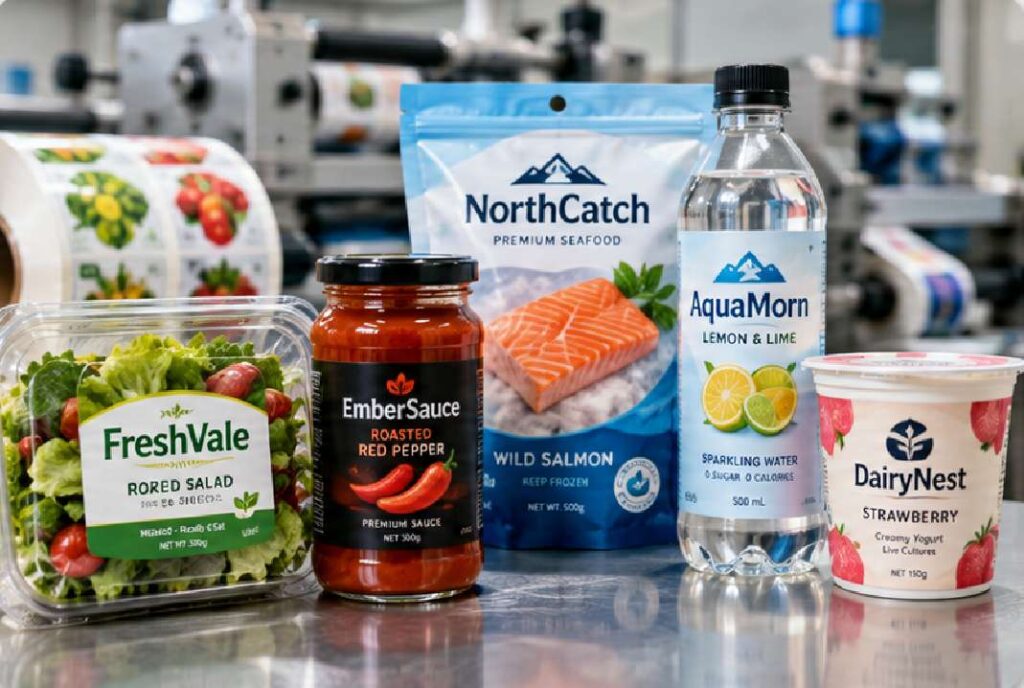
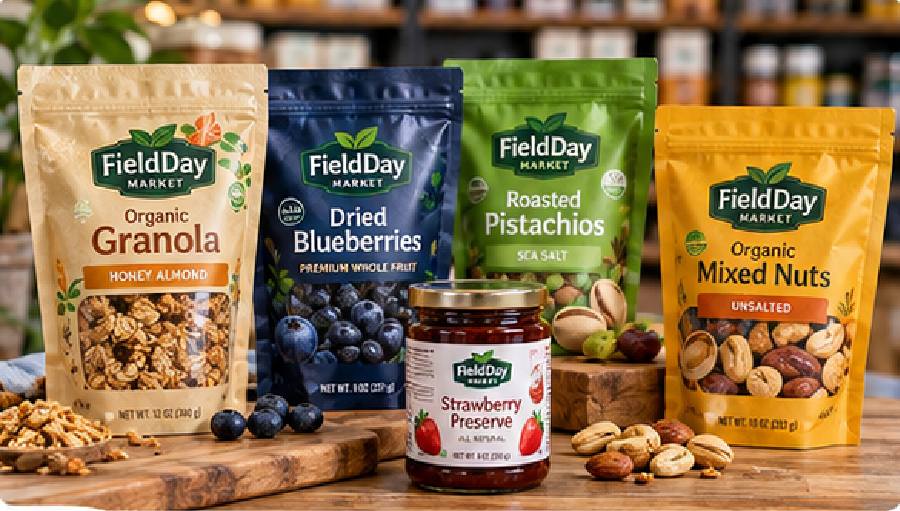
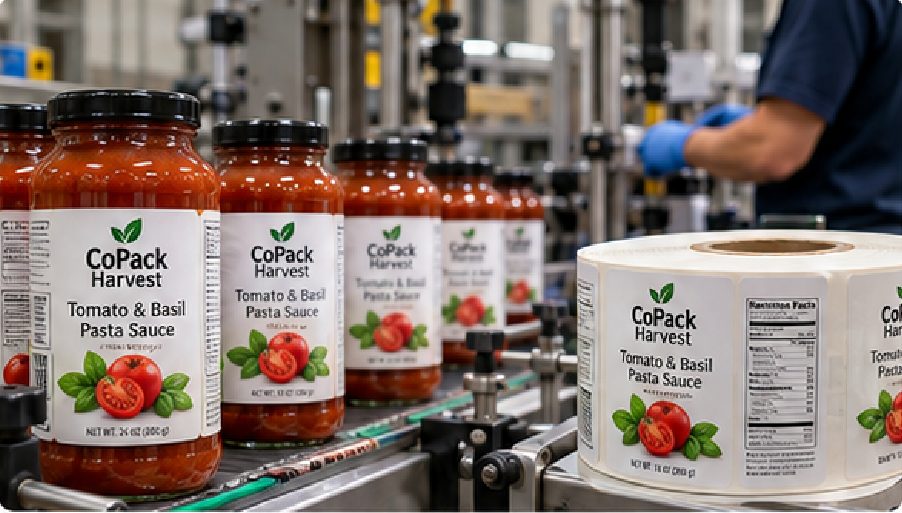
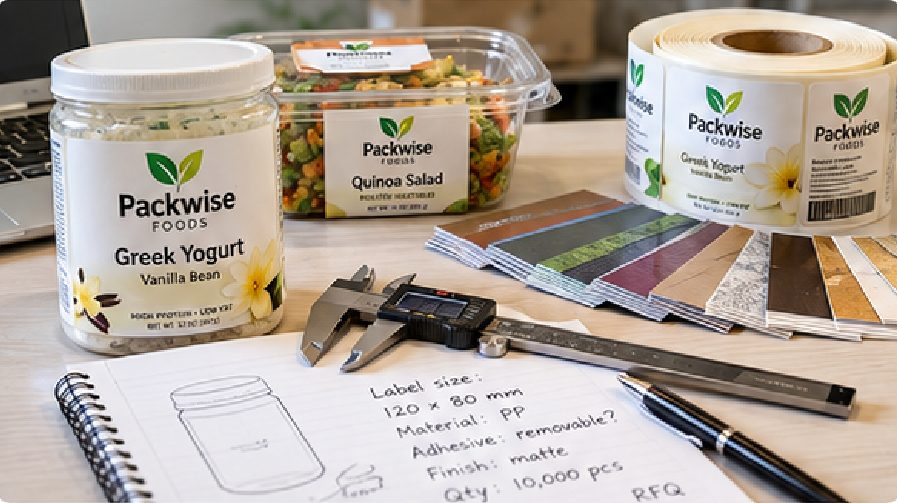
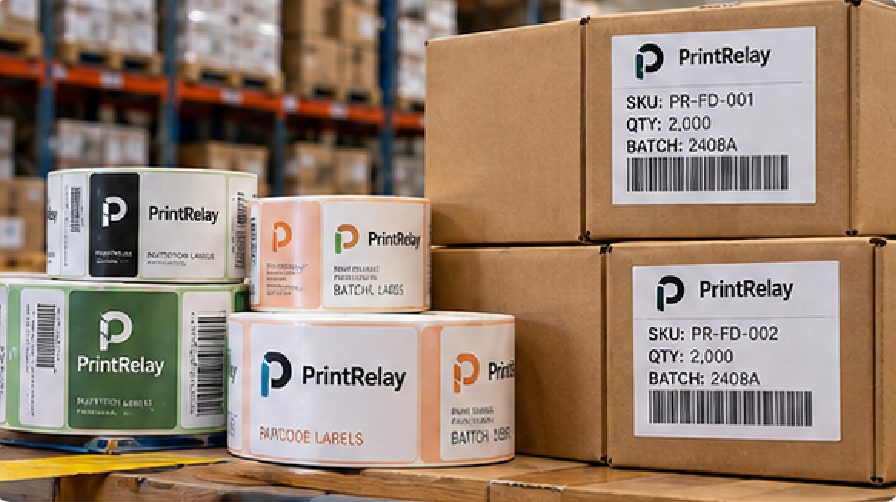
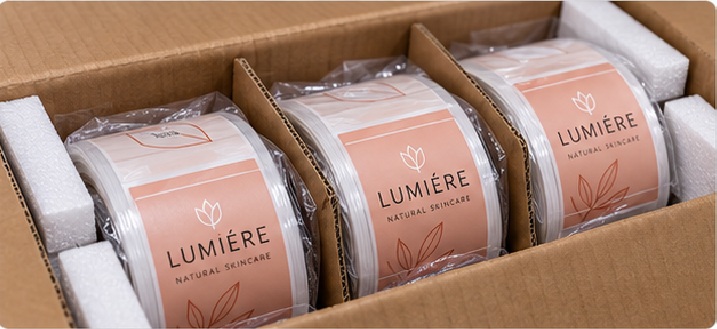
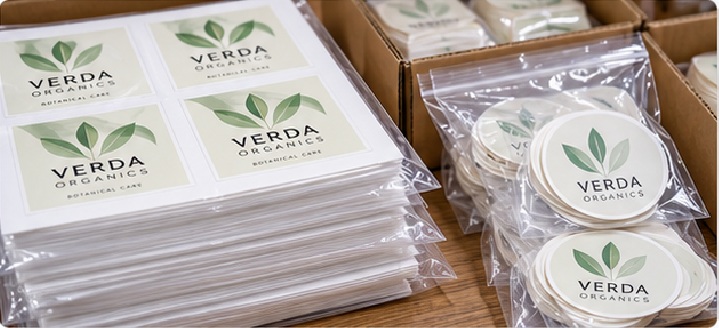
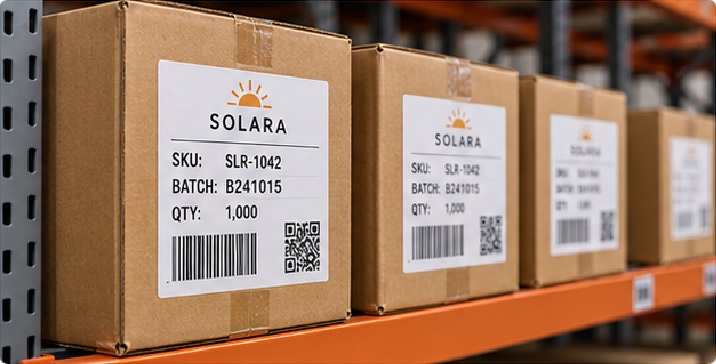
Distributors, packaging companies, and print partners may manage many end accounts while requiring confidential production support. Philiton can work with multiple artworks, private project references, SKU-separated packing, blind or direct shipment arrangements when agreed, and NDA-based development for sensitive launches. Compatible SKUs can also be reviewed for combined production planning when they share materials, dimensions, finishing, and similar delivery timing. Confidential projects can keep end-brand details out of public references while still retaining controlled artwork, production, QC, packing, and shipment records needed for repeat ordering and internal traceability.
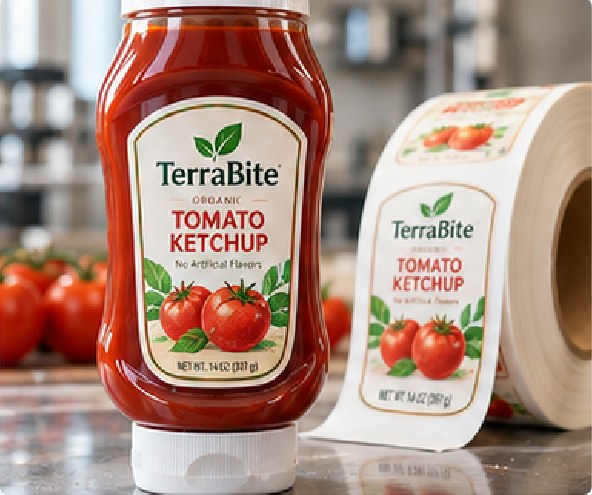
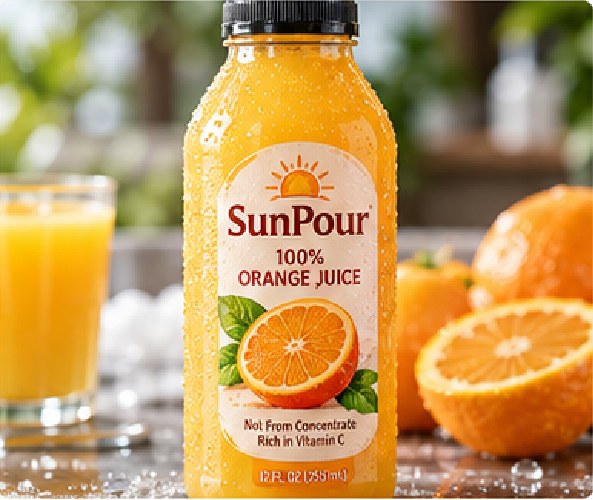
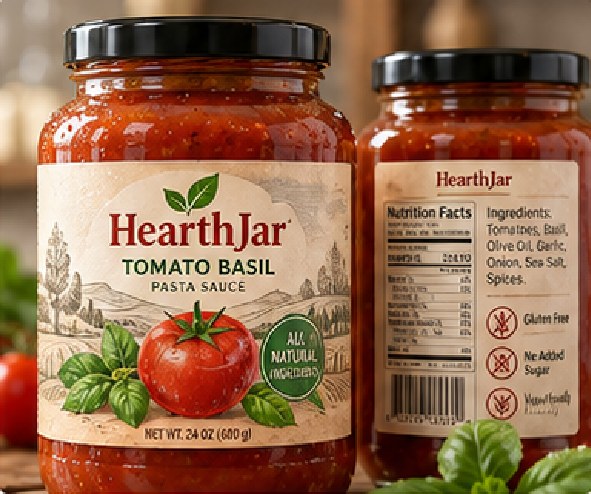
| Application | Surface / Condition | Main Risk | Starting Structure | Validation Focus |
|---|---|---|---|---|
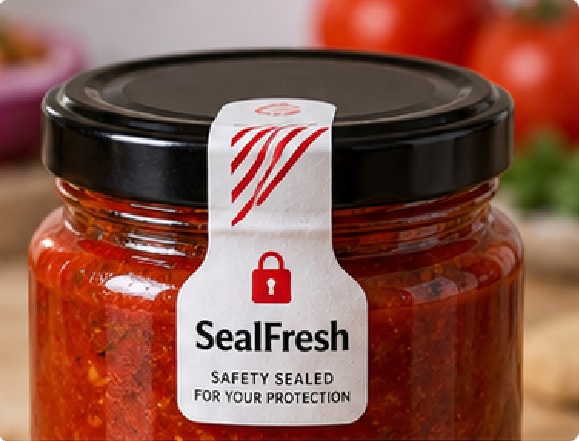
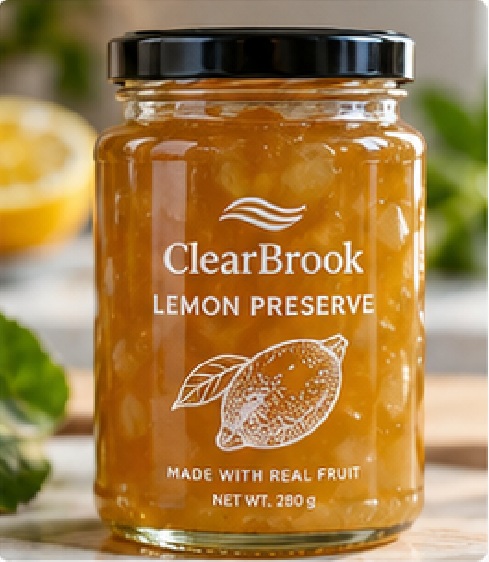
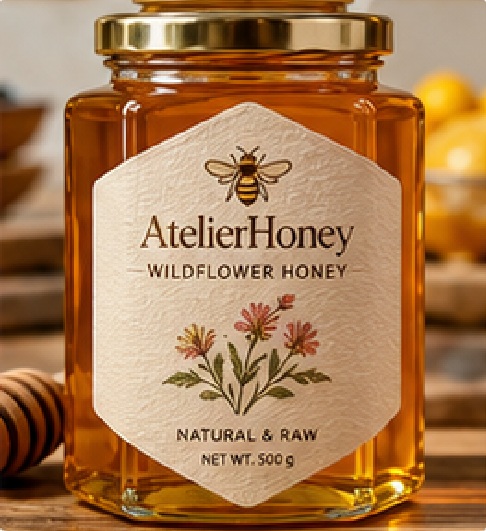
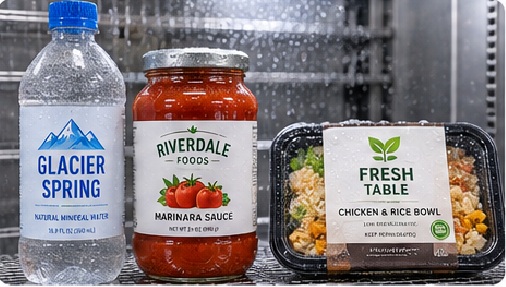
| Glass jars and pantry foods | Glass; ambient or chilled | Condensation, curves, repeated handling | Paper or BOPP + suitable permanent adhesive | Adhesion, wrap, moisture, print rub |
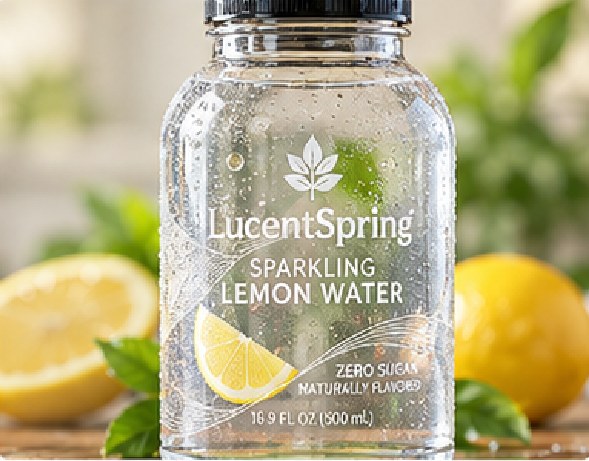
| PET beverage or sauce bottles | PET; clear or colored bottle | Condensation, curvature, visual clarity | White or clear BOPP; selected adhesive | Transparency, white ink, edge lift, label stiffness |
| HDPE / PP condiment containers | Low-surface-energy plastic | Poor wet-out, oil, curvature | Film + adhesive selected for LSE plastic | Actual-container adhesion and edge-lift test |
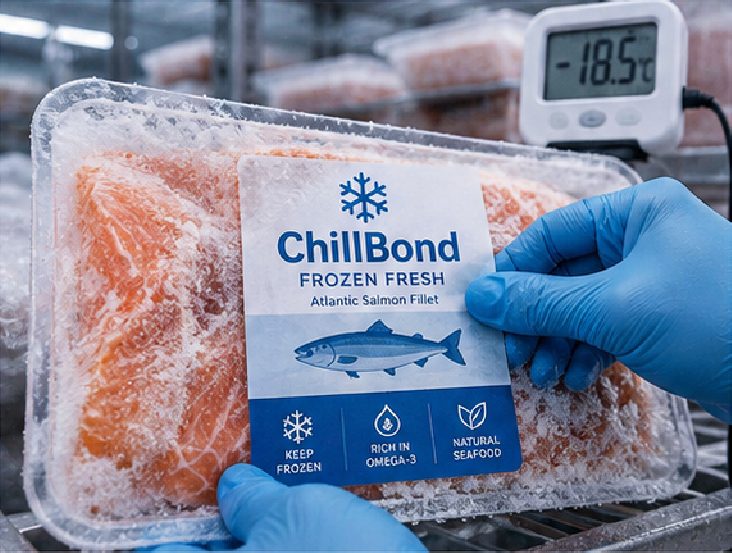
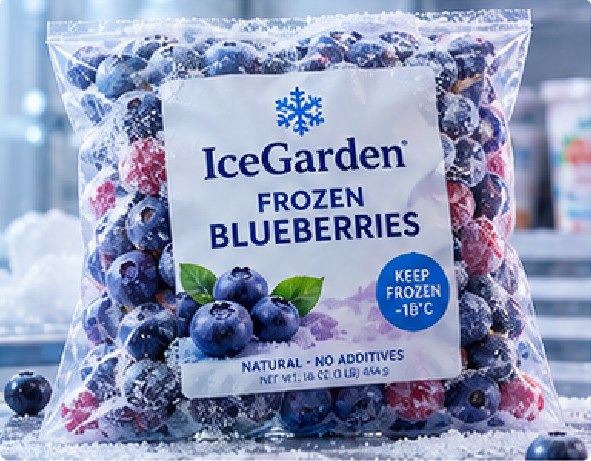
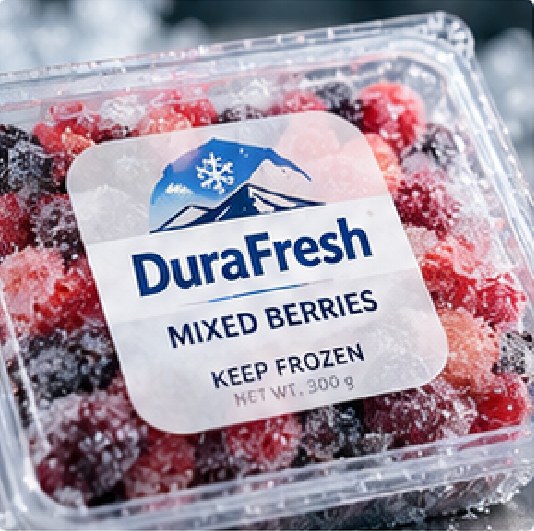
| Frozen meals / frozen pouches | Cold storage; possible cold application | Low application temperature, condensation | Film or protected paper + cold-service adhesive route | Application temperature and freezer service test |
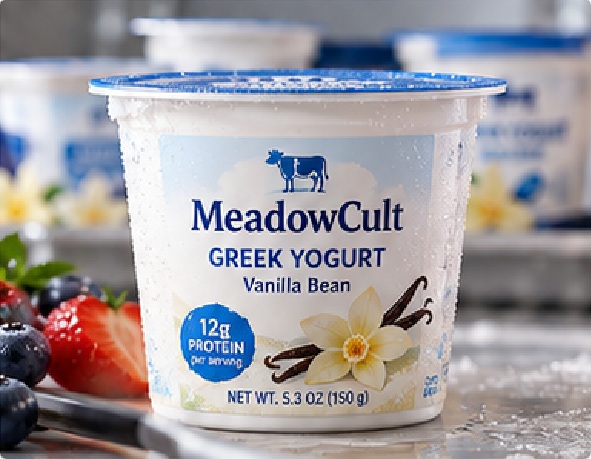
| Refrigerated dairy cups | Chilled, humid handling | Moisture, condensation, frequent contact | Moisture-resistant film or protected paper | Wet handling, adhesive, scuff, roll application |
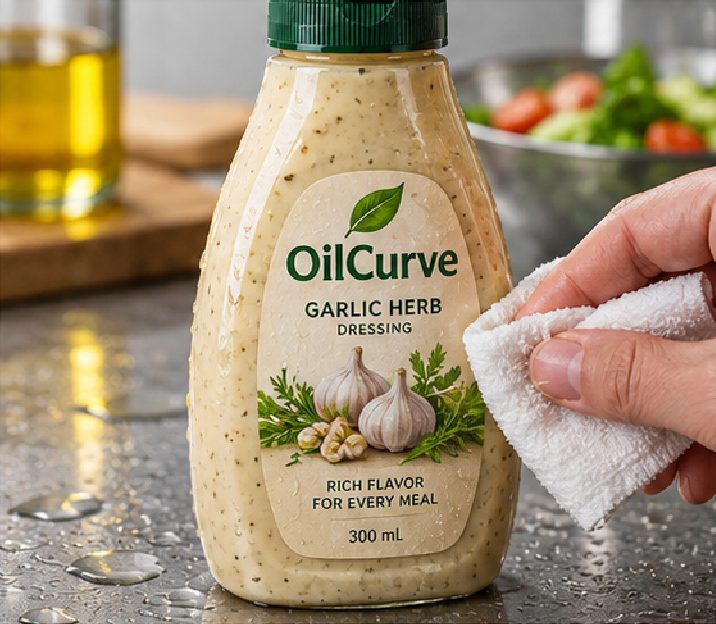
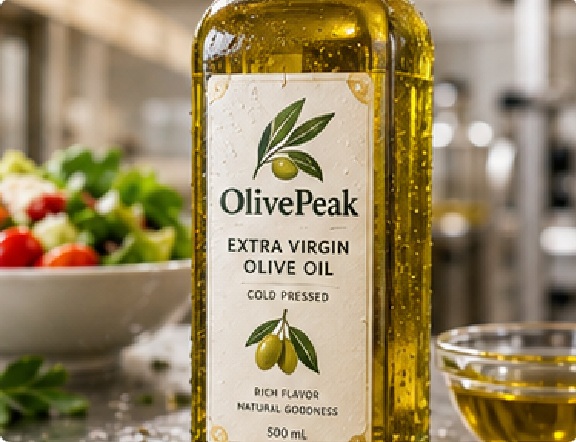
| Oil and dressing bottles | Oil exposure; HDPE, PET, glass | Oil migration, print rub, edge lifting | BOPP/PET + selected adhesive + protective finish | Oil exposure, wipe test, print protection |
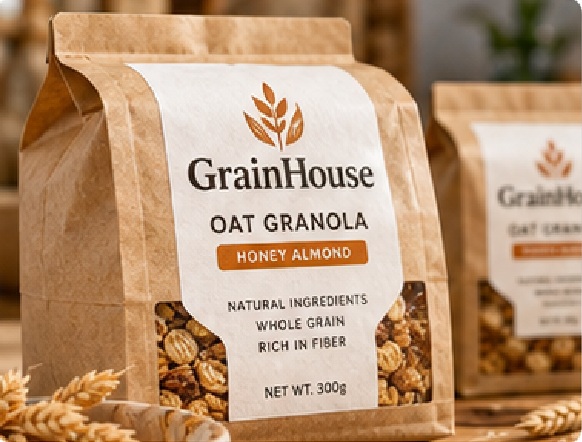
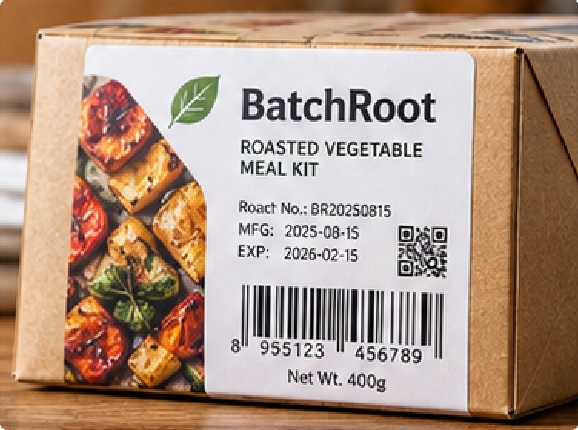
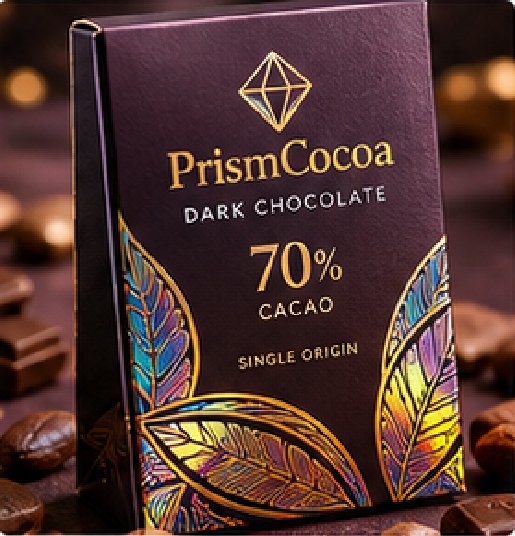
| Dry-food cartons and boxes | Paperboard; ambient | Abrasion, retail handling, recyclability goals | Paper or film according to finish target | Rub, die cut, adhesive, visual match |
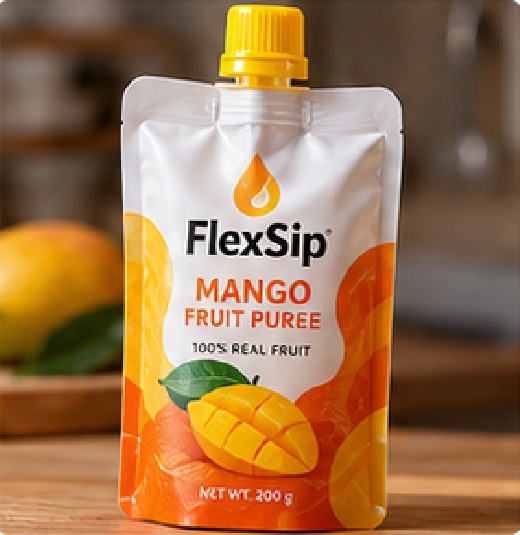
| Flexible food pouches | Flexible film; hand or machine application | Wrinkling, movement, low stiffness | Conformable film + compatible adhesive | Flex movement, bubble/wrinkle, adhesion |
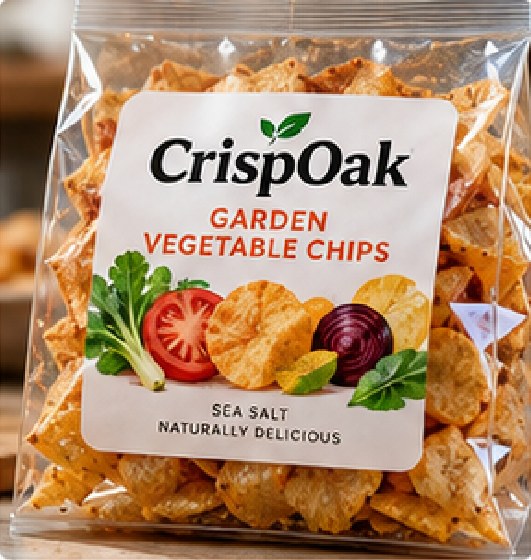
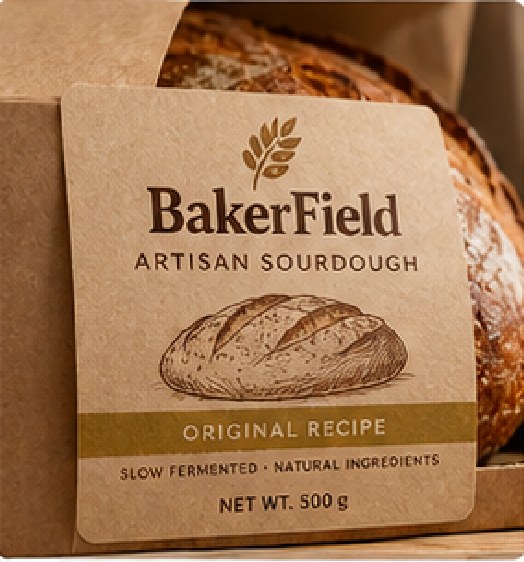
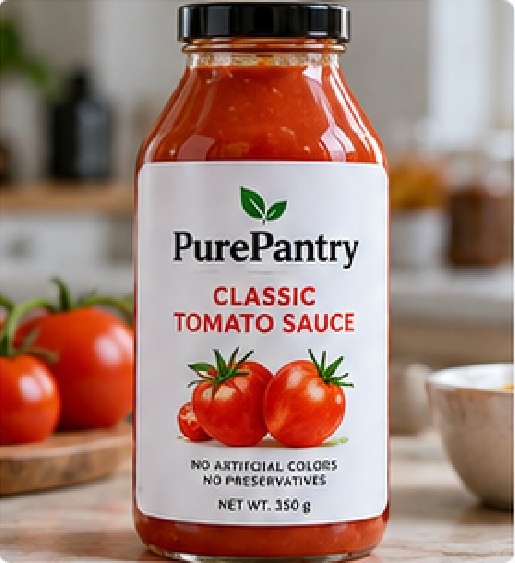
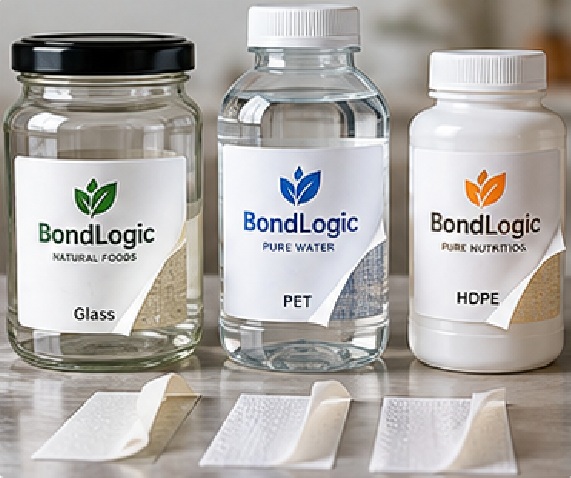
Adhesion problems usually come from a combination of package material, surface condition, geometry, temperature, application pressure, dwell time, moisture, oil, and storage environment rather than one strong or weak adhesive.
Glass, PET, HDPE, PP, coated paperboard, flexible film, metal, and textured containers do not present the same bonding conditions. HDPE and PP are common examples of low-surface-energy plastics: a general-purpose adhesive may not wet the surface sufficiently, especially when the bottle is curved or the label is relatively stiff. Surface treatments, mold-release residue, oil, dust, moisture, and cleaning chemicals can change results again.
Philiton therefore asks for the actual package material and, for demanding programs, prefers an empty container or representative substrate rather than relying on a packaging photo. Label geometry is reviewed at the same time. A narrow wraparound label, a short front label, and a large label crossing a shoulder radius create different edge stress. Facestock stiffness and adhesive are selected together so one improvement does not create a new problem elsewhere.
For initial development, Philiton can compare candidate constructions on the real package and record which route provides acceptable tack, edge stability, removability or permanence, and visual appearance. The approved structure then becomes part of the project specification for repeat production. If the brand later changes the bottle resin, surface treatment, fill temperature, label dimensions, or storage route, the adhesive decision is reviewed again rather than assuming the original approval remains valid under a different application condition.
A frequent source of freezer and refrigerated-label failure is confusing the temperature during application with the temperature during later storage. An adhesive may be suitable for cold service after full bonding but still fail when applied to a wet or very cold package below its minimum application condition. Condensation can create an additional barrier between the adhesive and container.
Philiton reviews when labeling occurs: before filling, after filling, at room temperature, in a chilled room, or directly on a cold package. The review also covers how long the label can dwell before the product reaches refrigeration or freezer storage. For frozen and chilled foods, actual or representative testing is more useful than relying on one generic “freezer adhesive” description.
Sample checks can include
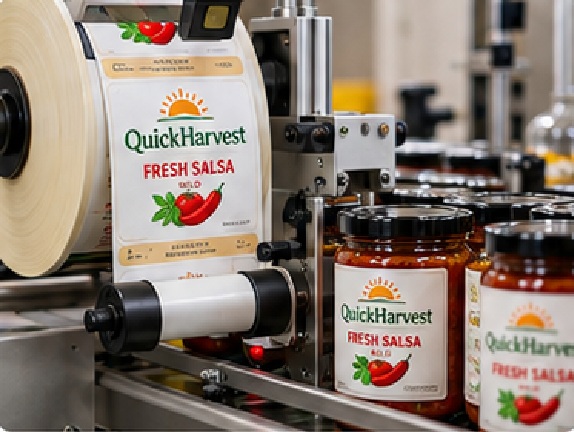
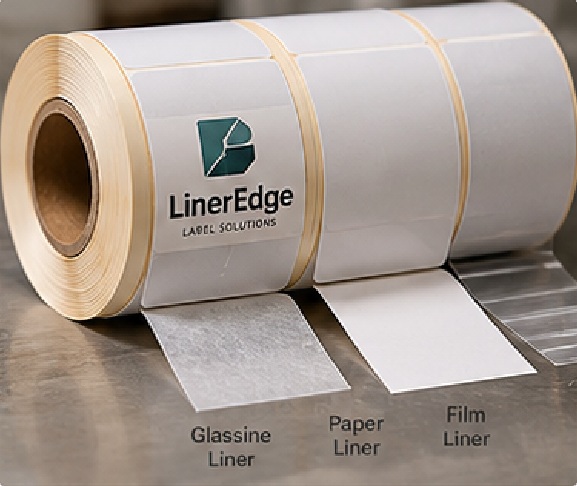
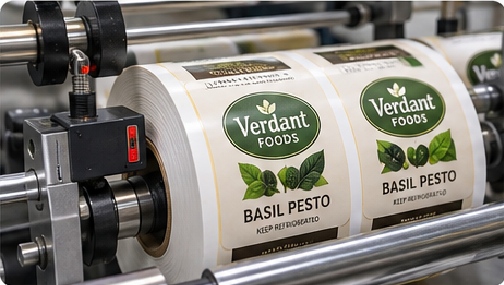
If the packaging line uses automatic application, roll direction, liner release, label stiffness, gap, and application pressure are included because mechanical application can affect bonding as much as the adhesive grade. For programs moving between co-packers or filling sites, Philiton can record the approved application conditions so differences in line temperature, wipe-down practice, dwell time, or applicator setup are visible before a repeat order is released.
Cooking oils, sauces, dressings, condiments, chilled beverages, dairy products, and meal kits may expose labels to oil, water, condensation, refrigeration, wiping, transport abrasion, and repeated handling. These conditions affect both sides of the construction: the adhesive must remain compatible with the container, while the printed surface may need varnish, lamination, or a more durable film.
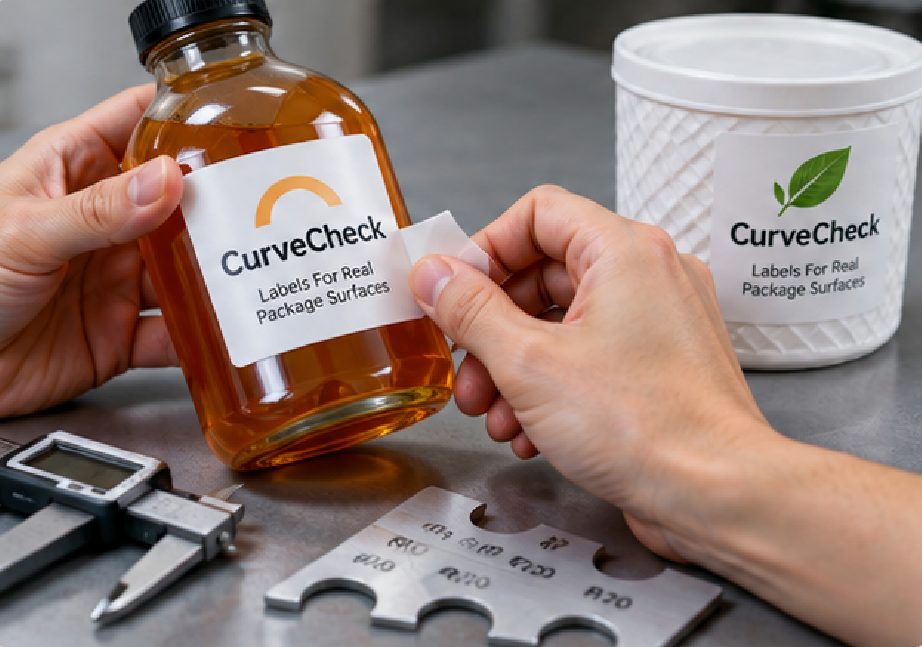
Curved packages create another variable. A label that looks perfect while flat may develop edge lift when wrapped around a small diameter because the facestock continually tries to return to its original shape. Thicker materials, heavy foil or embossing, and large label areas can increase this stress. Philiton can reduce risk through material choice, label geometry, adhesive route, and representative application testing before production.
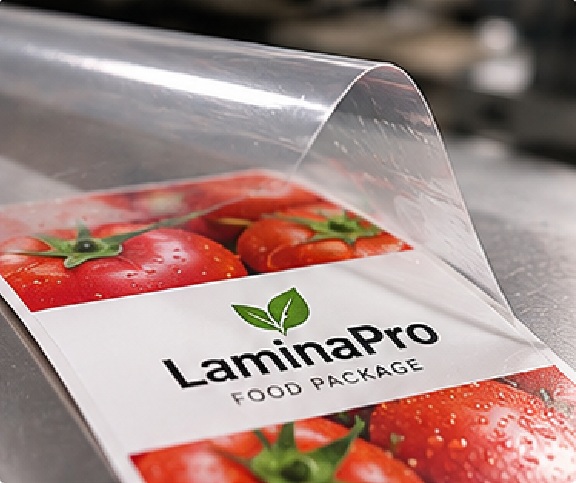
For oil or chemical exposure, performance should be confirmed against the actual product or a representative condition. A material described as durable in one environment should not be treated as universally resistant. The goal is a defined construction with a known package, known exposure, approved sample, and repeatable manufacturing specification. Protective finishing is reviewed separately from adhesive performance: a laminate may improve scuff resistance but also increase stiffness, while a softer film may follow a curve more easily. The final construction therefore balances surface protection, conformability, edge stress, shelf appearance, and converting efficiency as one system.
| Printing Route | Typical Quantity / Fit | Best Use | Main Strength | Key Watchpoint |
|---|---|---|---|---|
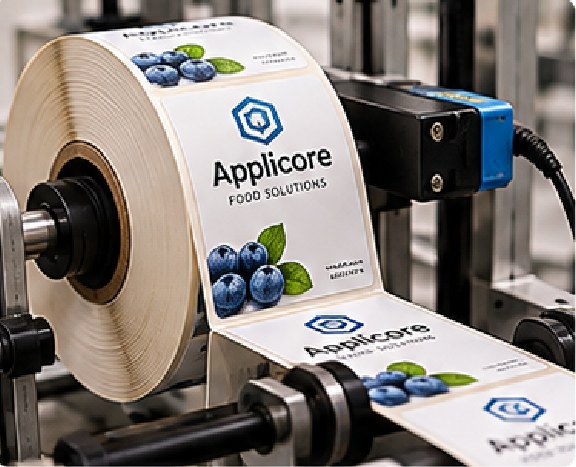
| Digital | About 500-20,000+ pcs/SKU | Launches, multi-SKU, frequent artwork changes | Low setup, fast changeover, complex graphics, variable data | Very large stable runs may have better economics in flexo |
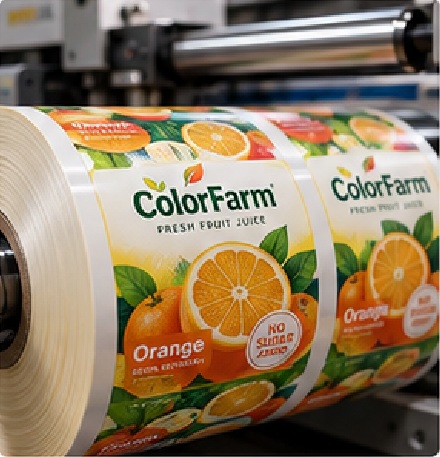
| Flexographic | About 10,000-1,000,000+ pcs depending on structure | Stable repeat volume and roll production | High roll productivity and lower unit cost at scale | Plate, setup, color control, and changeover must be planned |
| Screen | About 500-50,000+ pcs depending on project | Opaque white, thick ink, specialty effects | Strong ink deposit and specialty coverage | Fine detail, drying/curing, and added process steps |
| UV Printing | About 500-100,000+ pcs depending on construction | Film labels, white ink, varnish, high visual impact | Fast curing and strong print presentation | Material surface treatment and curing compatibility |
| Variable Data | About 500 to millions depending on carrier process | Unique QR, serial, batch, coupon, personalization | Every label can carry controlled unique information | Database accuracy, duplication, omission, and verification rules |
| Hybrid / Combined Route | Project specific | Programs combining digital flexibility with conventional finishing or volume | Balances artwork variety, effect, and production economics | Production sequence and cross-process color/registration control |
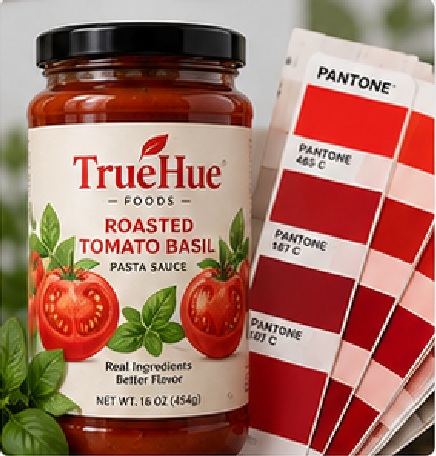
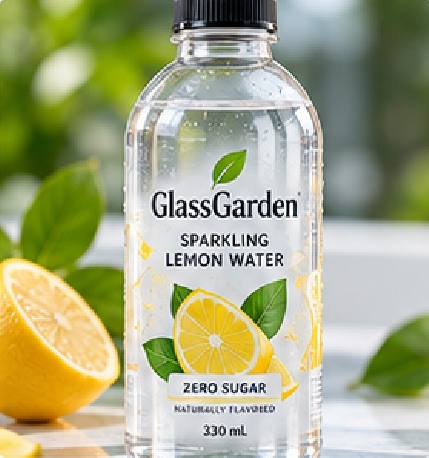
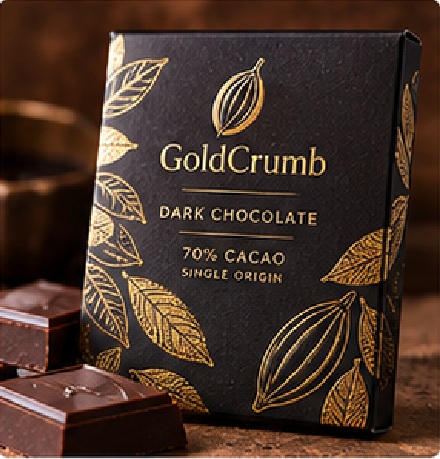
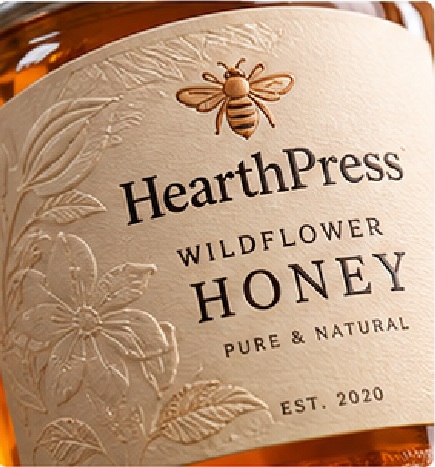
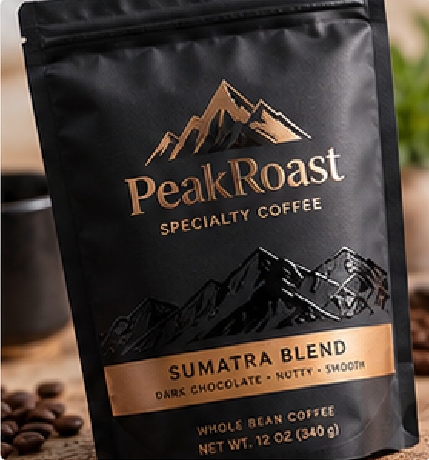
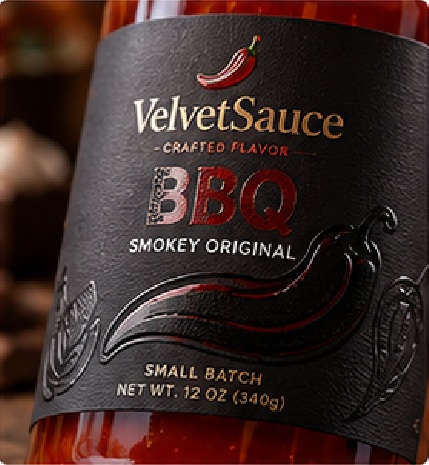
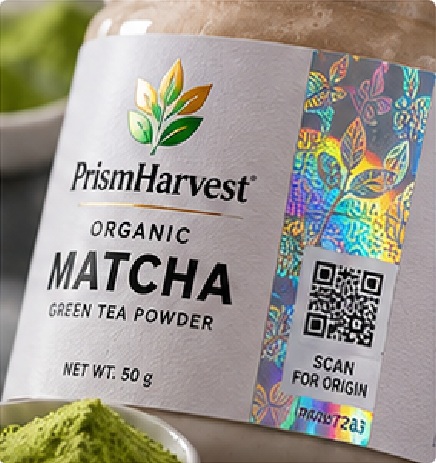
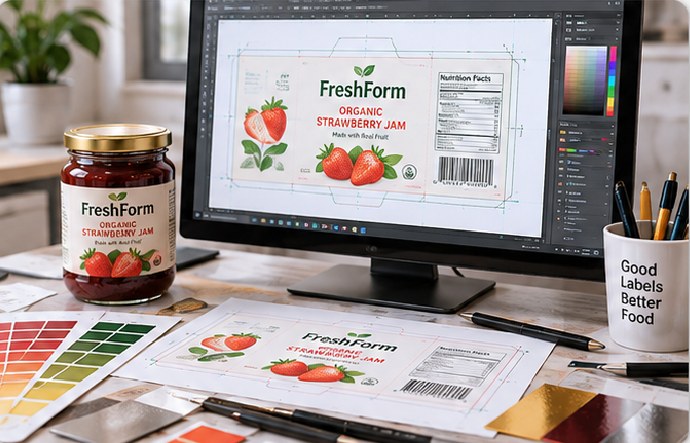
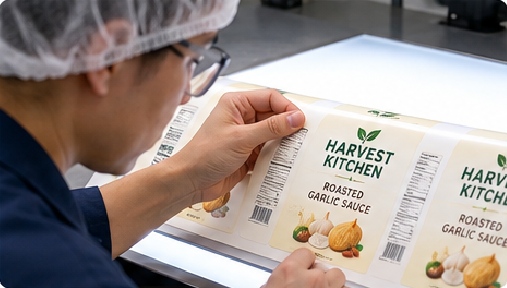
A food label becomes production-ready only after artwork, dieline, color layers, finishing layers, codes, roll requirements, and revision status are translated into a controlled manufacturing file.
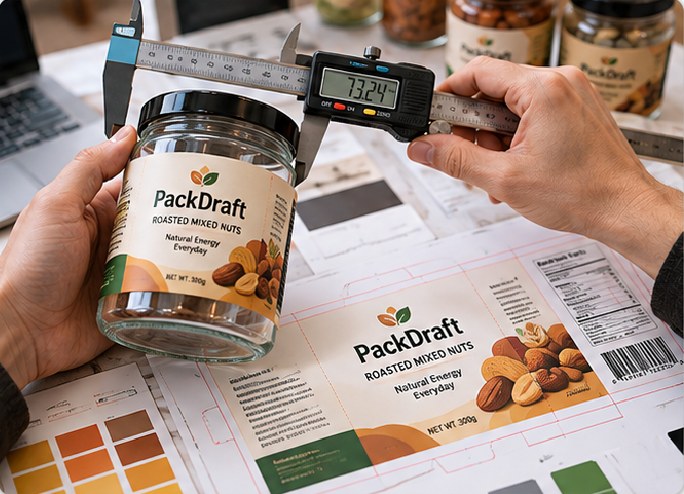
Philiton can begin from AI, PDF, EPS, high-resolution artwork, an existing label reference, or an agreed design file. Prepress checks focus on final size, bleed, safe area, die line, cut path, text and barcode position, white ink layers, foil or varnish masks, and whether the artwork matches the selected label construction. For wrap labels and small-diameter containers, the geometry is reviewed against the actual package so critical information does not fall into a seam, radius, or difficult application zone.
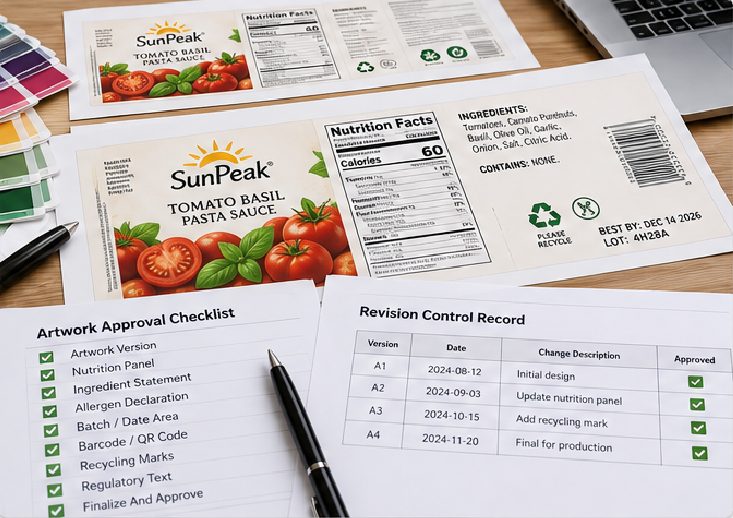
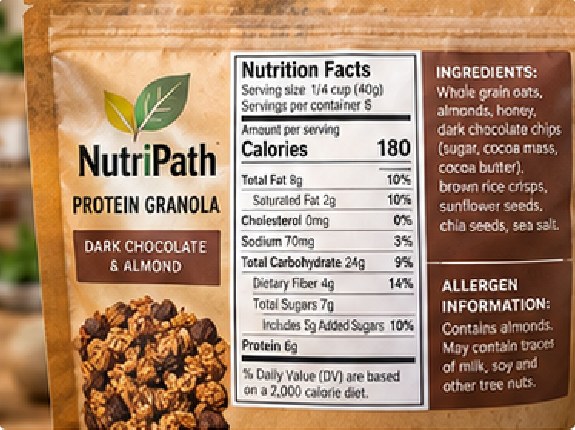
Food packaging often carries more information than a decorative sticker, so space planning matters. Nutrition panels, ingredients, allergen statements, preparation instructions, date or batch areas, barcodes, QR codes, recycling marks, and brand graphics must remain legible inside a fixed label size. Philiton checks print feasibility and positioning but does not rewrite legally required content without approval.
Once the layout is ready, a revision number and approval status should be attached to the artwork. Repeat production uses the approved version, reducing the risk of an old file being printed after a formula, flavor, barcode, or regulatory-text update. Philiton can keep separate artwork references for flavor, size, language, market, or promotional versions while preserving shared structural specifications when the same material and converting route apply across the range.
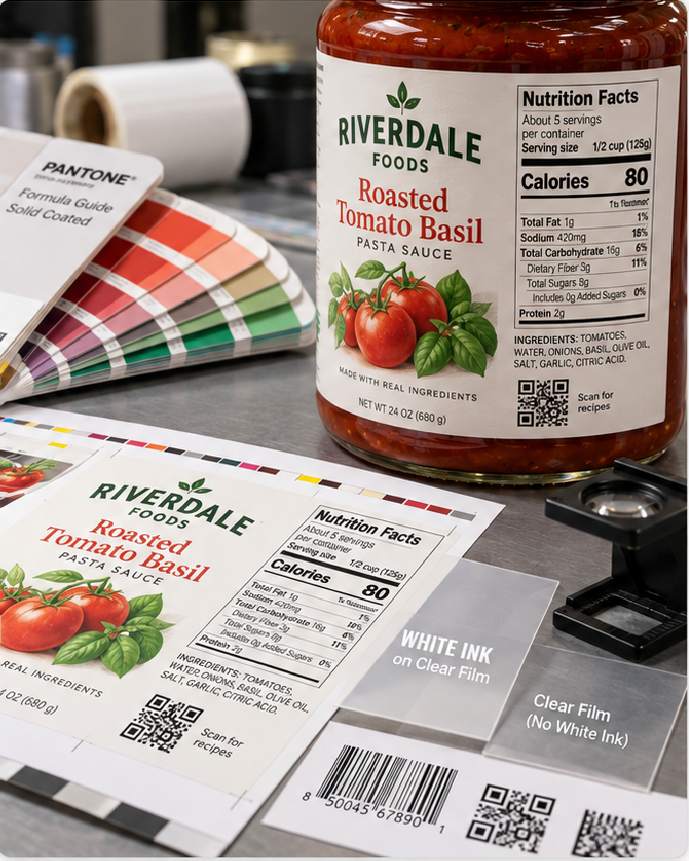
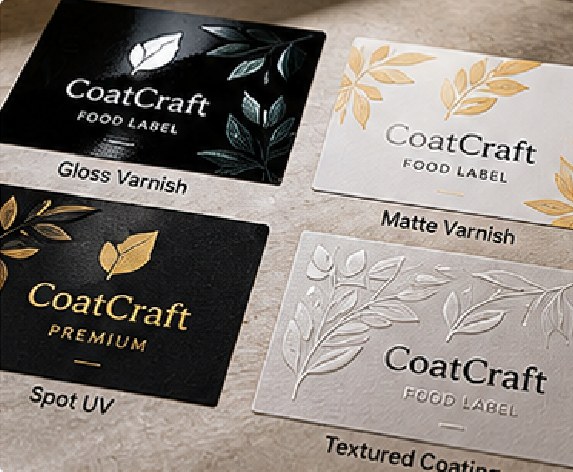
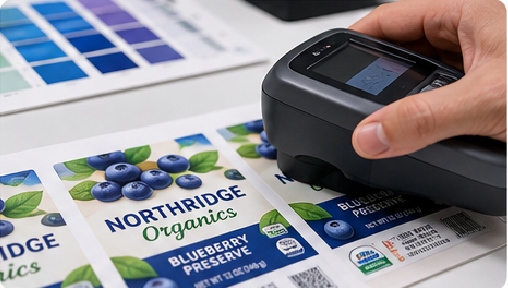
Color planning starts with the facestock. A brand red on white BOPP will not look identical on kraft, clear film, metallic film, or textured paper. White ink can create an opaque base on clear or metallic materials, while transparent areas can be intentionally left open. Philiton separates process color, spot color, white, foil, varnish, emboss, and other production layers so each operation has a controlled file rather than a flattened visual mockup.
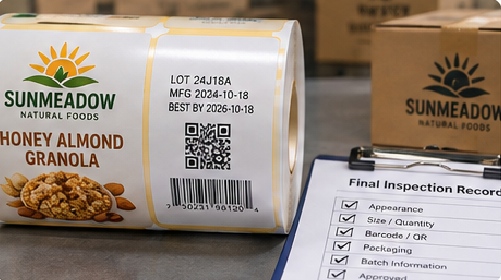
Small text and codes need another level of discipline. Nutrition information, ingredients, batch fields, and regulatory text should use sufficient contrast and printable line weight for the selected process. UPC/EAN barcodes, QR codes, Data Matrix, and variable codes require clean quiet zones, controlled size, suitable contrast, and placement that avoids reflective foil, severe curvature, folds, or heavy texture.
When readability is critical, Philiton can include barcode or QR verification in the project QC route. Phone scanning alone is not treated as the only measure for industrial or retail verification because print gain, bar width, contrast, damage, and code geometry can affect formal results. For variable-data programs, the data source, field structure, sequence, duplicate rules, missing-code handling, and verification method should also be defined before the production file is generated. This keeps graphic approval and data approval as separate controlled steps instead of combining them informally at press time.
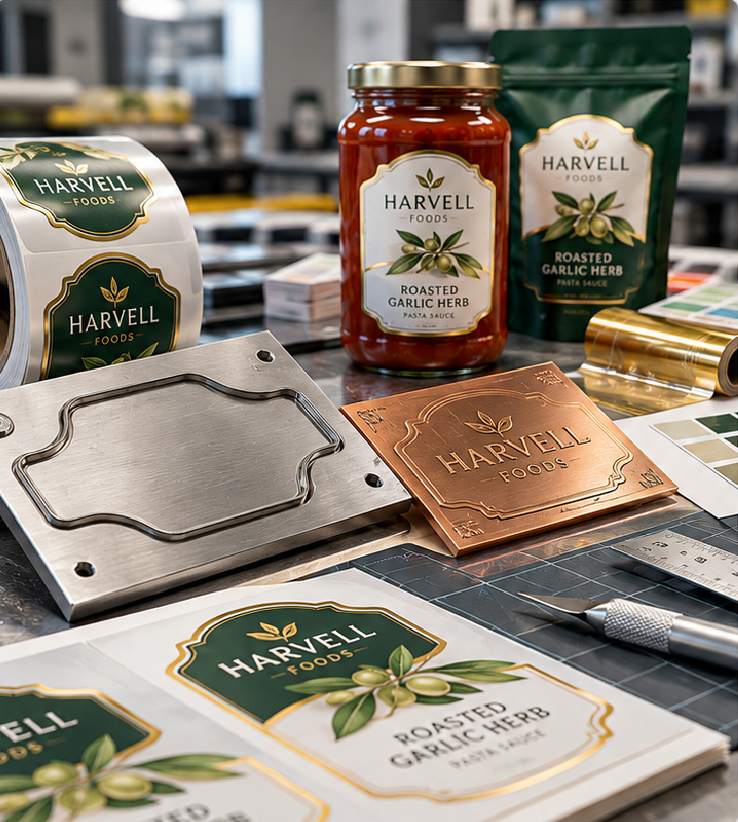
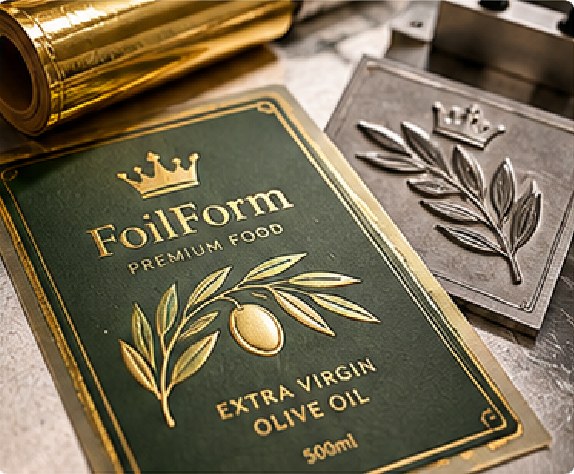
Digital printing usually reduces the need for conventional printing plates and is therefore well suited to early launches, multiple SKUs, and frequent artwork changes. Flexographic production generally requires plates and setup suited to larger or repeat runs. Foil, embossing, debossing, screen effects, custom holographic structures, and special die cutting may require dedicated tools. Philiton reviews whether a tool is necessary before production so setup cost and lead time are visible rather than discovered after artwork approval.
Die cutting is also part of development. Standard shapes may use existing tools when the exact size and construction match; custom shapes or dimensions may require a dedicated die or digital cutting route depending on quantity and process. Tool reuse on repeat orders depends on design stability, tool condition, storage arrangement, and whether the material or production process has changed.
For controlled programs, the approved artwork, selected material, adhesive, color target, dieline, tooling reference, roll specification, packing method, and sample status are locked together. Any later change can then be reviewed as a real engineering change instead of an informal artwork update. This matters when a brand moves from a 1,000-piece launch into tens of thousands of labels: the production process may change, but the approved design intent, label dimensions, critical colors, barcode rules, and application requirements should remain traceable through the scale-up decision.
| Factor | How It Changes The Project | What To Provide For Quotation |
|---|---|---|
| Quantity and SKU count | Higher total volume can improve setup efficiency; many small SKUs increase artwork and changeover control | Quantity per SKU, total quantity, repeat forecast |
| Label size and shape | Material usage, die cutting, web layout, and labels per roll change with geometry | Finished width x height, shape, dieline if available |
| Material and adhesive | Standard stock may support flexible entry quantities; special structures can carry supplier minimums | Package surface, storage condition, material preference |
| Printing and color | Digital, flexo, screen, UV, white ink, spot colors, and coverage create different setup routes | Artwork, color references, white-ink requirement |
| Finishing and tooling | Foil, emboss, special die, holographic, security, or complex finishing can add dedicated setup | Finish map, reference photo or physical sample |
| Roll specification | Core, direction, roll diameter, gap, pitch, and labels per roll can change converting and packing | Applicator details or roll specification |
| Testing and documentation | Application tests, barcode verification, material reports, or third-party testing add defined work | Required acceptance method and target market |
| Delivery requirement | Rush production, split shipment, destination, Incoterm, carton or pallet rules affect the final quotation | Required date, destination, shipment method, receiving rules |
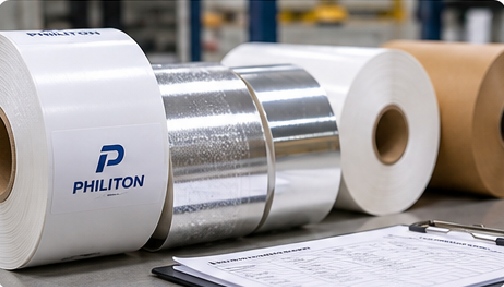
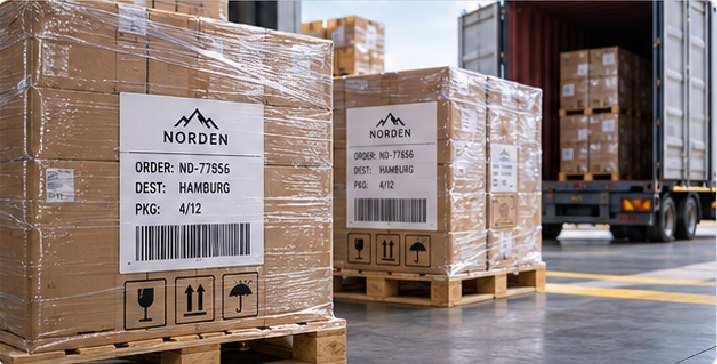
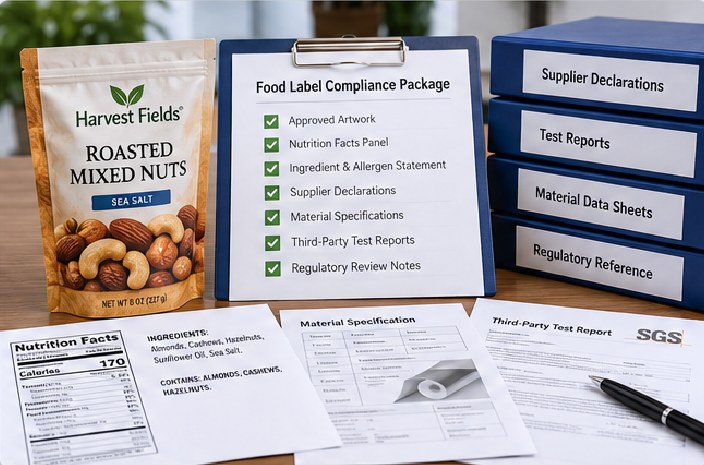
Philiton manufactures to approved specifications and can support material documents, testing, artwork control, and traceability, while market-specific legal content remains the responsibility of the legally responsible product party.
Food labels may carry nutrition information, ingredients, allergen declarations, net quantity, storage instructions, origin statements, claims, preparation directions, lot or date areas, barcodes, recycling marks, and other market-specific content. Philiton can reproduce approved text, control print legibility, manage artwork versions, and check whether the content fits the dieline and printing method. Philiton does not independently determine every legal statement required for a food product in every market.
The brand, manufacturer, importer, distributor, regulatory adviser, or other legally responsible party must confirm the target country, product classification, mandatory wording, translations, claims, nutrition format, warnings, registrations, and permitted certification marks. Certification logos or regulated symbols are printed only from authorized artwork supplied or approved for the project.
This separation protects both sides. Philiton controls what the factory can control – file version, print quality, material, finishing, code quality, converting, packing, and repeat production. The product-responsible party controls the legal meaning and market eligibility of the food information. Any artwork change after approval should trigger a revision review before the next production batch. When one product range has several flavors, sizes, languages, or market versions, each approved file should keep its own revision identity even if the physical label construction is shared. This prevents a legally correct design for one SKU from being mixed with another during production or replenishment.
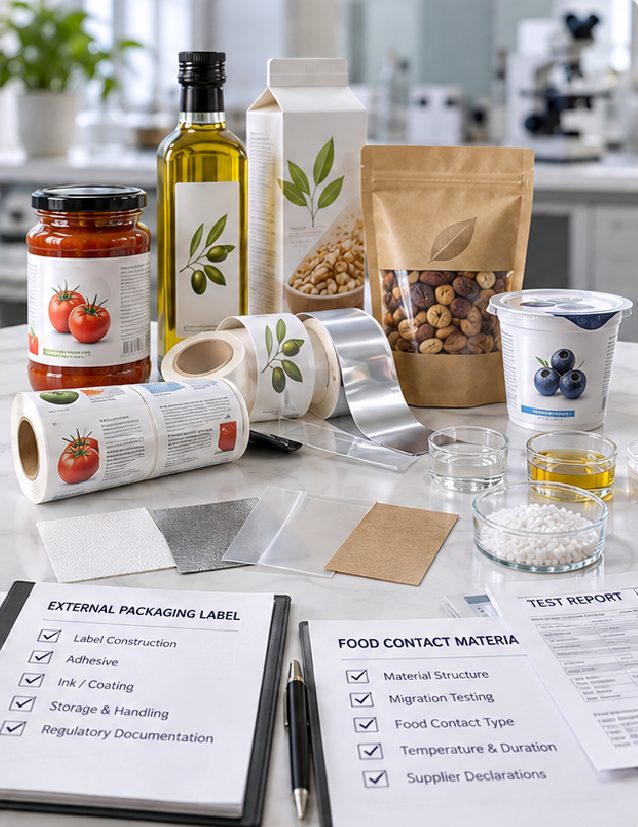
A pressure-sensitive label applied to the outside of a bottle, jar, carton, pouch, or tray does not automatically have the same regulatory profile as a material intended to touch food directly. Food-contact requirements depend on the exact contact type, material structure, adhesive, ink or coating position, migration pathway, temperature, duration, food type, and destination market.
Philiton therefore does not use a blanket phrase such as “all food labels are FDA certified” or “all materials are food grade.” For external packaging labels, the construction is selected for the package surface, storage environment, handling, and any documentation requirement specified by the project. If direct or indirect food-contact performance is required, the exact construction and legal basis must be defined and supported by relevant supplier documentation or third-party testing.
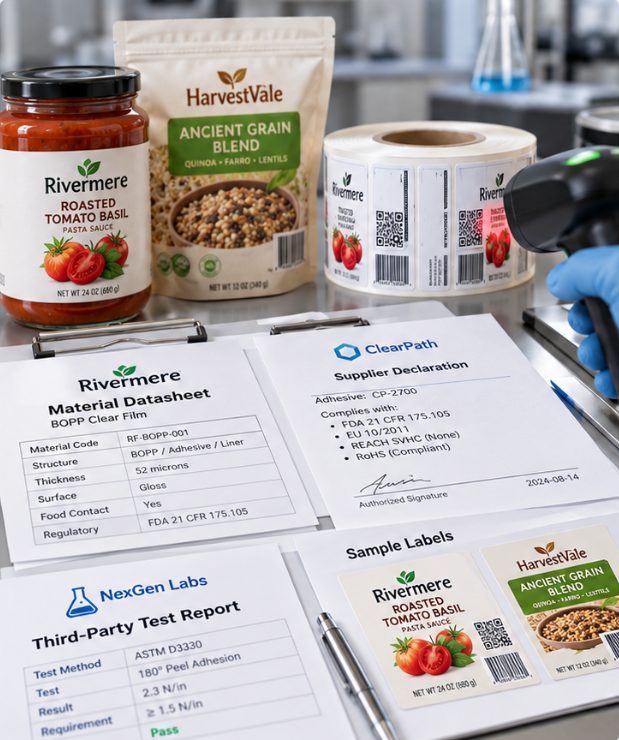
The same principle applies to environmental or chemical compliance. RoHS, REACH, heavy metals, California Proposition 65, and other requirements are handled according to material, product use, destination, and requested evidence rather than treated as universal factory certificates. If a retailer, importer, or brand has its own restricted-substance list, declaration format, or food-packaging requirement, Philiton can review the requested evidence against the exact label construction. The relevant material supplier or third-party laboratory may then provide the document or test needed for the defined project instead of relying on a generic statement.
Philiton can support material data, supplier declarations, third-party testing, sample preparation, barcode or QR verification, adhesion checks, durability checks, and other project documents when specified. A report is only meaningful for the material, sample, method, and acceptance limit it actually covers. Changing paper, film, adhesive, ink, laminate, supplier, RFID inlay, or end use may require a new review instead of automatically extending an old report.
For repeat orders, keeping the approved artwork, material structure, tooling, color target, roll specification, packing method, and testing requirement under revision control helps maintain traceability. Large brands can also define their own supplier qualification or quality documents, and Philiton can review which records can be supplied for the program.
ISO, FSC, UL, IATF, BSCI/SMETA, GRS, or similar certification claims are not inserted into a food-label project unless current, applicable evidence has been verified. Accuracy is more useful than a long row of unqualified certification logos when a procurement or quality team is evaluating manufacturing risk. If a program requires a specific certificate, test report, audit record, chain-of-custody statement, or supplier declaration, Philiton reviews the exact document and applicable scope before it is referenced in artwork, quotation, or supply documentation. Records should also be tied to the approved material or supplier reference wherever possible, because changing an adhesive, facestock, laminate, or other component can change the evidence basis. For long-running food programs, a destination-market, formula, package-material, or legal change should trigger another documentation review before the next batch is treated as an unchanged repeat order.
Philiton operates manufacturing in Shenzhen and Dongguan with a combined manufacturing and operating footprint exceeding 12,000 square meters. The setup supports artwork and prepress, multiple printing technologies, specialty finishing, converting, inspection, testing, packing, and shipment preparation. For food label programs, the value is not the floor area alone but the ability to connect short-run development and repeat-volume production inside one managed manufacturing system.
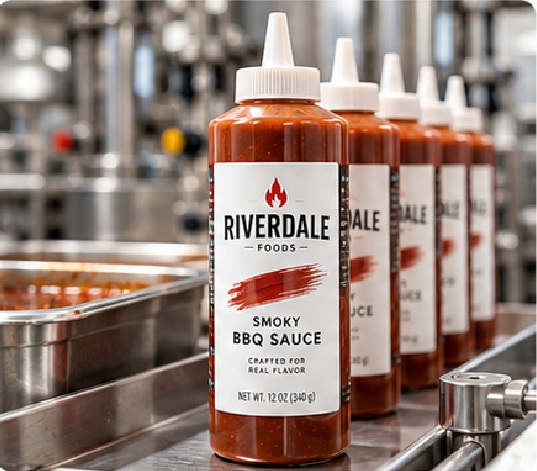
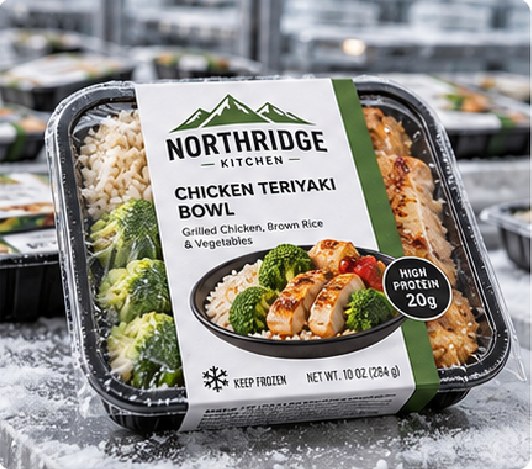
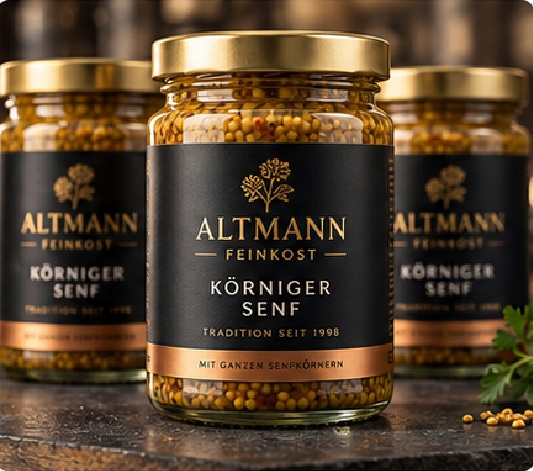
A useful food label quotation starts with the package and operating conditions, not only a logo file. Send Philiton enough information to define the facestock, adhesive, print route, finishing, roll format, testing needs, and production quantity without repeated guessing. If a material or adhesive has not been selected, provide the actual container or describe the surface, storage temperature, moisture or oil exposure, labeling method, and expected use. Philiton can then recommend a development route, identify which points need a sample or application test, and prepare a quotation around the approved specification. For repeat programs, include expected annual volume and SKU structure so digital short runs, flexographic scale production, and replenishment planning can be evaluated together. Include any current label sample, dieline, applicator specification, quality standard, required material declaration, barcode rule, or receiving specification that already exists. These inputs reduce development loops and make the first quotation closer to the production route that will actually be approved. For urgent launches, state which date is fixed – sample approval, packaging-line trial, warehouse receipt, or market launch – so production and transport can be planned around the real deadline rather than a vague request for the fastest delivery.
Our team will answer your inquiries within 12 hours.
Your information will be kept strictly confidential.
We will contact you within 24 Hours, please pay attention to the email with the suffix“@philiton.com”.
For all inquiries, please feel free to reach out at:
We will contact you within 24 Hours, please pay attention to the email with the suffix“@philiton.com”.
For all inquiries, please feel free to reach out at:
We will contact you within 24 Hours, please pay attention to the email with the suffix“@philiton.com”.